Fanny Packs & Belt Bags: The Same Bag, Explained
Few bags have had a glow-up like this one. The fanny pack went from the punchline of '90s fashion to one of the most-carried bags of the last decade — mostly by getting a new name and a new way to wear it. If you're confused about whether a "belt bag," a "fanny pack," a "waist bag," and a "hip pack" are different things (they're not), this guide sorts the naming, shows you how to wear one, and explains why the humble waist bag became genuinely cool again.
Fanny pack, belt bag, waist bag: all the same thing
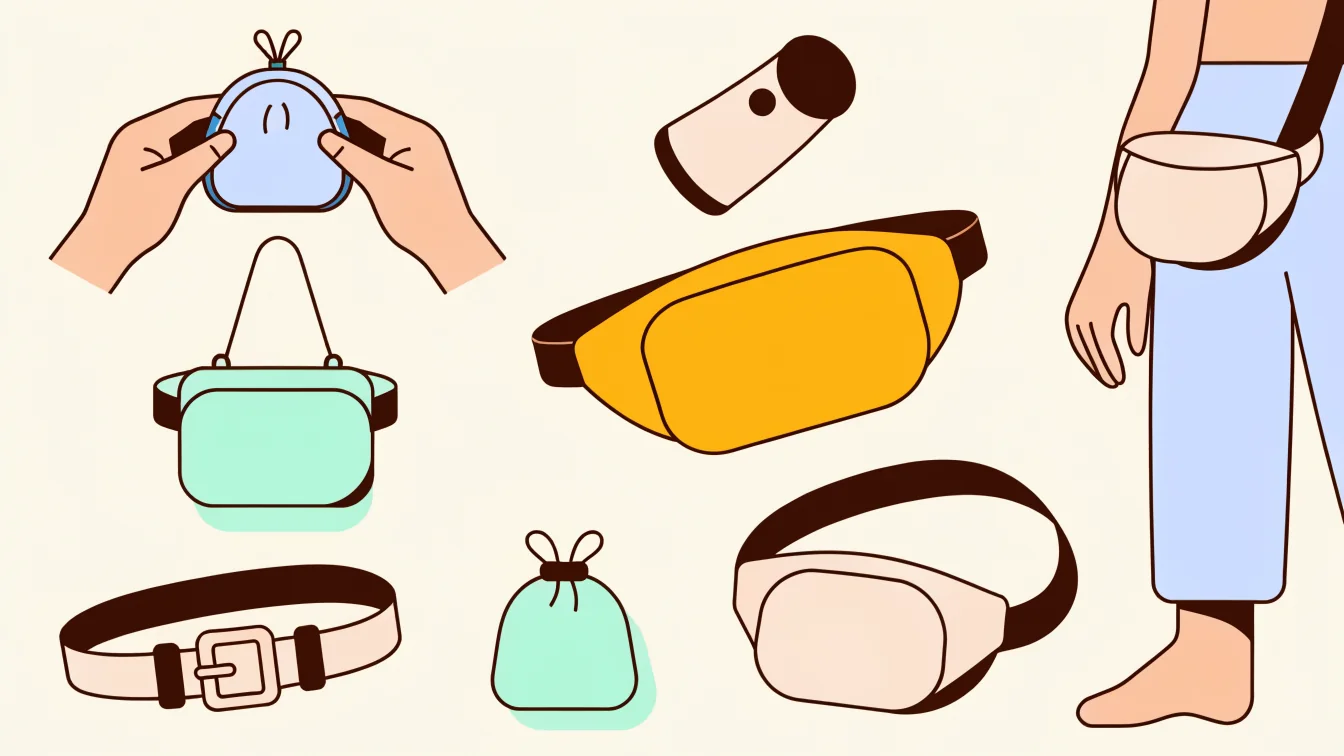
Let's clear this up first, because the names cause real confusion. These all describe the same core item — a small bag on an adjustable strap, worn around the body — just from different eras and contexts:
- Fanny pack — the classic American term, with retro '80s–'90s associations.
- Belt bag — the modern fashion rebrand, which is what revived the category.
- Waist bag / waist pack — a straightforward, neutral descriptor.
- Hip pack — the term the outdoor and hiking world prefers.
- Bum bag — what it's called in the UK (because "fanny" is vulgar slang in British English, so the American name doesn't travel).
Same bag, different label. "Belt bag" just happens to be the name that made it fashionable again.
Why is it called a fanny pack?
The American name comes from the bag's original placement — worn at the back, over the "fanny" (US slang for backside). Ironically, almost nobody wears it there now; the modern way is front-and-center or across the chest. The name stuck from its 1980s heyday, which is also why the fashion world quietly rebranded it as a "belt bag" when the style came back — same bag, minus the dated baggage.
How to wear a belt bag
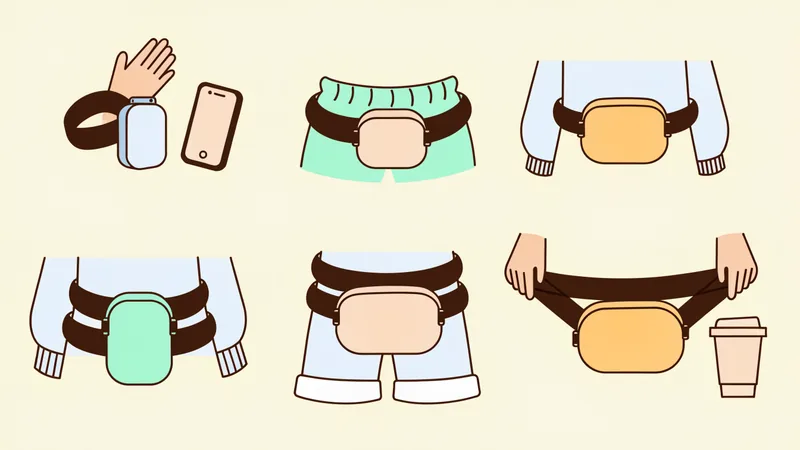
The versatility is the whole point — most have an adjustable strap so you can wear it several ways:
- Around the waist — the classic, and still practical for hiking, running, and festivals.
- Across the chest / crossbody — the modern way, worn diagonally across the torso like a sash. This is the look that made belt bags fashionable again, and it's also the most secure and comfortable for everyday and travel.
- Over one shoulder — slung casually like a small shoulder bag.
There's no wrong way — but if you're wearing one for style or for city travel, the across-the-chest wear is the current, practical default.
Belt bag vs. crossbody vs. sling

Where the belt bag sits among its cousins:
- Belt bag vs. crossbody bag: a belt bag is smaller, originates at the waist, and reads sportier and more casual; a crossbody is a larger, purse-style bag that hangs at the hip (see our crossbody guide). When you wear a belt bag across your chest, the line blurs — but a belt bag is still the more compact, casual option.
- Belt bag vs. sling bag: a sling is bigger, worn across the back or chest like a one-strap backpack, and built for more gear; a belt bag is smaller and waist-born. (Full guide: sling bags.)
In short: belt bag is the compact, hands-free minimalist of the group.
Are fanny packs / belt bags still in style?
Yes. The fanny pack completed one of fashion's great redemption arcs — from '90s punchline to a genuine staple over the last several years, driven by athleisure, the across-the-chest way of wearing it, and designer and athletic-brand versions that made it aspirational. Like anything, its peak hype rises and falls with fashion cycles, but the belt bag has settled into a perennial, practical item rather than a passing trend — because hands-free convenience never goes out of style. Whether or not it's the single trendiest bag in a given season, it stays useful and widely worn.
The best uses for a belt bag
This is where the belt bag genuinely shines:
- Hands-free travel — worn across your chest and swung to the front, it keeps your phone, wallet, and passport secure and reachable, and it's much harder to pickpocket than an open bag (see our bag security guide). No bag is theft-proof, but a front-worn belt bag is one of the safer travel carries.
- Festivals and concerts — secure, compact, and out of the way in a crowd.
- Hiking and running — as a hip pack or running belt, it carries essentials without a backpack's bulk or bounce.
- Everyday minimalism — phone, keys, cards, lip balm, and nothing you don't need.
- Parents and dog walkers — hands-free for exactly the people who never have a free hand.
Sizes and materials
Sizes:
- Mini — phone and cards, the minimalist's pick.
- Standard — phone, wallet, keys, and daily essentials.
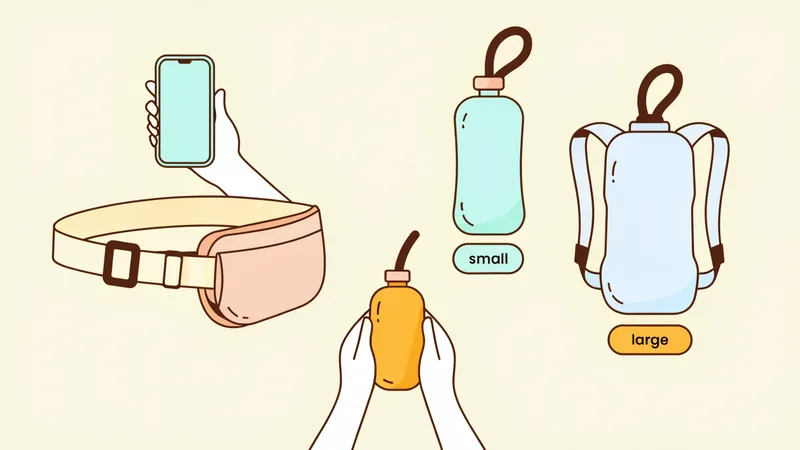
- Large / sport — room for a small water bottle and more, for hikes and long days.
Materials (full detail in our materials guide):
- Nylon / recycled polyester — light, water-resistant, and the everyday default.
- Neoprene — soft, puffy, and casual.
- Leather / vegan leather — the dressier, more polished option.
- Cordura / ballistic nylon — rugged, for outdoor and hard use.
Match the size to what you actually carry (smaller than you think) and the material to whether it's a gym-and-trail bag or a going-out piece.

Frequently asked questions
What is the difference between a fanny pack and a belt bag?
There isn't one — they're the same bag. "Fanny pack" is the classic American term with '80s–'90s associations, and "belt bag" is the modern fashion rebrand that revived the style. You'll also hear "waist bag," "waist pack," and "hip pack" (the outdoor term), all describing the same small bag worn on an adjustable strap. The name mostly signals the era or context, not a different product.
What is a fanny pack called in the UK?
A bum bag. The American term "fanny pack" doesn't translate, because "fanny" is vulgar slang in British English, so the UK uses "bum bag" instead (referring to wearing it at the back). It's the exact same item — small bag, adjustable strap, worn around the waist or across the body — just under a Britain-friendly name.
Are belt bags still in style?
Yes — the belt bag has moved from trend to staple over the last several years, thanks to athleisure, the across-the-chest way of wearing it, and designer and athletic versions. Its peak hype rises and falls with fashion cycles, but the core item stays popular and widely worn because hands-free convenience is always useful. If you want the current "it" version, check this season's styles; if you want a practical bag you'll use for years, any well-made belt bag qualifies.
How do you wear a belt bag?
Three main ways, thanks to the adjustable strap: around the waist (classic and practical for hiking or festivals), across the chest like a sash (the modern, fashionable, and most travel-secure way), or slung over one shoulder. The across-the-chest wear is the current default for both style and everyday city use, since it keeps the bag secure and easy to reach. There's no wrong way — wear it however feels comfortable.
Are belt bags good for travel?
Very — they're one of the best hands-free travel bags. Worn across your chest and kept in front of you, a belt bag keeps your phone, wallet, and passport secure and within reach, and it's far harder to pickpocket than an open tote or a bag that hangs behind you. Some include RFID-blocking pockets for cards and passports. No bag is fully theft-proof, but a front-worn belt bag is a genuinely smart, secure travel carry.
What's the difference between a belt bag and a crossbody bag?
A belt bag is smaller, originates at the waist, and reads sportier and more casual, while a crossbody is a larger, purse-style bag worn at the hip. The line blurs when you wear a belt bag across your chest, but the belt bag stays the more compact, minimalist option built for just the essentials, whereas a crossbody carries more like a proper handbag. Choose a belt bag for hands-free minimalism, a crossbody for a purse alternative.
Guides in this section
3 guides sit under this page.