Gym Bags: The One Feature That Actually Matters (and How to Choose)

Most gym bags look the same until the moment you shove sweaty clothes and dirty sneakers in next to your clean gear — and that's where the good ones separate from the rest. The single feature that defines a great gym bag isn't the logo or the color; it's whether it keeps your dirty, damp, and clean stuff apart. This guide is about getting that right, then picking the shape and size that fits your routine.
The types of gym bag
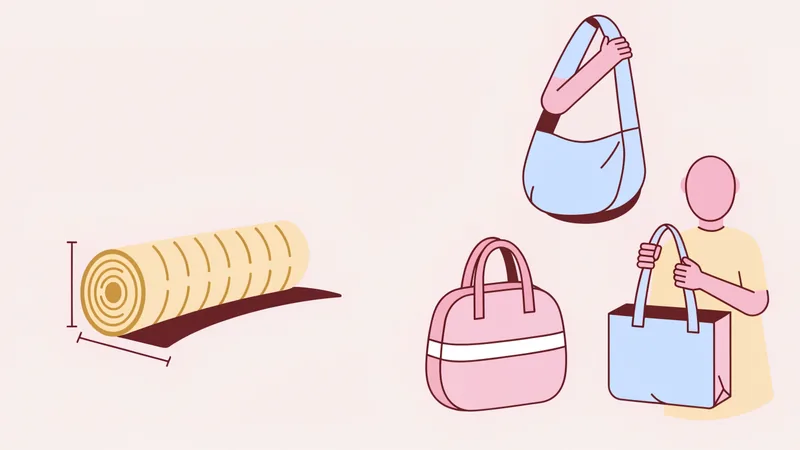
Four shapes cover almost everyone:
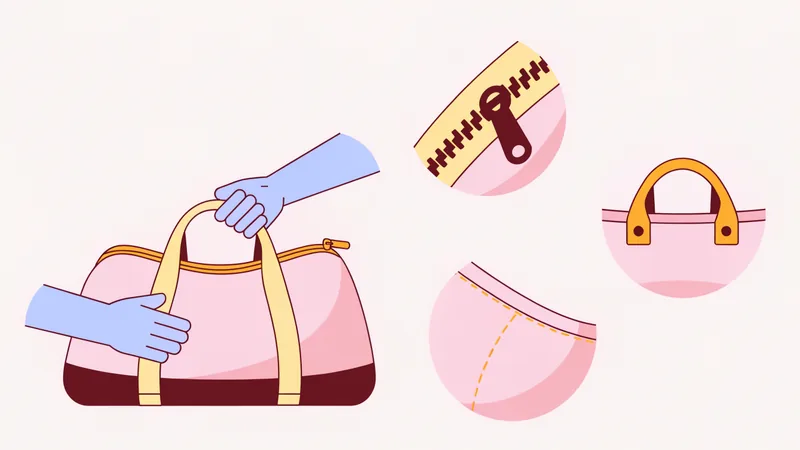
- Gym duffel — the classic. Opens wide, holds the most, and there's a reason it's the default: it swallows a full kit and you can find everything. Best for bigger loads and gear-heavy workouts.
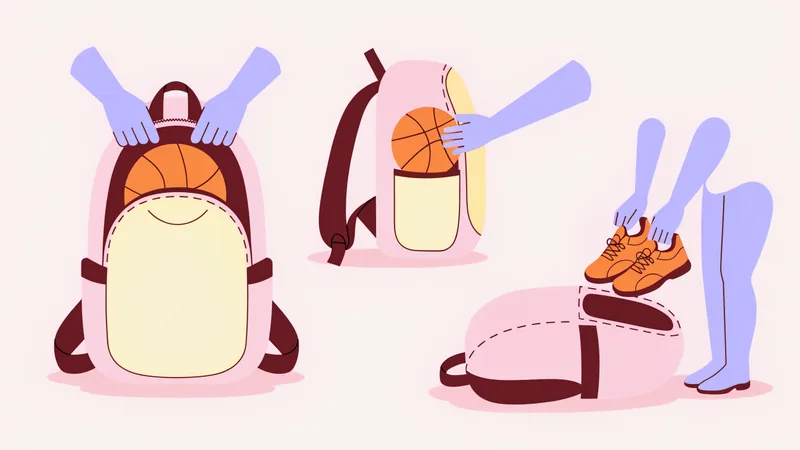
- Gym backpack — hands-free, easy on a bike or a commute, and often with a laptop sleeve so it doubles as your work bag. The best pick if you go to the gym on the way to or from somewhere else.
- Gym tote — a more casual, grab-and-go option for a lighter kit, popular for yoga, studio classes, and lighter sessions.
- Gym sling / crossbody — minimal, for when you carry almost nothing (a change of clothes and essentials). Quick and out of the way.
Pick the shape by how you get to the gym and how much you haul: duffel for a big kit, backpack for a commute, tote or sling for a light load.
The feature that matters most: a ventilated shoe compartment
If you take one thing from this guide: prioritize a ventilated shoe compartment. It's a separate zippered pocket (usually at one end or the bottom) that keeps your dirty, dusty trainers away from your clean clothes — and the ventilated part means the shoes (and the pocket) can air out instead of sealing in odor. It's the most-searched gym-bag feature for a reason: it solves the single grossest problem of carrying gym gear.
A close second: a wet/dry pocket — a water-resistant, separate compartment for sweaty clothes after a workout or a wet swimsuit after a swim. Together, a shoe compartment and a wet pocket keep the three states of gym laundry (clean, sweaty, and shoes) from ever touching. That's the whole game.
The other features worth having
- A water bottle holder — ideally an external or dedicated pocket so a leaky bottle isn't loose among your clothes.
- Good ventilation overall — mesh panels or vents that let the whole bag breathe and dry between sessions.
- Durable, wipeable material — the gym is hard on a bag; a tough, water-resistant fabric you can wipe clean lasts longer and stays hygienic.
- A bag that stands upright — a flat, structured base so it doesn't flop over on a locker-room floor, spilling your stuff.
- The right size — enough for your kit and no more (see below).
- Comfortable carry — a padded shoulder strap on a duffel, or padded straps on a backpack, since a loaded gym bag gets heavy.
Sizing: match the bag to your routine

- Small (around 20–30L): the commute-to-gym bag — a change of clothes, shoes, a towel, essentials. Plenty for a standard workout, and easy to stash in a locker.
- Large (40L+): the full-kit or team-sport bag — extra gear, meal prep, a change for after, or shared equipment. Roomy, but a big bag invites overpacking and gets heavy.
Most gym-goers are best served by the smaller end. Size up only if you genuinely haul a lot — sports gear, a full day's change, or team equipment.
Duffel or backpack for the gym?
The most common question, and it comes down to how you get there:
- Backpack if you walk, bike, or commute to the gym, or want it to double as a work bag (look for a laptop sleeve). Two straps keep your hands free and the weight balanced.
- Duffel if you drive, carry a bigger kit, or just want the wide-open access and maximum room. It holds more and you can see everything, but it hangs on one shoulder.
Neither is wrong — a backpack is the commuter's pick, a duffel is the gear-hauler's. Both should have that shoe compartment.
The work-to-gym bag
A growing sweet spot: a gym backpack with a padded laptop sleeve and a ventilated shoe compartment, so one bag handles the office and the gym. It's the ideal for anyone who works out before or after work — no second bag, no leaving gym clothes at your desk. If that's your routine, look for a bag that explicitly combines a laptop compartment with a shoe pocket and a wet pocket.
Keeping a gym bag from getting gross
A gym bag lives a damp, sweaty life, so a little care keeps it (and you) fresh:
- Empty it after every session — don't let sweaty clothes ferment inside overnight.
- Use the wet pocket for damp items so moisture doesn't spread to everything else.
- Air it out — unzip it and let it dry between uses; the ventilation features only work if you use them.
- Wipe the lining periodically, and check our bag care guide for cleaning by material. A wipeable interior makes this easy.
The bag's features do half the work; airing it out does the other half.
Frequently asked questions
What's the best gym bag with a shoe compartment?
The best one has a ventilated shoe compartment — a separate zippered pocket that's vented so the shoes air out instead of trapping odor — plus enough capacity for your kit and a wet pocket for sweaty clothes. Both duffels and backpacks come with shoe compartments, so choose the shape by how you get to the gym (backpack for commuting, duffel for a bigger load), then confirm the shoe pocket is vented, not just a sealed cavity.
Is a backpack a good gym bag?
Yes — a gym backpack is a great choice if you walk, bike, or commute to the gym, because it keeps your hands free and balances the weight across both shoulders. Many gym backpacks also include a laptop sleeve, so they double as a work bag. The main trade-off versus a duffel is capacity: a backpack holds less and doesn't open as wide, so for a big kit or lots of gear, a duffel is roomier.
What should I look for in a gym bag?
Prioritize a ventilated shoe compartment and a wet/dry pocket — together they keep dirty shoes and sweaty clothes away from your clean gear, which is the main job of a gym bag. Then look for a water bottle holder, durable and wipeable material, good ventilation, a base that stands upright, and the right size for your routine. Get the shoe compartment and wet pocket right and the rest is refinement.
What size gym bag do I need?
For a standard workout — a change of clothes, shoes, a towel, and essentials — a small bag around 20–30 liters is plenty and easy to stash in a locker. Step up to 40 liters or more only if you carry a big kit, meal prep, a full change for after, or team sports gear. Most people over-buy on size; a bag that's too big just invites overpacking and gets heavy to carry.
How do I keep my gym bag from smelling?
Empty it after every session rather than letting damp clothes sit inside, use the wet/dry pocket for sweaty items so moisture doesn't spread, and unzip the bag to air it out between uses. Choose a bag with good ventilation and a wipeable lining, and clean it periodically (our bag care guide covers cleaning by material). The odor problem is really a moisture problem — keep the bag dry and it stays fresh.
What should I pack in my gym bag?
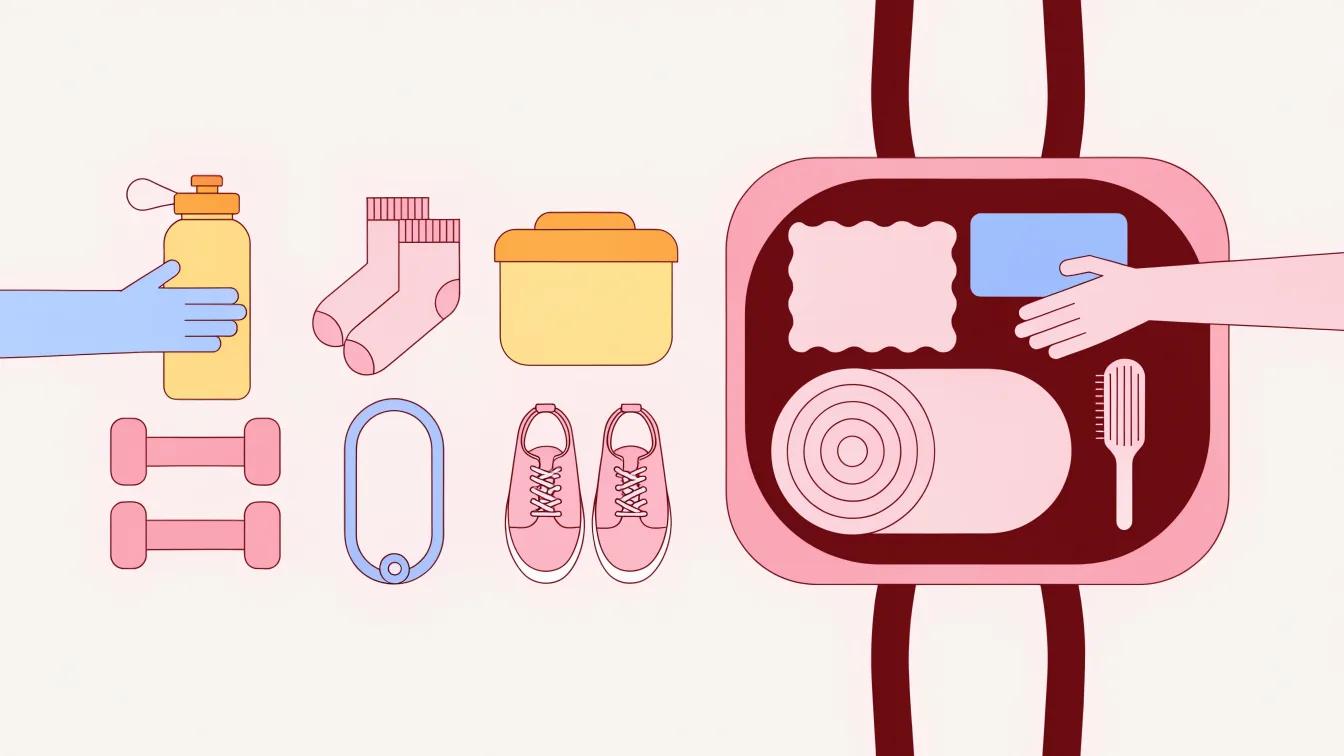
The basics: workout clothes, shoes (in the shoe compartment), a towel, a water bottle, and toiletries for after. Add a wet/dry pocket's worth of space for the sweaty clothes you'll change out of, and if you're going straight to or from work, a spot for your laptop and a change of clothes. Many people also pack meal prep or a snack — an insulated pocket or a small cooler bag helps there (see our lunch & insulated bags guide).
Guides in this section
16 guides sit under this page.
Roundups
Best basketball backpacks
Best budget gym bags

Best dance bags
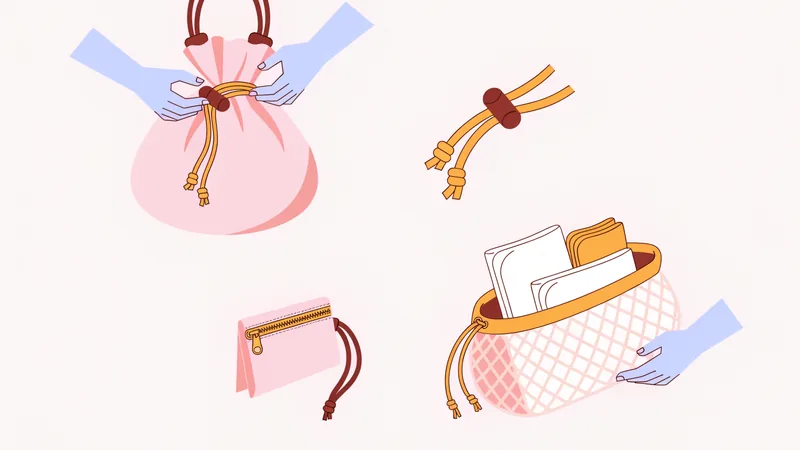
Best drawstring bags
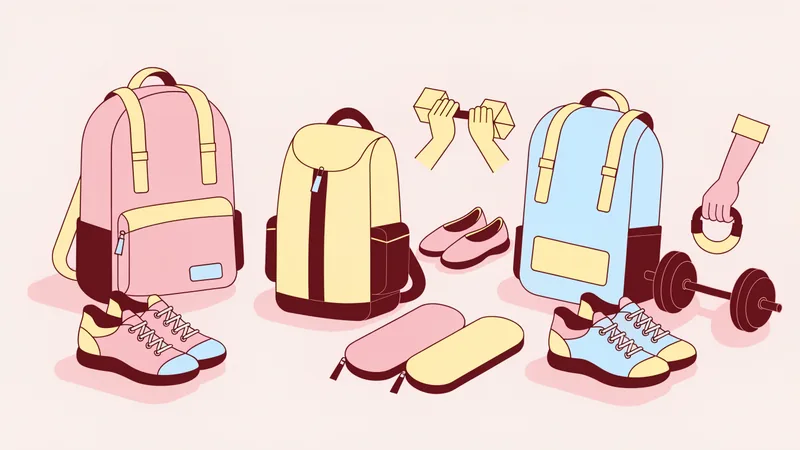
Best gym backpacks

Best gym bags for men

Best gym bags for women

Best gym bags for work-to-gym days

Best gym bags with a shoe compartment
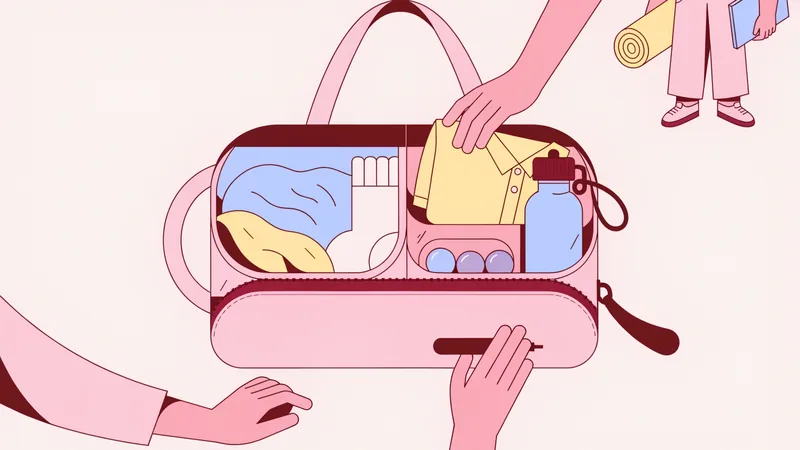
Best gym bags with a wet pocket

Best ski and snowboard boot bags

Best small gym bags
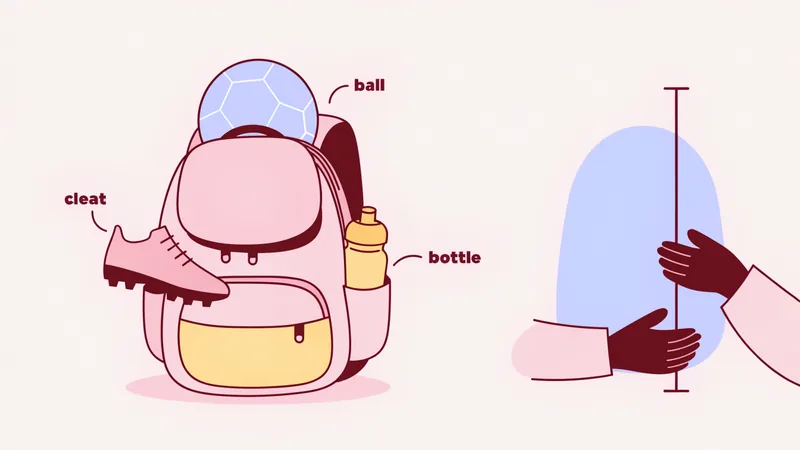
Best soccer bags for kids

Best swim bags

Best tennis and pickleball bags