Luxury bags: what you pay for and how to choose
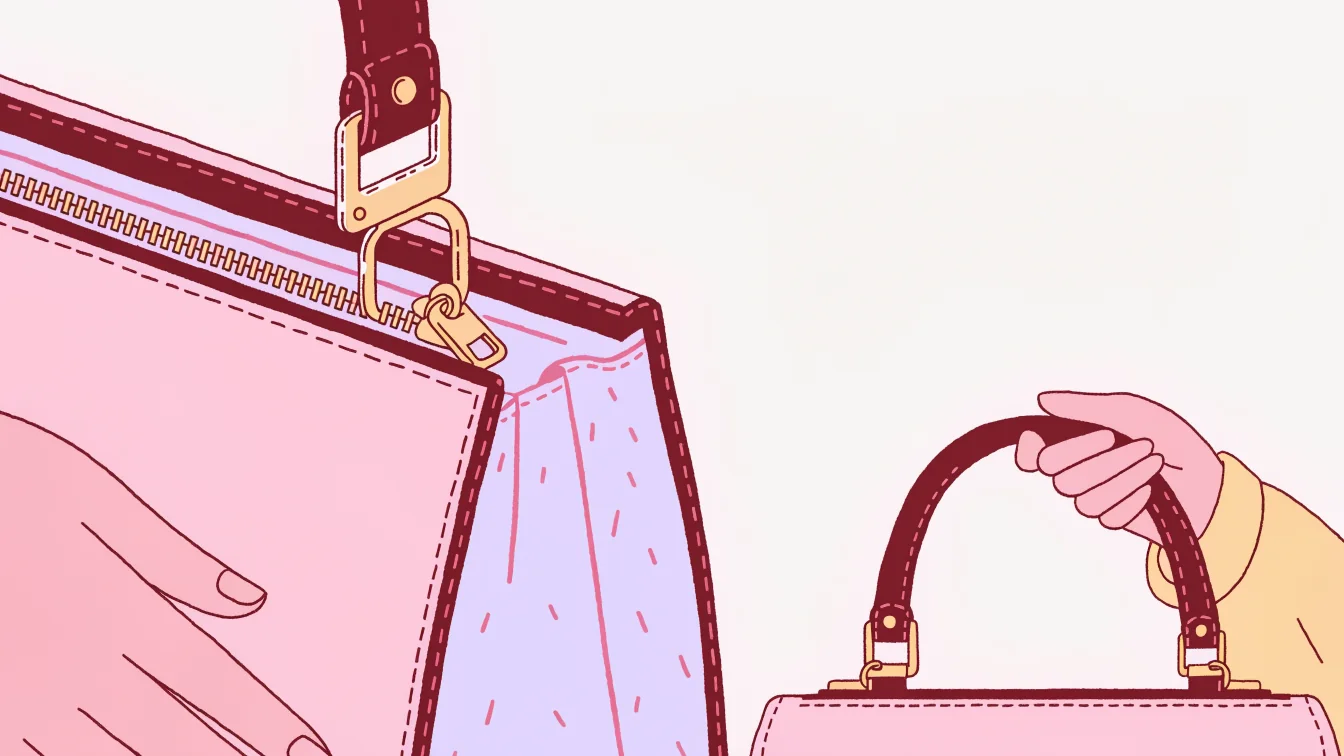
Luxury bags are worth considering when their construction, materials, fit and after-sales service suit your needs and budget. Price alone does not guarantee durability, comfort or resale value. Compare hardware, seams, access and repair options before paying for a name.
What makes a bag “luxury”?
Luxury is a market position rather than a technical bag category. A luxury handbag may feature elaborate materials, recognizable design, controlled distribution, specialist finishing or a manufacturer service network.
Some of that helps you carry things. Some of it is taste and brand. Separate what you can inspect from what you simply like.
| Attribute | What you can actually examine | What not to assume |
|---|---|---|
| Material | Stated leather or textile and surface finish | Highest grade from brand reputation alone |
| Stitching | Alignment, reinforcement, loose ends | Perfect strength from appearance |
| Hardware | Closure feel and attachment design | Solid precious metal without documentation |
| Lining | Cleanability and wear-prone corners | Luxury lining is automatically durable |
| Structure | Shape retention and packed balance | Rigid bag always protects contents |
| Service | Published warranty and repair route | Every damage type is covered |
| Brand identity | Style, availability and design language | Guaranteed resale appreciation |
Start with the job. For an occasional evening bag, silhouette can outrank capacity. For a laptop or daily kit, practicality leads.
Types of luxury bag
Each common shape has a different weak point to check before you buy.
| Type | Typical use | What to inspect first |
|---|---|---|
| Structured top-handle or satchel | Work and formal | Frame, handle anchors, opening width |
| Shoulder or flap bag | Everyday | Chain comfort, flap closure wear |
| Tote | Work and travel | Handle loop construction, unlined corners |
| Crossbody | Travel days | Strap hardware, zipper |
| Clutch or minaudière | Evenings | Clasp and hinge |
Construction details worth checking before purchase
Inspect handle attachment points and the places where weight changes direction. These include strap rings, base corners, zipper ends and the top edge. A neat exterior is appealing, but stress points often tell more about how a bag is assembled.
Look for consistent stitching and secure hardware. If the seller allows examination, open and close the bag slowly and check whether the closure catches on the lining.
Examine edges. Some luxury bags have painted edges, folded edges or bound seams. Each construction method has different maintenance needs.
Check whether edge coatings are cracked or lifting, especially on a pre-owned piece. Inspect corners for rubbing and look inside for lining separation. A glossy finish can hide wear, but it cannot replace clear disclosure about condition.
Try the strap with the contents you expect to carry. Short shoulder straps can be awkward over outerwear. A heavy decorative chain may be uncomfortable on a long walk.
Verify that the opening fits your wallet, phone or other large item without bending it. If you cannot close the bag with your actual daily essentials, its price is not going to change the geometry.
Leather, coated canvas and alternative materials
Luxury bags are not all made from the same type of leather. Some use smooth finished leather, textured leather, suede, coated canvas, textiles or mixtures of materials.
A shiny finish needs different care from a matte or textured one. Read the material label exactly as published. Treat a vague description such as “premium leather” as a reason to ask the seller which leather and which finish.
A tannery certification is not a product certification either. Leather Working Group says its certification applies to the facility where the leather was made, not to individual products.
| Material family | Common attraction | Care question |
|---|---|---|
| Smooth finished leather | Clean silhouette | How vulnerable is the finish to scratches? |
| Textured leather | Visible grain and tactile surface | What cleaner is approved? |
| Suede or nubuck | Soft, matte appearance | What happens if it gets wet? |
| Coated canvas | Pattern and easier surface wiping in some designs | Are corners and coating repairable? |
| Textile | Lightness and pattern variety | Is color transfer or cleaning a concern? |
| Synthetic alternative | No animal leather; wide range of finishes | How does the coating age, and can it be repaired? |
One maker’s leather guidance illustrates why leather care depends on the material and finish. It advises avoiding excessive humidity, heat and sunlight and warns against unsuitable products. Follow the exact maker directions for the bag you own instead of applying a universal home remedy.
What luxury pricing may cover, and what it may not
A premium price can reflect design development, labor, materials, retail service, distribution and branding. The price tag does not tell you how much of each component is included.
Nor does it prove that a bag is tougher than a lower-priced alternative. Buyers should focus on what is demonstrably useful to them.
The most meaningful premium benefit may be long-term service. Ask whether the maker offers repair assessment, replacement components or refurbishment.
For example, one maker recommends regularly entrusting a bag to its artisans and lists work such as repairing corners, concealing scratches and changing hardware. A published repair route is not a promise that every issue will be fixed free of charge.
If a bag is needed for heavy daily use, prioritize strap comfort and usable capacity over decorative detailing. If it will be worn rarely, consider how it will be stored between occasions. Cost per wear is a useful way to plan, not a return on investment.
Repair services: what a published route looks like

Another maker states that its online repair service begins with an assessment and estimate. Customers can decide whether to proceed before sending the item for the proposed work.
The same page describes remote contact with a care expert, a shipping label and repair-status tracking. It also says the cost depends on the item and repair required.
This is a second example of a documented service route, not an endorsement of the maker. Compare the process available for your exact bag and location.
Before purchase, ask how an assessment starts and which evidence you should retain. For a pre-owned item, ask whether earlier alterations affect the service options.
Also ask what happens if the requested repair is unavailable. Keep the response with the purchase information rather than relying on an informal expectation.
A useful after-sales promise is specific enough to act on: who to contact, and how the work and cost will be quoted.
Price tiers: use the site's bands as a budget filter
On bags.net's price tiers, luxury handbags sit in the top tier ($$$$). That tier spans a broad range, so the tier alone says little.
Bags.net uses four price tiers based on the maker's list price: $ is under $50, $$ is $50 to $149, $$$ is $150 to $299 and $$$$ is $300 and up. They are budget bands, not quality grades.
| Site tier | List price | What it means here | What still needs checking |
|---|---|---|---|
| $ | under $50 | Basic carry, no service network expected | Actual fit, closure and construction |
| $$ | $50 to $149 | The practical benchmark to beat | Materials, comfort and service terms |
| $$$ | $150 to $299 | Premium materials; check the repair route | Evidence that those features solve a real need |
| $$$$ | $300 and up | Where luxury handbags sit; no upper limit | Item-specific quality, care and after-sales support |
Set your personal spending limit separately from the site's label. Compare the complete purchase, including any optional strap or accessory you require, before deciding.
Before moving up a tier, write down the one inspected feature or documented service that justifies the extra cost. If the honest answer is that you love how it looks, that is a fine reason. Just don't file it under durability.
How to choose a shape you will actually carry
Start with a silhouette, then a size. Top-handle bags can look formal but may need an optional strap for hands-free use. Drawstring buckets can offer volume but may be less secure at the opening.
| Daily need | Style to inspect first | Important measurement |
|---|---|---|
| Work essentials | Structured tote or satchel | Opening and laptop dimensions |
| Phone, wallet, keys | Small crossbody or shoulder bag | Internal width and depth |
| Evening event | Clutch or compact top handle | Phone fit and closure |
| Weekend errands | Hobo or medium tote | Strap drop and access |
| Travel day | Secure crossbody | Closure, body-side fit and pockets |
Do not infer laptop fit from a bag’s claimed diagonal size. Measure the device itself, including its case, and compare against actual internal dimensions.
Examine the clearance at the opening. A bag can appear wide enough externally while tapering at the zipper or top frame.
For broader styles, start with handbags and the hobo vs satchel vs tote comparison.
Buying new versus pre-owned
Buying new makes provenance and product information easier to trace, but read the warranty and return terms anyway. Pre-owned opens up discontinued shapes and often lower prices. It also demands closer checks on authenticity, repairs, odors, stains, replaced hardware and what the seller discloses.
Ask for clear photos of corners, the base, inside pockets, zipper pulls, strap anchors and any identifying marks relevant to the item. Pictures should show the current item rather than only generic promotional imagery.
Ask what restoration work has been done and whether it affects future service eligibility. Authentication is not guaranteed by a dust bag, receipt photograph or one interior stamp.
Use a seller with a written inspection process and written return terms. For an expensive purchase, pay for independent authentication, and remember that no remote check is infallible.
Care, storage and repair: protect usability
A premium bag needs steady, ordinary care more than elaborate treatment. Don't overload it, and keep anything that can leak in its own pouch.
Wipe dirt only according to the care label. Do not use random household cleaners or leather conditioners because their ingredients may alter specific finishes.
When stored, support the bag’s form with suitable soft stuffing rather than pressing it flat. Keep hardware from scratching the surface, and avoid heavy items resting on the bag.
One maker advises storing leather goods away from light and unfavorable humidity, with appropriate shape support. Follow the actual manufacturer’s directions for any box, cover or filler.
If hardware loosens, edge finish lifts or a structural seam fails, contact the maker or a professional repairer before attempting glue or solvents. Some repairs are reversible; others may affect service eligibility or visual appearance.
Ask for an assessment and estimate. Document condition and keep purchase records where convenient.
When are luxury bags worth it?
Luxury bags are worth it when you will use the design, can afford it without strain, and value the specific construction or service. They are harder to justify when the main reason is a promised resale gain or assumed durability. A poor fit stays inconvenient at any price.
Make a short list and compare capacity, published empty weight, strap options, cleaning needs, warranty terms and return rights. Try opening each bag with one hand if that matters for your routine.
If possible, load it with what you actually carry and walk around the store. For named picks that publish those specs, see best leather handbags worth the investment.
A well-made midrange bag may do the same job. If the shape you want is uncomfortable, hard to maintain or too small, the cheaper bag that fits is the better buy.

FAQ
Are luxury handbags better quality than regular handbags?
Not necessarily in every feature. Luxury pricing can reflect materials, design, service and branding.
Judge quality through construction, comfort, hardware, care requirements and written policies. Compare actual items instead of assuming that a higher price automatically means better strength or longer service life.
Do luxury handbags increase in value?
There is no reliable guarantee. Resale outcomes depend on model, condition, demand, selling costs and market timing.
Do not buy a handbag on the assumption of investment returns. Choose it first because you can afford it and expect to enjoy using it.
Which luxury handbag shape is most practical?
A structured tote or satchel often suits work essentials. A crossbody can be more comfortable for hands-free errands. Practicality depends on the exact opening, strap length, weight and internal dimensions.
Measure what you carry before choosing a silhouette.
Can luxury leather bags get wet?
Some finished leathers tolerate brief contact better than others, but water can still affect finish and shape. One maker’s care guidance cautions against moisture and advises appropriate handling. Follow the maker’s material-specific instructions and avoid soaking the bag or applying unapproved products.
Should I buy a luxury bag new or pre-owned?
New purchases can simplify provenance and service questions. Pre-owned purchases require closer review of item condition, authenticity, alterations and return terms.
Neither route guarantees value retention. Choose a seller with transparent disclosures and get a professional assessment when the stakes justify it.
Related guides
Guides in this section
2 guides sit under this page.