What Makes a Bag Durable: How to Judge Quality Before You Buy

Bags almost never fail because the fabric wore through. They fail at the zippers, wheels, handles, and seams — the moving parts and stress points. So "is this bag good quality?" really comes down to how those specific components are built. The useful part: you can judge most of them from a product photo and a spec list, without ever holding the bag. This guide shows you how.
Where bags actually break (start here)
If you remember one thing: durability lives in the hardware and the stress points, not the material. A bag made from tough fabric with a cheap zipper and glued-in wheels will fail long before a modestly-built bag with quality components. When you evaluate any bag, look at the parts in this order — zippers, wheels, handles, stitching — because that's roughly the order in which bags die.
Zippers: the number-one failure point
The zipper is the single most common thing to break on a bag, so it's worth understanding.
Zipper types:
- Coil zippers use a spiral of nylon or polyester. They're lighter, more flexible, and self-healing — if the teeth separate slightly, running the slider back over usually realigns them. Common on soft luggage and everyday bags.
- Chain (tooth) zippers have individual metal or molded-plastic teeth. They're stronger and more secure, used on heavy-duty and hard-shell bags, but a broken tooth can't self-heal.
The quality signal: YKK. YKK is a Japanese manufacturer that makes a large share of the world's zippers and is widely regarded as reliable — you'll find "YKK" stamped on the slider or pull, across everything from budget bags to premium brands. A YKK zipper isn't a guarantee the whole bag is well made, but it's a genuine good sign, and its absence on a pricier bag is worth questioning.
What to check: run the zipper (in person) — it should glide, not catch. In photos, look for the YKK stamp, double zipper pulls on main compartments (more convenient and often lockable), and check that the zipper tape is stitched down securely, not just glued.
Wheels: the number-two failure point
For wheeled luggage, the wheels are the next thing to go — and there's a real choice here.
Spinner wheels (four or more wheels that rotate 360°) let the bag roll upright beside you, which is easier in tight airport aisles and through crowds, and puts no weight on your arm. The trade-offs: the wheels mount on the outside of the shell, so they're exposed and are a common break point, and an upright bag can roll away on any incline.
Inline (two-wheel) luggage has recessed wheels and you tilt-and-pull it behind you. You bear a little of the weight, but the wheels are more protected and more durable, and they handle uneven sidewalks and rough ground better than spinners.
The durability detail that matters most: are the wheels replaceable? Wheels wear out; on a good bag you can swap them. On a cheap bag they're molded in, so a broken wheel means a dead bag. Sealed bearings also roll better and last longer. If you check bags often or travel over rough surfaces, lean toward inline or a spinner with protected, replaceable wheels.
Handles: the number-three failure point
- Telescoping handles (the pull handle on rolling luggage) should lock firmly at multiple heights with no wobble or rattle. A single-stage handle or one that flexes a lot is a weak point — this is a frequent failure area, and on quality bags the handle is anchored to an internal frame, not just the shell.
- Grab handles (top and side) get yanked constantly, especially when the bag is heavy or lifted into an overhead bin or trunk. Look for handles that are bar-tacked (a dense box-stitch) or riveted at the base, not attached with a single line of straight stitching.
Stitching and seams: the tell of overall quality
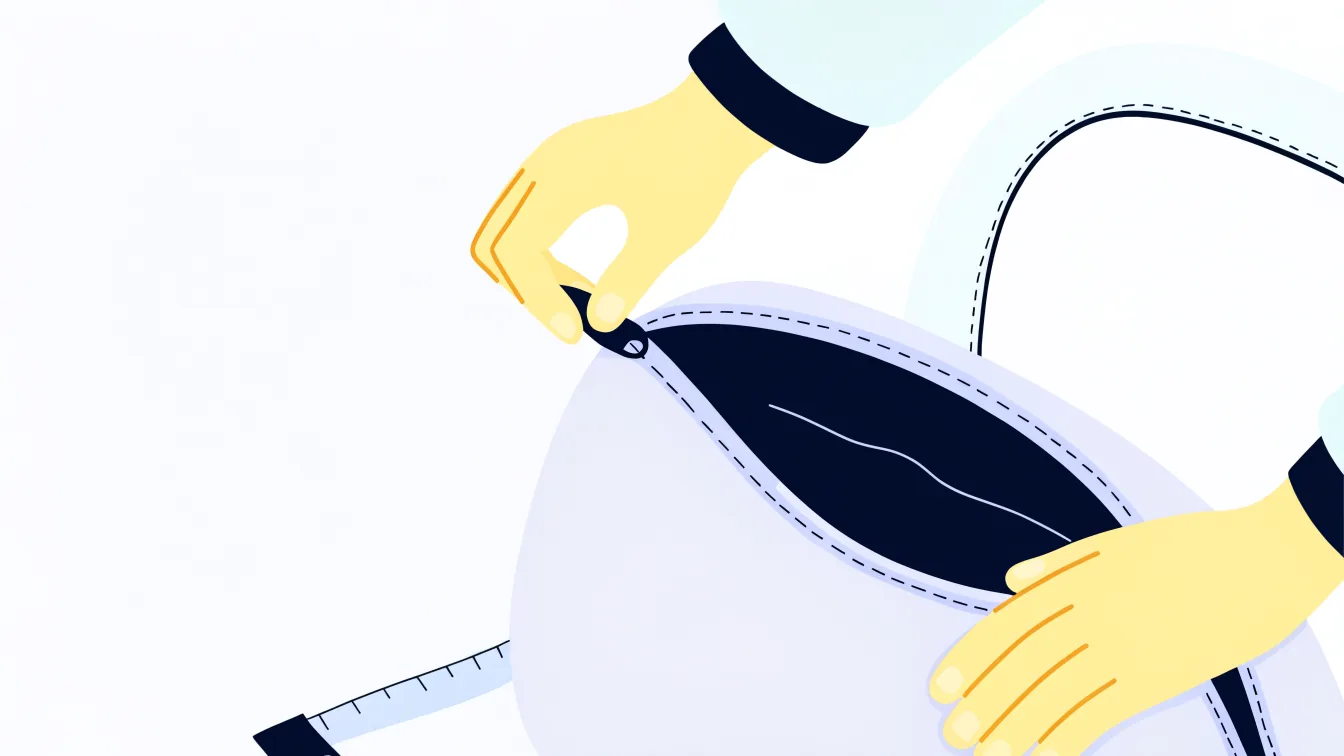
Stitching is where careful construction shows. You don't need to be an expert — just know what to look for at the stress points (where straps meet the body, where handles attach, corners):
- Bar-tacking — a tight, dense cluster of stitches at stress points — is a strong sign of quality construction.
- Double or triple stitching at seams is stronger than a single row.
- Straight, single stitching at a strap anchor is a red flag; that's where a bag tears first.
- Loose threads, uneven stitch spacing, or puckered seams suggest rushed manufacturing.
On leather and structured bags, also check that edges are finished (painted or folded and stitched) rather than raw and fraying.
Frames and internal structure
- Hard-shell bags are inherently framed — the shell is the structure, which is why they protect contents and hold shape, at the cost of weight and no squeeze-to-fit flexibility.
- Soft bags may be framed (an internal frame or stiff panels that hold shape and protect contents, heavier) or frameless (lighter, packs down small, less protective). Neither is better universally — a framed soft bag protects a laptop better; a frameless one stuffs into a car footwell.
For backpacks specifically, the "frame" is the suspension system (internal frame sheet, stays, and a hip belt that transfers load to your hips) — critical for carrying comfort, covered in our backpack guides.
Linings, compartments, and hardware
Smaller signs that separate a considered bag from a cheap one:
- Lining should be stitched in cleanly and, ideally, be wipeable or replaceable. A flimsy, glued lining tears and traps grime.
- Compartments and organization should suit how you'll actually use the bag — a laptop sleeve that's padded and suspended (not sitting on the bottom), pockets where you'll reach for things.
- Hardware — buckles, clasps, D-rings, feet on the base — should be metal or heavy-duty molded plastic at wear points, not thin plastic. Metal feet on the base of a bag protect it from ground wear.
How to judge a bag's quality when shopping online
This is the practical payoff — and it's entirely doable from a listing:
- Zoom in on the zipper for a YKK stamp and double pulls.
- Identify the wheel type (spinner vs inline) and search whether the wheels are replaceable.
- Look at the stress points in the photos — bar-tacking at strap and handle anchors, double stitching at seams.
- Read the material and denier (see our materials guide) and the stated empty weight.
- Check the warranty — the length and what it covers is often the clearest signal of how durable the maker believes the bag is. Some brands offer lifetime warranties; others cover a limited period. A generous, specific warranty is a real vote of confidence.
- Read reviews for failure patterns, not star averages — search the reviews for "zipper," "wheel," and "handle" to see if one part fails repeatedly.
What to avoid
- Molded-in, non-replaceable wheels on anything you'll check or use hard.
- A pricey bag with an unbranded zipper and no YKK stamp.
- Single straight stitching at strap anchors — the first place it'll tear.
- A wobbly, single-stage telescoping handle.
- Vague or very short warranties on a bag sold as premium.
Frequently asked questions
How can you tell if a bag is high quality?
Check the components and stress points, not the fabric: a smooth-running zipper (ideally YKK), wheels that are protected and replaceable, a telescoping handle that locks firmly with no wobble, and dense bar-tacked stitching where straps and handles attach. Clean finished edges, sturdy metal hardware, and a generous warranty are further signs. Most of this is visible in product photos and the spec list.
What's so special about YKK zippers?
YKK is a Japanese manufacturer that makes a large share of the world's zippers and has a strong reputation for reliability, which is why brands across every price tier use them — you'll see "YKK" stamped on the slider. A YKK zipper is a good sign because the zipper is the most common failure point on a bag, though it doesn't by itself guarantee the rest of the bag is well built.
What are the disadvantages of spinner wheels?
Spinner wheels mount on the outside of the shell, so they're exposed and are a common break point, and an upright spinner bag can roll away on any incline. They also handle uneven surfaces less well than recessed inline wheels. Their advantages — rolling upright beside you and maneuvering easily in tight spaces — are real, but for rough use or frequent checking, protected inline or replaceable-spinner wheels last longer.
Are spinner wheels or inline wheels better?
It depends on use. Spinners are easier to maneuver in airports and put no weight on your arm, which suits smooth terminals and frequent flyers. Inline (two-wheel) luggage is more durable and handles uneven ground better, which suits rough surfaces and checked bags. Either way, prioritize wheels that are protected and replaceable — that matters more for longevity than the wheel count.
Why shouldn't you tie a ribbon on your luggage?
Some travelers avoid tying loose ribbons or long straps to checked luggage because they can potentially snag in the automated conveyor systems that move bags behind the scenes. If you want to make your bag identifiable, a sturdy, securely attached luggage tag or a distinctive bag color is a safer way to do it than a loose ribbon.
What should I avoid when buying luggage?
Avoid molded-in, non-replaceable wheels; an unbranded zipper on an otherwise pricey bag; single straight stitching at strap and handle anchors; a wobbly single-stage telescoping handle; and vague or very short warranties on a bag marketed as premium. These are the specific weak points where bags fail first, and they're usually visible before you buy.
Guides in this section
11 guides sit under this page.
Guides
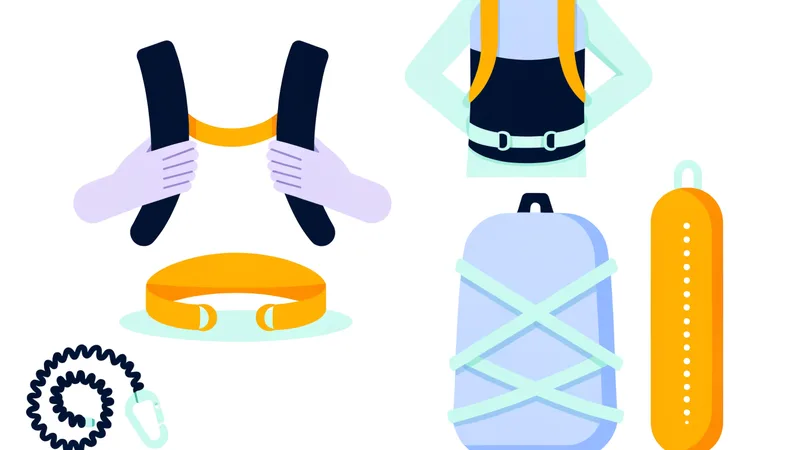
Anatomy of a backpack: every part named

Anatomy of a handbag

Anatomy of a suitcase

Backpack suspension: frames, back panels and load lifters
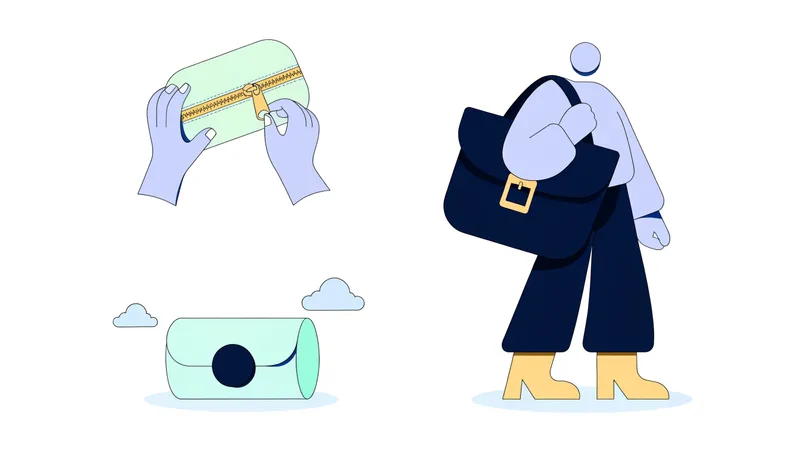
Bag closures: snaps, turn locks, drawstrings and roll-tops

Bag hardware metals: brass, zinc and steel
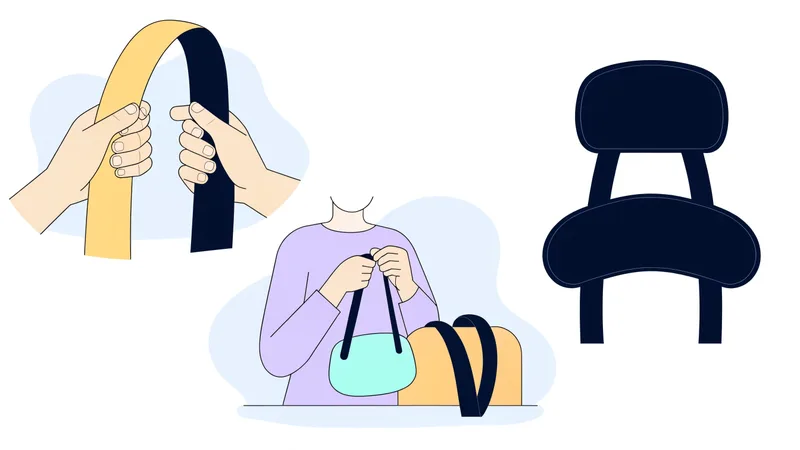
Bag straps explained: width, padding and drop length
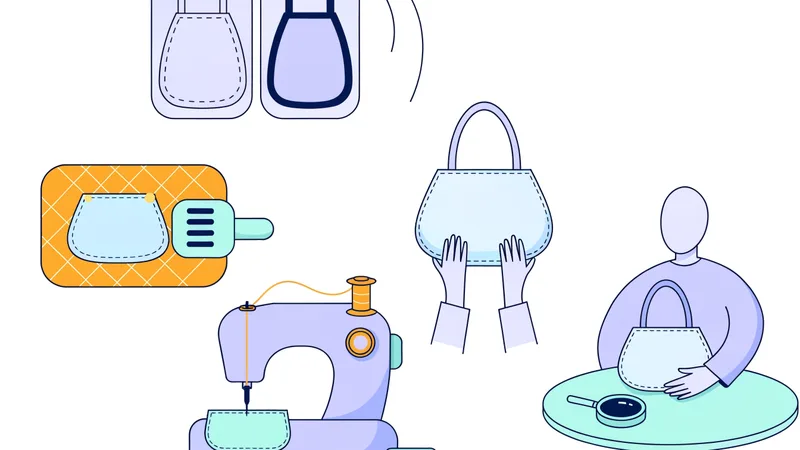
How bags are made: from pattern to factory
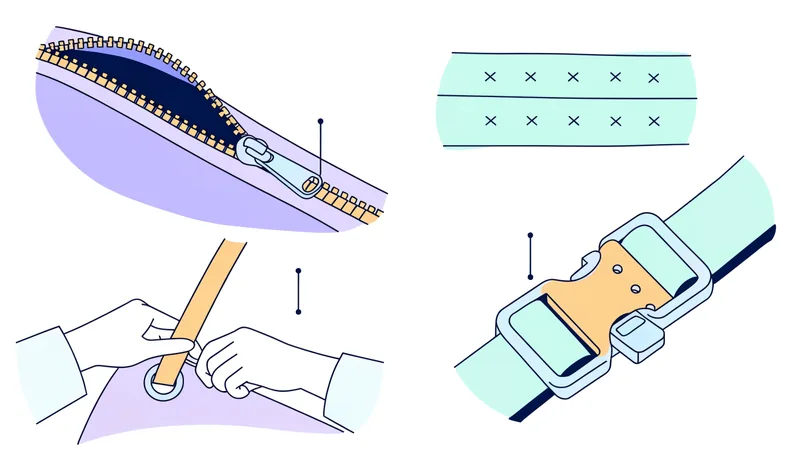
How to tell if a bag is good quality: zippers, buckles and stitching

Pockets and organization layouts