School & Student Backpacks: How to Choose the Right One by Age
The "best" school backpack depends almost entirely on who's wearing it. A five-year-old, a high schooler hauling textbooks and a laptop, and a college student living out of their bag all need very different things — and for younger kids, the wrong pack isn't just inconvenient, it's a genuine strain on a growing back. This guide sorts it by age: how to size and choose a backpack for elementary kids, high schoolers, and college students, plus the weight-safety rules every parent should know.
We won't rank ten packs we supposedly tested through a semester. Instead: the age-by-age guidance, the fit and safety that actually matter, and the features worth paying for at each stage.
First, for kids: the weight rule that matters
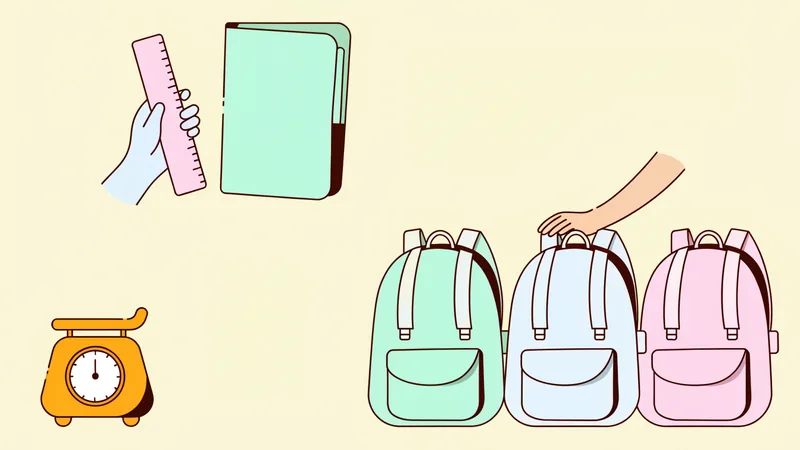
Before style or brand, one safety point every parent should know: a loaded backpack shouldn't weigh more than about 10–15% of a child's body weight. For a 60-pound kid, that's roughly 6–9 pounds, packed. Consistently carrying more — or wearing the bag badly — strains young backs, shoulders, and necks and encourages poor posture.
Just as important as the weight is how it's worn:
- Both shoulder straps, always — never slung over one shoulder, which loads the spine unevenly.
- Padded, snug straps so the bag sits high on the back, with the bottom at the waist, not sagging below the hips.
- Use the chest or waist strap if the pack has one — it transfers load off the shoulders.
- Pack heaviest items closest to the back (textbooks against the spine, lighter stuff outward) for better balance.
If a child regularly complains of back, shoulder, or neck pain from their bag, lighten the load, check the fit, and talk to a pediatrician. (This is general guidance, not medical advice — but it's well established and easy to follow.)
Backpacks for elementary kids (ages ~5–10)
For little kids, size is everything — and the most common mistake is buying a bag that's too big "to grow into." An oversized pack sits wrong, throws off balance, and tempts overpacking.
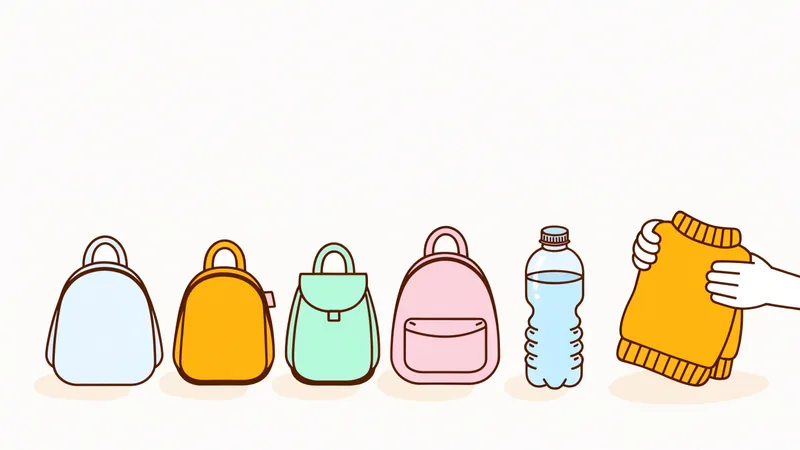
- Size to the child's torso, not their age. The pack should not rise above their shoulders or hang below their hips. A small 10–15L pack is right for most young kids.
- Keep it light and simple — an empty bag that's already heavy is working against you.
- Padded straps and a chest strap help small bodies carry comfortably and correctly.
- Durable, easy-to-clean material (kids are hard on bags) with sturdy zippers.
- A design they love — character and color matter for getting a young kid to actually wear it properly, and that's a legitimate win.
Backpacks for high schoolers (ages ~14–18)
High school is peak load — textbooks and a laptop and after-school gear — so the bag has to be tough, comfortable, and big enough without becoming a boat anchor.
- Size: around 20–30L handles a full day of books, a laptop, and a water bottle without encouraging a back-wrecking overpack.
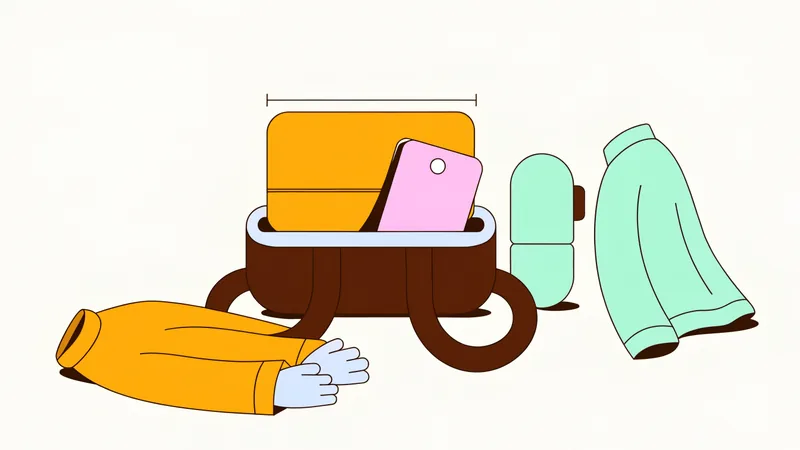
- A padded laptop compartment is essential now — ideally raised off the bottom (the "false bottom" principle from our laptop bags guide).
- Serious durability — reinforced bottom, quality zippers, tough fabric. High school bags take real abuse for years.
- Comfort for a loaded day: padded, adjustable shoulder straps, a padded back panel, and a sternum strap for heavier loads.
- Style matters — a teen who likes their bag will wear it correctly (both straps), so let them have a say.
- The weight rule still applies: even for teens, keep the packed load reasonable and worn on both straps; a locker run beats hauling every textbook all day.
Backpacks for college students
College bags live a different life — long campus days, a laptop that never leaves, sometimes a change of clothes or an overnight. Think of it as a mobile workstation.
- Size: 20–35L, depending on whether you carry just a laptop and notebooks or a fuller daily kit.
- A proper padded laptop compartment sized to your machine — non-negotiable when the laptop is your whole academic life.
- Real organization — pockets for chargers, cables, pens, and a water bottle, so a long day between lecture halls stays sorted.
- Comfort and durability for all-day wear across a big campus: contoured padded straps, a ventilated back panel, tough materials.
- Weather resistance — a water-resistant fabric or rain cover protects your laptop and notes on a wet walk across campus.
- A style that works beyond school — the best college backpacks transition straight into a first job or travel, so a cleaner, more grown-up design earns its keep for years.
Wheeled backpacks: for the heaviest loads
If a student consistently carries very heavy loads — or has back concerns — a wheeled backpack (roll it, or wear it) is a legitimate option that takes the weight off the shoulders entirely. They're heavier and bulkier empty, and less practical on stairs, but for a genuinely heavy daily haul they can spare a young back. Worth considering when the weight rule is impossible to meet otherwise.
What to look for at every age
Across all students, the fundamentals are the same: padded, adjustable shoulder straps and a padded back panel for comfort; durable material and quality zippers because school bags get abused; the right size for the body and the load (not oversized); and a laptop compartment once devices enter the picture. Get those right, match the size to the age, and respect the weight rule for kids, and you've covered what actually matters — the color and character are the easy part.
Frequently asked questions
What size backpack should a high schooler use?
Around 20–30 liters works for most high schoolers — big enough for textbooks, a laptop, and a water bottle, without being so large it encourages a back-straining overpack. Prioritize a padded laptop compartment, sturdy construction, and comfortable padded straps over sheer size. Even at this age, keep the packed weight reasonable and worn on both straps, and use a locker to avoid hauling every book all day.
What size backpack is best for a young child?
Size it to the child's body, not their age: the pack shouldn't rise above their shoulders or hang below their hips, which usually means a small 10–15 liter bag for ages five to seven. Avoid buying big "to grow into" — an oversized pack sits wrong and encourages overpacking. Keep it light, with padded straps and ideally a chest strap, and remember a loaded pack shouldn't exceed about 10–15% of the child's body weight.
How much should a kid's backpack weigh?
A loaded backpack should stay under about 10–15% of the child's body weight — roughly 6 to 9 pounds for a 60-pound child. Carrying more, or wearing the bag on one shoulder or sagging low on the back, strains growing backs, shoulders, and necks. Pack heaviest items against the spine, use both straps snugly, and lighten the load if your child complains of pain (and check with a pediatrician for ongoing concerns).
What's the best backpack for college students?
There's no single "best," but the ideal college backpack has a padded laptop compartment sized to your machine, 20–35 liters of capacity, real organization for chargers and daily gear, and comfortable padded straps with a ventilated back panel for long campus days. Durability and some weather resistance matter since it's worn constantly, and a cleaner design means it carries over into work and travel after graduation.
What should a student look for in a school backpack?
The essentials are the same at every age: padded, adjustable shoulder straps and a padded back panel for comfort; durable fabric and quality zippers to survive daily abuse; the right size for the student's body and load (not oversized); and a padded laptop compartment once a laptop is in play. For kids, add a chest strap and mind the weight rule; for teens and college students, prioritize laptop protection and all-day comfort.
Are wheeled backpacks good for school?
They can be a smart choice for students carrying very heavy loads or dealing with back concerns, since rolling the bag takes the weight off the shoulders entirely. The trade-offs are that wheeled backpacks are heavier and bulkier when empty and awkward on stairs. For a genuinely heavy daily haul that can't be lightened, they're worth considering; for a normal load, a well-fitted regular backpack worn on both straps is usually more practical.
Guides in this section
17 guides sit under this page.
Roundups
Best backpacks for boys
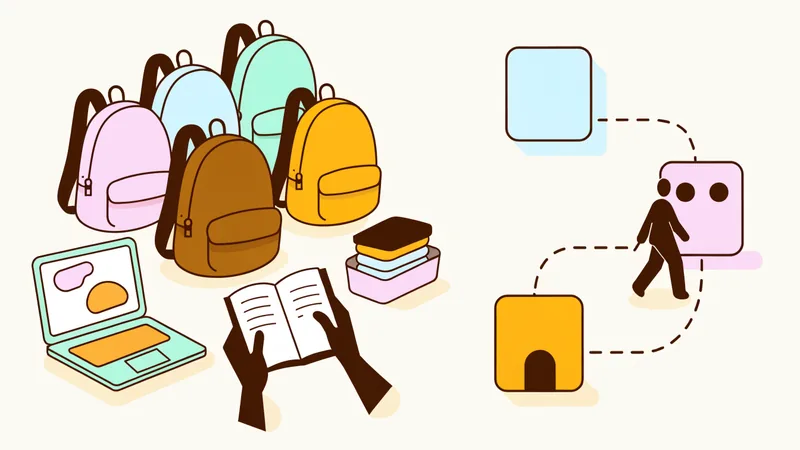
Best backpacks for college
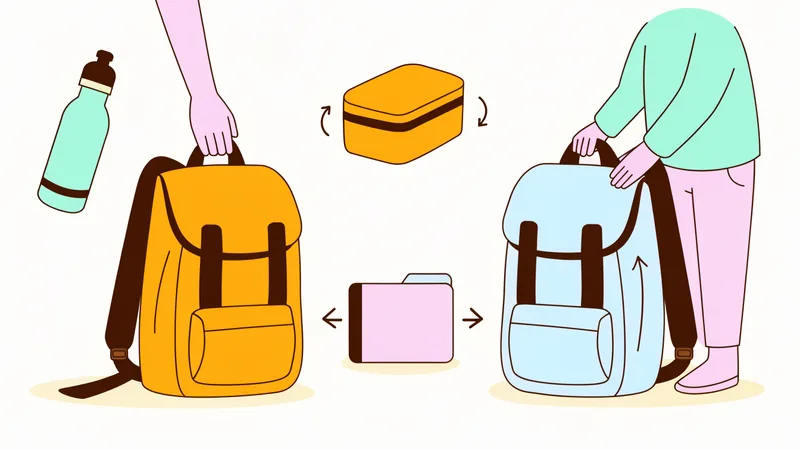
Best backpacks for elementary school
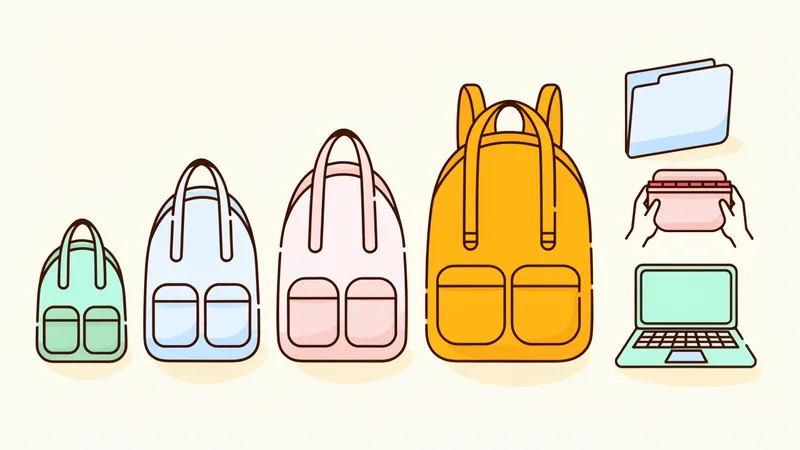
Best backpacks for girls
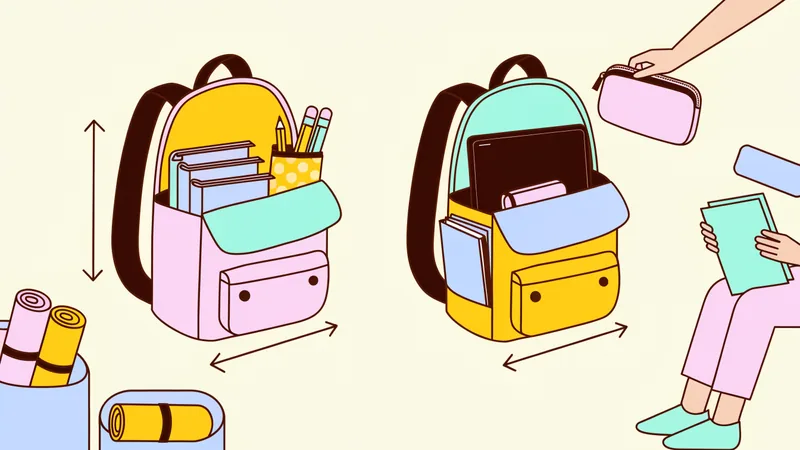
Best backpacks for high school
Best backpacks for middle school

Best backpacks for preschool and kindergarten
Best budget school backpacks
Best clear backpacks for school and stadium rules
Best lightweight school backpacks
Best pencil cases and pouches
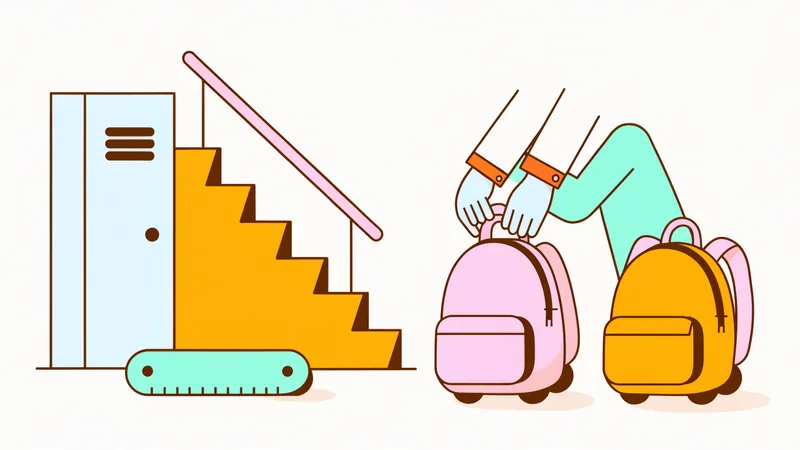
Best rolling backpacks for school
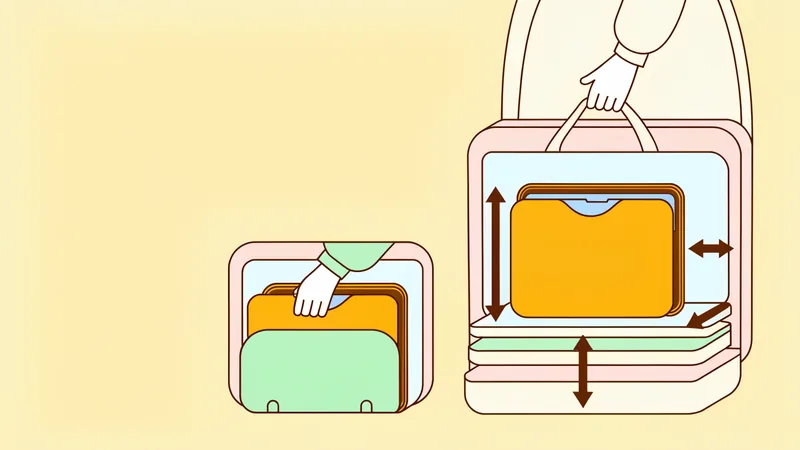
Best school backpacks with a laptop compartment