Camera Bags: How to Protect Your Gear and Pick the Right One
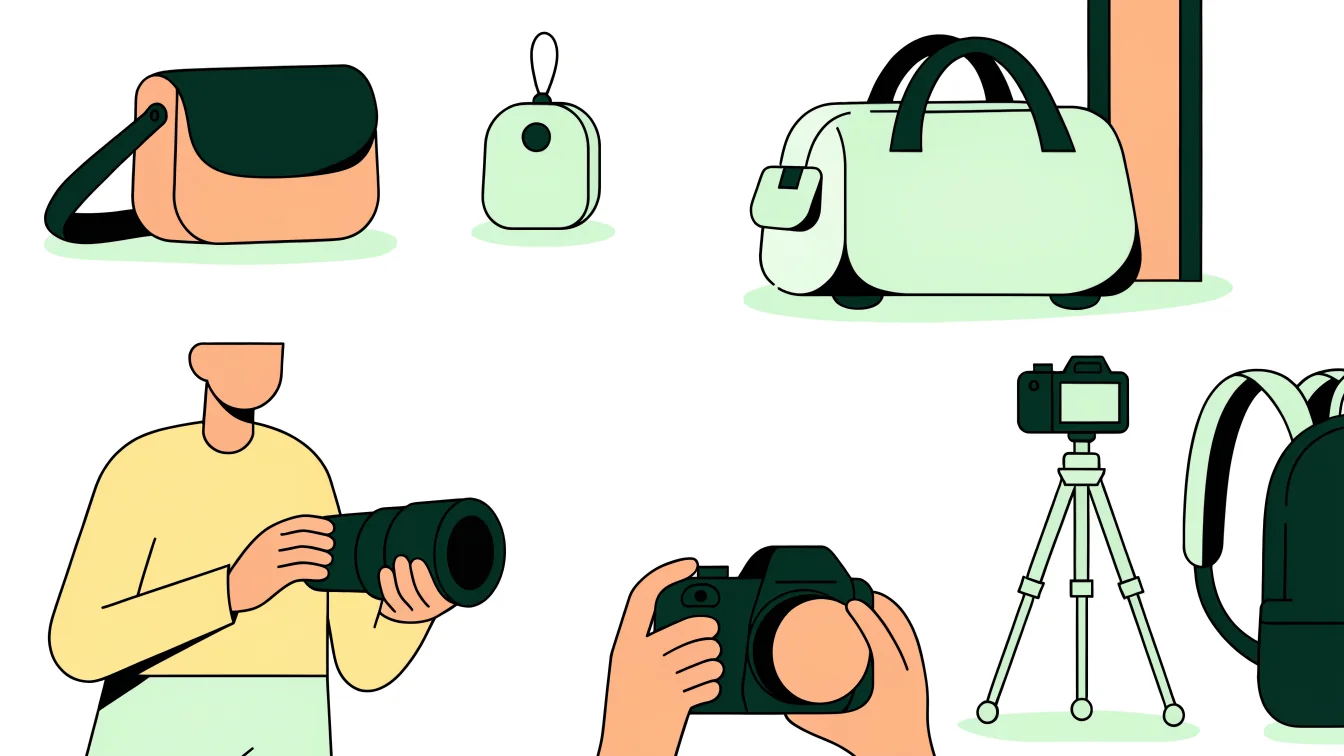
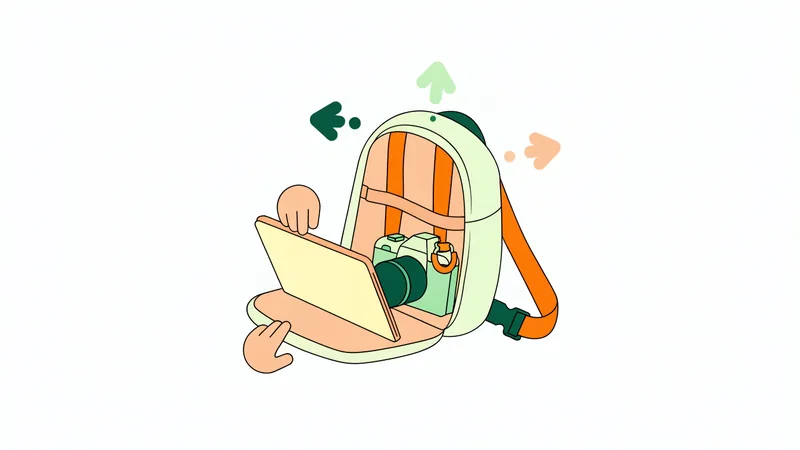
A camera bag has one non-negotiable job — keep a few thousand dollars of body and lenses safe from bumps, weather, and the bottom of a bag — and a second, quieter one: let you actually get to your gear before the moment's gone. Balancing protection against quick access is the whole art of choosing one. This guide covers the types, how the protection works, and how to match a bag to your kit and how you shoot.
We won't rank ten bags we supposedly tested on assignment. Instead: the honest breakdown of sling vs. backpack vs. insert, what actually protects your gear, and the questions that lead you to the right bag — including whether you need a dedicated camera bag at all.
Do you even need a camera bag?
Fair question, and the honest answer is: you need protection and organization for your gear — a dedicated camera bag is the most convenient way to get it, but not the only way. Padded dividers keep lenses from knocking together, a padded base survives a set-down, and quick access means you catch the shot. You can carry a camera in a regular bag — but only with a padded insert (more on that below), because a naked camera rattling against keys and a water bottle is how gear gets scratched and sensors get knocked. So: not strictly a dedicated bag, but definitely dedicated protection.
The types of camera bag
Each style trades access against capacity and protection differently:
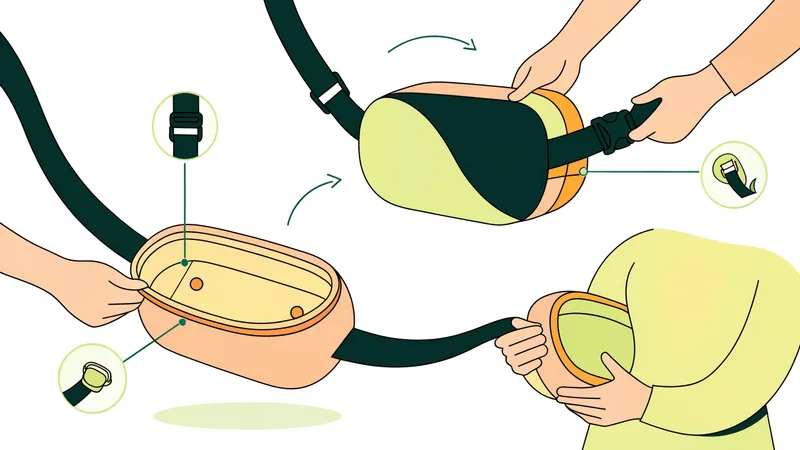
- Camera sling — a single strap worn across the body that you swing to your front to grab the camera without taking it off. Fast access, low profile, great for a body plus a lens or two. The street-photography and travel favorite. (Related: sling bags.)
- Camera backpack — the most capacity, the most protection, and the most comfortable carry for a big kit or a long hike, at the cost of slower access (you take it off to open it). The choice for serious kits, travel, and the outdoors.
- Messenger / shoulder bag — the classic camera bag: medium capacity, reasonably quick side access, a timeless look. Easier to get into than a backpack, but the one-shoulder load tires you with a heavy kit. (Related: messenger bags.)
- Holster / top-loader — a compact bag for a single body with a lens attached. Minimal, light, and fast for a one-camera setup.
- Roller — a wheeled case for heavy studio or pro kits, built for airports and smooth floors rather than trails.
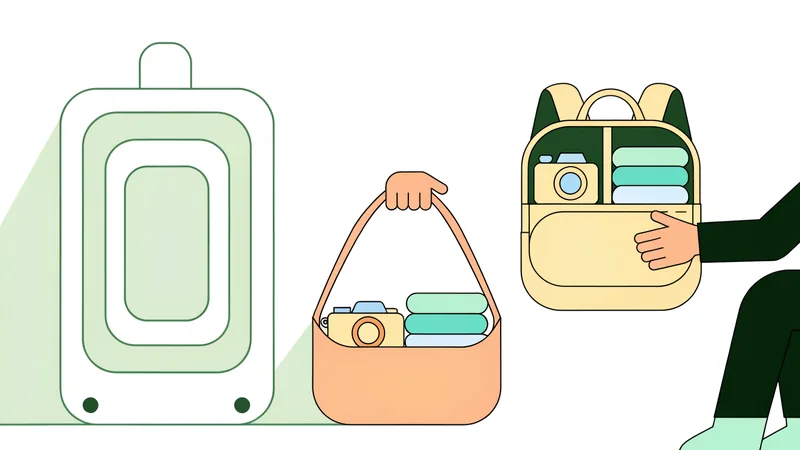
- Camera cube / insert — not a bag but a padded, divided box that drops into a regular backpack or tote and turns it into a camera bag. The most flexible option, and the one that lets one bag do double duty.
The camera cube: how to use a regular backpack
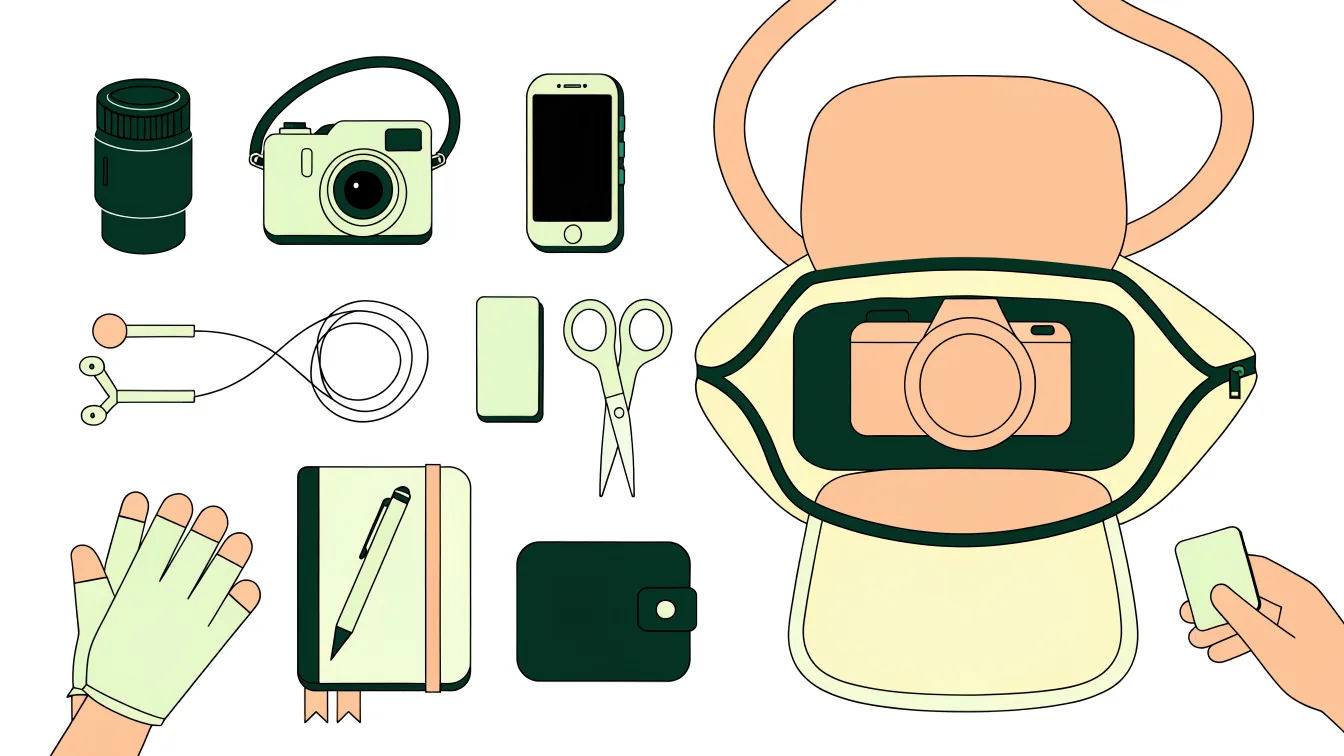
This deserves its own moment, because it answers the most common question. A camera cube (or insert) is a padded, divider-lined box you slide into a normal backpack, tote, or messenger. It gives your gear the same protection and organization a dedicated camera bag would — customizable padded dividers, cushioned walls — inside a bag that doesn't scream "expensive camera in here."
Why it's often the smartest buy:
- One bag, two jobs. Your everyday backpack becomes a camera bag when you add the cube, and a normal bag when you remove it.
- Discreet. A plain backpack draws less attention than an obvious camera bag.
- Flexible. Size up or down the cube to match the day's kit.
If you already own a good backpack, a padded insert is frequently all you actually need.
What actually protects your gear

Protection comes down to a few real features, not marketing:
- Padded, customizable dividers. The hook-and-loop (velcro) dividers you reconfigure to cradle your specific body and lenses so nothing shifts or knocks. This is the core of camera protection.
- Padded walls and a cushioned base. Thick padding all around, and especially on the bottom where a set-down lands. A raised or reinforced base is a real plus.
- Weather resistance. Most camera bags are water-resistant, not waterproof — a coated fabric handles a shower, and many include a stowable rain cover for real downpours. If you shoot in wet conditions, prioritize this.
- Secure, quiet closures. Zippers that stay shut, and (for travel) lockable or hidden zippers to deter theft.
- A laptop sleeve, if you edit on the go — many camera backpacks include one, turning the bag into a full mobile kit.
How to choose a camera bag
Four questions get you there:
- How big is your kit? A mirrorless body and one lens fits a small sling; a DSLR with several lenses, a flash, and a tripod needs a backpack. Buy for the kit you actually carry, not the one you fantasize about.
- How fast do you need access? Street, event, and travel shooting reward a sling or messenger you can get into without stopping. Landscape and hiking, where you set up deliberately, suit a backpack.
- How long and far will you carry it? A heavy kit over a long day or a hike needs a backpack's two-strap comfort; a light kit for a few hours is fine in a sling.
- What else are you carrying? A laptop, personal items, or overnight gear pushes you toward a larger backpack (or a cube inside a travel bag).
Match those and the right style is obvious — then check the protection features above.
Flying with camera gear
The rule is simple and firm: camera gear goes in your carry-on, never checked. Cameras and lenses are fragile and valuable, and the hold is rough; on top of that, lithium batteries must fly in the cabin, so a camera bag full of spare batteries can't be checked anyway. At security your camera bag goes through the scanner like any bag, and a laptop or large electronics may need to come out of it (a bag that opens flat helps). Rules change, so check your airline and security agency before you fly (see our airline baggage rules guide).
Frequently asked questions
Do you really need a camera bag?
You need protection and organization for your gear, and a camera bag is the most convenient way to get it — padded dividers stop lenses knocking together, a cushioned base survives set-downs, and quick access saves shots. But it's not the only way: a padded insert (a "camera cube") gives a regular backpack the same protection. What you should never do is carry a camera loose in an unpadded bag against keys and water bottles.
Can I use a regular backpack as a camera bag?
Yes — with a padded insert (a camera cube). The insert drops into your backpack and provides the customizable padded dividers and cushioned walls that protect your gear, turning any decent backpack into a camera bag. It's often the smartest option: your everyday bag does double duty, it's discreet (no obvious "camera bag" look), and you can swap the cube's size to match the day's kit. A backpack with no padding, though, isn't safe for a camera on its own.
What's the best camera bag for a mirrorless camera?
Because mirrorless bodies and lenses are smaller and lighter than DSLR gear, a compact sling is often ideal — it holds a body and a lens or two, gives fast swing-to-front access, and stays low-profile for street and travel shooting. If you carry more lenses, a flash, or a laptop, step up to a small camera backpack. Size the bag to your actual kit; mirrorless lets you go smaller than DSLR shooters can.
Is a camera sling or backpack better?
It depends on how you shoot. A sling wins on quick access and low profile — swing it to your front and grab the camera without taking it off — which suits street, events, and travel with a smaller kit. A backpack wins on capacity, protection, and carrying comfort for a big kit or a long hike, at the cost of slower access. Fast and light, sling; big and protected, backpack.
Can you bring a camera bag through TSA?
Yes — a camera bag goes through airport security like any other bag, and camera gear should always be in your carry-on, never checked, since the hold is rough on fragile equipment and lithium batteries must fly in the cabin. At the checkpoint, a laptop or large electronics may need to come out of the bag for screening, so a bag that opens flat is convenient. Check your airline and current security rules before flying.
How do camera bag dividers work?
They're padded panels with hook-and-loop (velcro) edges that stick anywhere inside the bag's lined interior, so you can reconfigure the compartments to fit your exact body and lenses. You build snug, cushioned slots that stop gear from shifting and knocking together in transit — the core of how a camera bag protects your equipment. When your kit changes, you just rearrange the dividers to match.
Guides in this section
5 guides sit under this page.