How to match a bag to an outfit
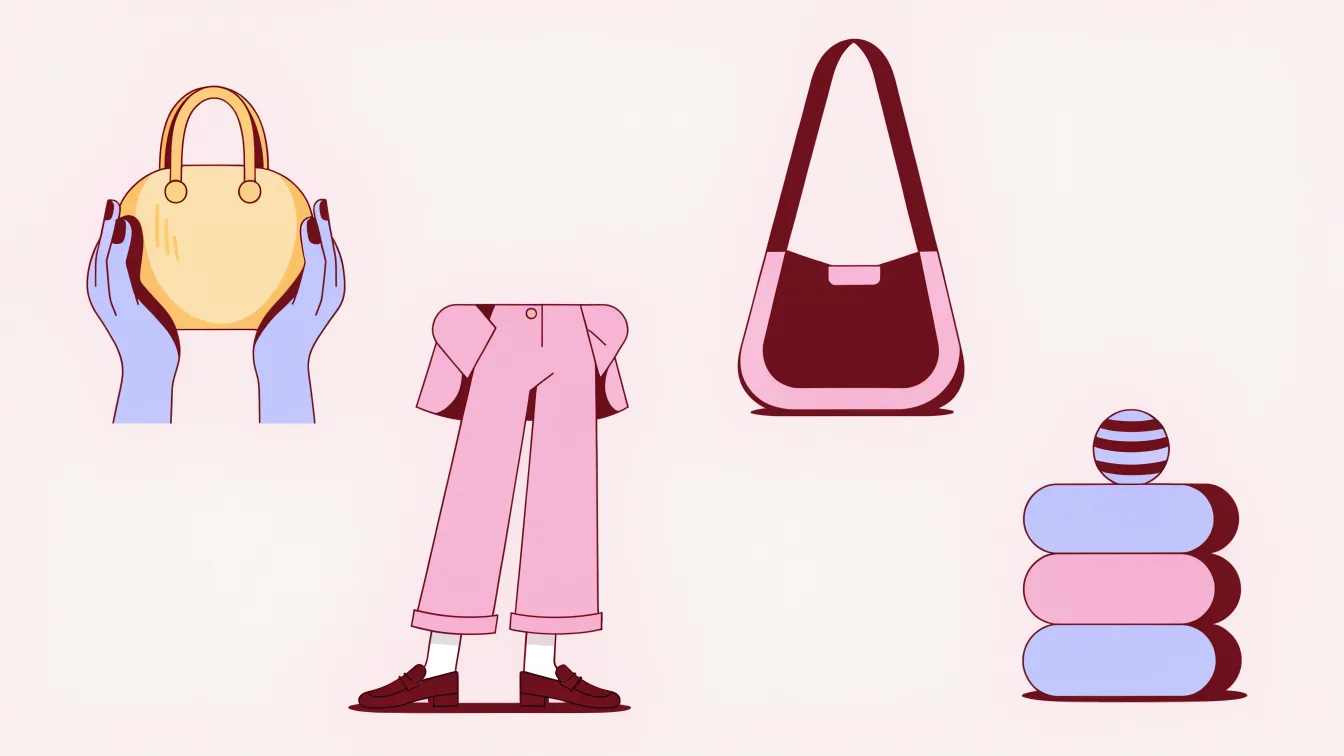
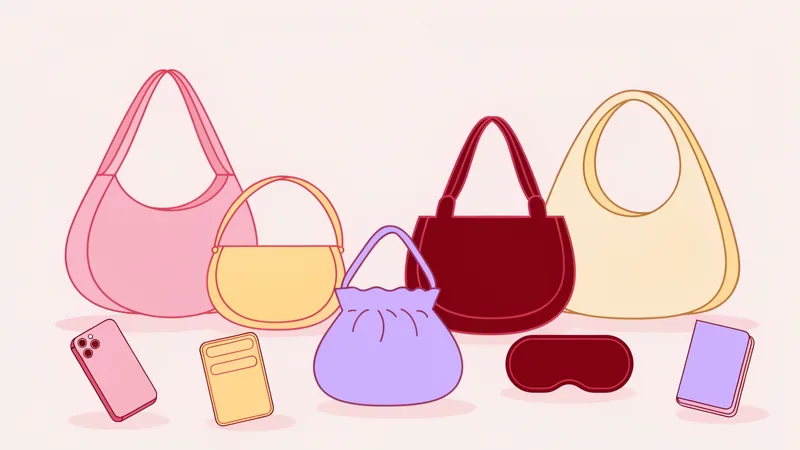
Deciding how to match a bag with an outfit starts with the occasion and what you carry. Then coordinate color, texture and scale. Repeat one detail or choose deliberate contrast. Treat these choices as styling options, not rules.
How to match a bag with an outfit: choose the relationship
Decide what you want the bag to do visually. It can repeat something, sit quietly alongside the clothes or supply a contrast.
Use the table to choose an approach before changing the whole outfit. The pairings are suggestions, not claims about universal good taste.
| Your aim | Bag approach | Outfit example | Detail to compare |
|---|---|---|---|
| A close color connection | Repeat an existing shade | A green bag with green in a printed shirt | Compare the actual shades together |
| A tonal combination | Choose a related variation | A deep brown bag with lighter brown trousers | Decide how much difference you want |
| A quiet background | Keep the bag near a dominant clothing color | A charcoal bag with charcoal outerwear | Consider hardware as well |
| A focal point | Add a contrasting color | A red bag with gray separates | Decide whether another accent is needed |
| Visual repetition without matching color | Repeat a texture or shape | A softly shaped bag with relaxed layers | Keep the carry function practical |
Adobe's palette tool can help you explore color relationships. Use it for ideas, then compare the actual objects.
Try one change at a time. Keep the clothes fixed while you compare the bags you already own.
For a wider choice of shapes, start with the handbags guide.
Start with formality and the job the bag must do
Put the outfit on before choosing the final bag. Include outerwear if you will be wearing it for much of the day.
First, identify any actual requirements from the invitation, workplace or venue. Use those instructions rather than assuming one visual convention applies everywhere.
Next, choose the objects that must come with you. Keep a work device and its usual protection in the packing trial.
A small evening shape is an option for a small evening load. A roomy tote is an option when the day's belongings call for it.
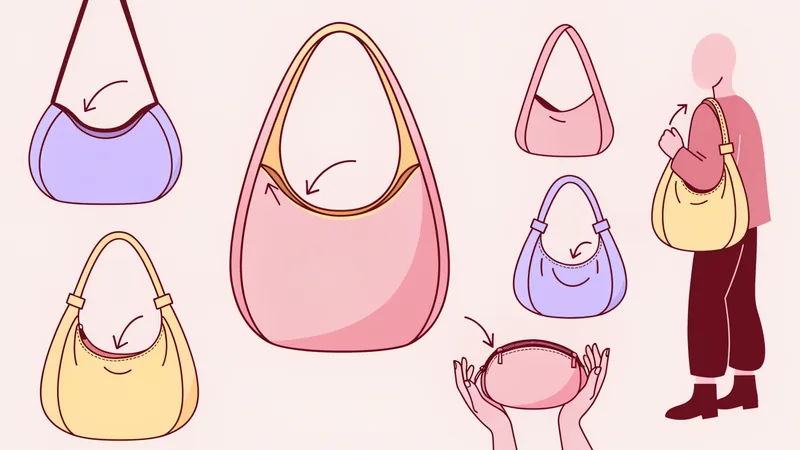
For a coordinated formal look, try a simple outline and restrained detailing. For a relaxed look, experiment with softer shapes or a visibly woven surface.
These are styling suggestions. You can choose contrast when it feels intentional to you.
Before changing bags, test access to the items you expect to use. A pleasing outline should not require leaving an essential item behind.
Use the same process for backpacks, messengers and other men's bag styles. The decision starts with the setting and the job, regardless of the shop department.
Use color and hardware as optional connecting details
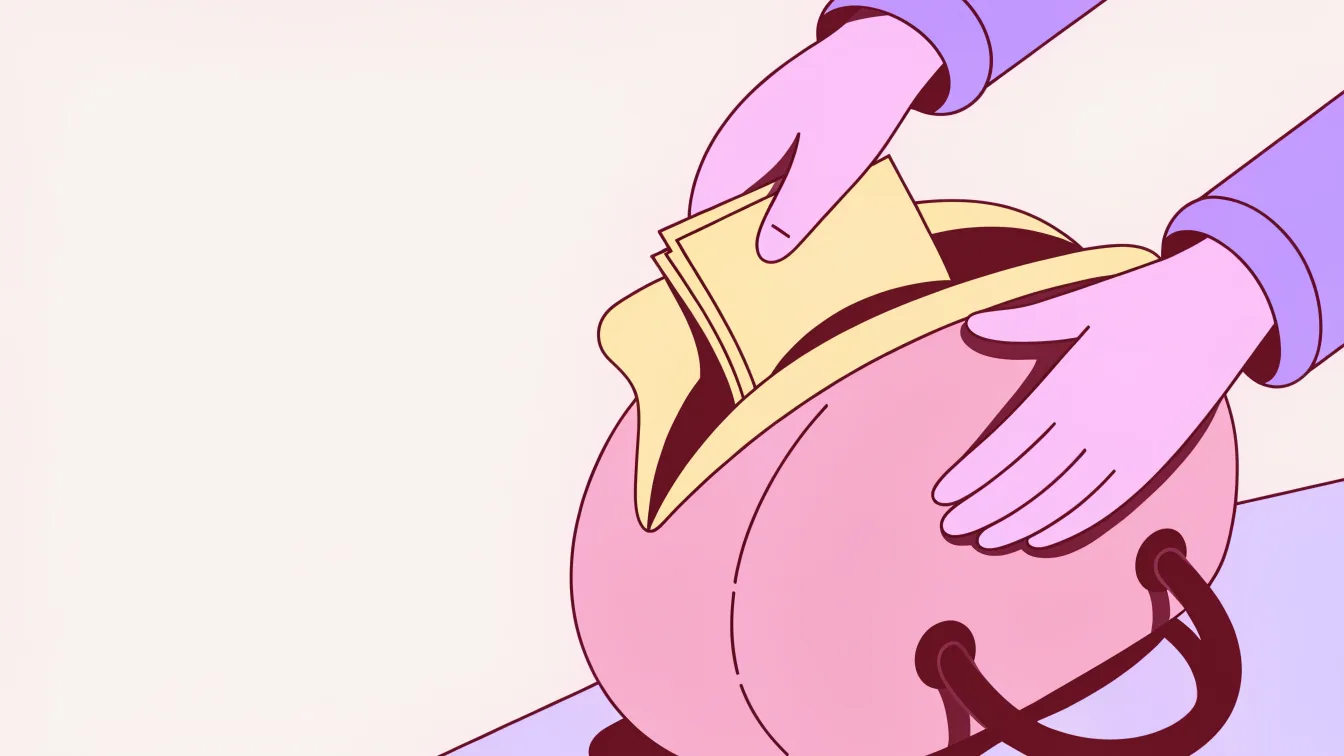
Pick a visible part of the outfit as your starting point. A jacket, scarf, shoe or printed detail can supply the color you repeat.
You do not need to match every accessory. Try connecting the bag to one item and letting the rest of the outfit stand on its own.
For a tonal experiment, place several related shades together. Compare them directly and decide whether you enjoy the small differences.
For contrast, begin with clothes you already feel comfortable wearing. Add the bag, then decide whether to keep or remove other accents.
Adobe describes complementary colors as opposite hues on its color wheel. Treat that relationship as an idea to explore, not a clothing requirement.
Hardware gives you another optional point of connection. Try a warm metal color with jewelry in a similar tone, then compare a mixed version.
Keep whichever you prefer. There is no need to replace useful jewelry simply to match a clasp.
If choosing one everyday shade is the sticking point, use the guide to versatile bag colors.
Compare scale, texture and the way you carry it
Judge the bag beside the complete outfit. Focus on the look you want rather than applying a body-size formula.
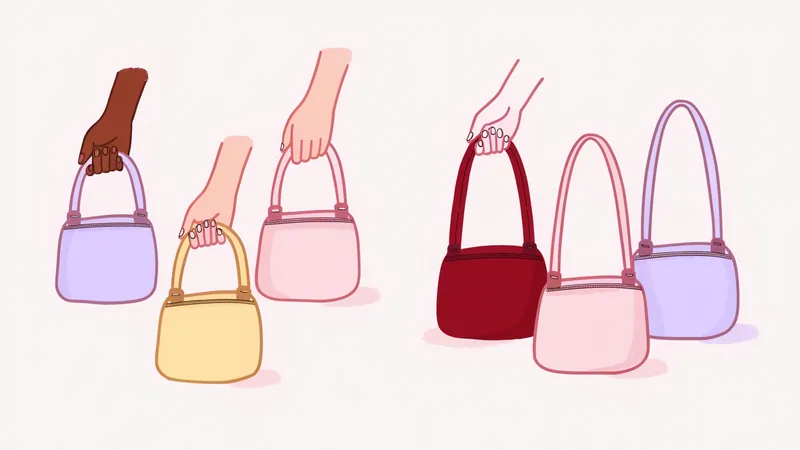
Try the same bag by its handles and by its shoulder strap where both are intended carry options. Compare the position and outline.
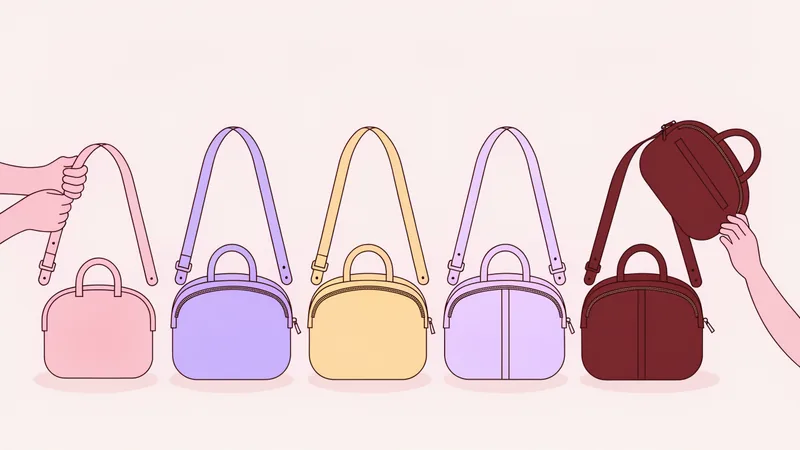
Adjust a crossbody strap while wearing your usual outerwear. Sit down, reach into the bag and move around before deciding on the length.
For texture, try repeating one surface quality. A visibly woven bag with a textured jacket is one possible combination.
Then try contrast. Place a smooth bag beside the same jacket and choose the relationship you enjoy.
Check the maker's care guidance before allowing delicate or heavily dyed surfaces to rub together. Appearance is only one part of that pairing.
Coach gives specific water precautions for its suede. Follow your own bag's instructions rather than assuming every textured finish needs identical care.
For more help assessing the outline, see choosing a bag for your height and frame. Use the examples as choices, without treating any body shape as a problem to correct.
Follow a short sequence and avoid common mistakes
When working out how to match a bag with an outfit, finish the practical decisions first. Then make the visual choice.
- Set out the belongings you need for the day.
- Choose a bag that accommodates them and your preferred carry method.
- Put on the complete outfit, including outerwear.
- Choose one connection: color, texture, shape or hardware.
- Compare that version with a deliberate contrast.
- Keep the combination you prefer after a movement and access trial.
Avoid changing every accessory at once. Leave most of the outfit fixed so you can see what each change contributes.
Avoid choosing a bag from an empty display photo alone. Evaluate the shape after adding your normal belongings.
Avoid treating an exact shoe match as the finishing requirement. Try coordinating with the clothes before deciding whether the shoes need any connection.
For examples of that specific decision, see matching bags and shoes.
Finally, avoid planning only for the moment you leave home. Include the coat, extra layer or work items that belong to the rest of your day.
FAQ
Does my bag have to match my shoes?
No. Treat an exact match as one styling option. You can connect the bag to your coat, a print or a piece of jewelry instead. Try the complete outfit with and without a shoe connection, then keep the version you prefer. Practical fit remains a separate decision.
Can I wear a black bag with brown shoes?
Yes, if you like the combination. Start with the clothes you intend to wear and compare the accessories together. You might repeat black or brown elsewhere, or leave the contrast alone. Use repetition as an optional styling device rather than a requirement to make the pairing acceptable.
Should a patterned outfit have a plain bag?
A plain bag is a useful option when you want to keep attention on the clothing. You can also try a patterned bag. Begin by repeating one color or comparing the pattern scales, then decide whether you enjoy the result. Neither approach needs to become a permanent wardrobe rule.
Can I use a backpack with a dress or tailored outfit?
Yes. Choose a backpack that carries what you need, then compare its outline and details with the outfit. If you prefer a quieter combination, try a simpler surface or a color already present in the clothes. Follow any actual event or workplace requirements that apply to you.