Packing for a camping trip
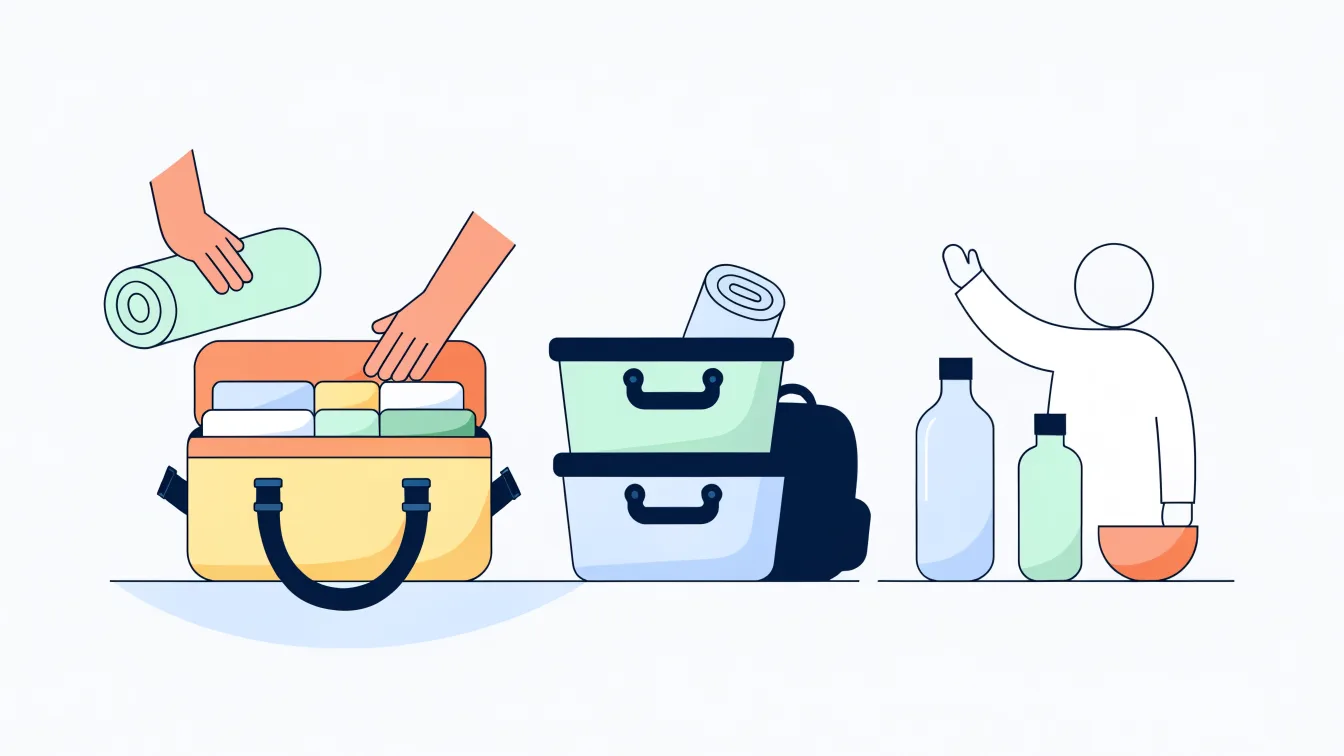
A camping packing list for car camping works well when you separate personal duffels, shared equipment bins, bedding, and chilled food. Organize around the jobs you will do at camp, then adjust the contents for your destination, weather, and planned activities.
Build your camping packing list around separate containers
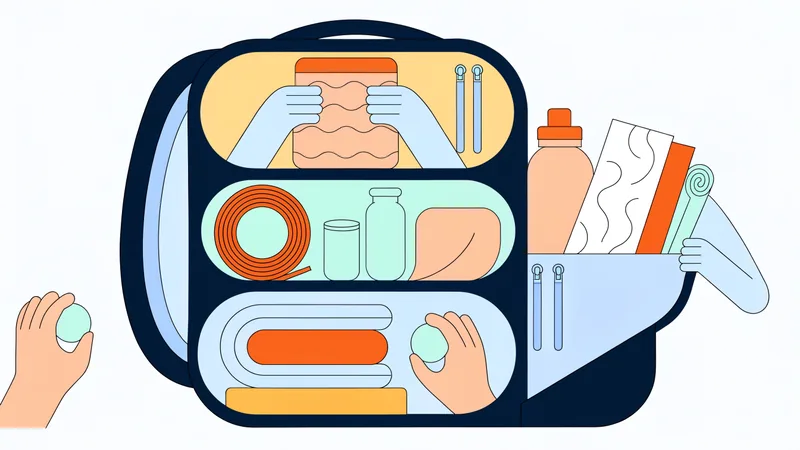
Start with a proposed system: a clothing duffel for each camper, a shared kitchen bin, a shelter bag, and a cooler. Add separate storage for bedding and personal care. These are organizing suggestions, so adapt them to containers you already own.
Assign each container a job before filling it. Keep a paper inventory inside its lid or an outside pocket. Write the container name on your main checklist, rather than leaving every item in one long column.
For example, put the pot, utensils, and washing supplies under “kitchen.” Put the tent body, poles, stakes, and setup instructions under “shelter.” That makes missing components easier to spot during your packing session.
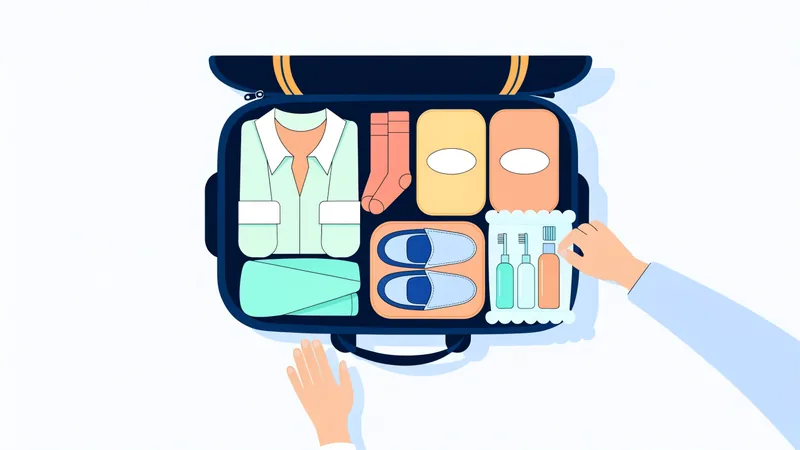
Avoid choosing a duffel capacity before laying out its contents. Pack your actual clothes first, then decide which available bag closes without forcing the zipper. Leave room for your return-trip laundry plan.
Our packing guides cover other trip types. For this trip, organize by campsite task rather than trying to recreate your suitcase layout.
Use a checklist grouped by bag
Use the following as a starting inventory, based on the NPS equipment checklist. The container assignments are suggestions.
| Bag or container | Suggested contents | Packing prompt |
|---|---|---|
| Personal duffel | Clothes, underwear, socks, warm layer, rainwear | Separate daytime clothes from your sleep outfit |
| Bedding bag | Sleeping bag or bedding, sleeping pad, pillow | Keep the complete sleep setup together |
| Shelter bag | Tent, fly, poles, stakes, groundsheet if specified | Count components against the tent instructions |
| Kitchen bin | Stove, pot, utensils, plates, cups, cutting board | Match equipment to your actual menu |
| Cleanup pouch | Soap, basin, cloths, trash bags | Mark clean and used supplies separately |
| Personal-care pouch | Toothbrush, toothpaste, towel, hygiene supplies | Make it easy to remove for required storage |
| Cooler | Perishable meals, ice or cold packs, thermometer | Follow the food-handling guidance below |
| Ready-access daypack | Navigation, light, first aid, extra layers, water | Tailor to the NPS safety list |
Add your own final column for “packed,” “assigned to someone,” or “not needed.” Cross out items deliberately rather than leaving blank boxes you cannot explain later.
Give each shared item one named owner. Ask that person to bring the complete kit, including its small components. Keep personal medication instructions separate from the shared equipment inventory.
Pack in the order you will set up camp
Work backward from arrival. Imagine parking, finding your site, putting up shelter, preparing a meal, and settling down for the night.
- Assemble shelter at home. NPS recommends testing equipment before departure, including checking components and practicing unfamiliar tasks.
- Lay out the sleeping setup. Pair each camper's bedding with the intended pad and pillow. Put names on similar storage sacks.
- Build the kitchen kit from a meal. Walk through preparing your first dinner, serving it, and cleaning afterward. Add only the utensils those tasks require.
- Place arrival items together. Choose an accessible position for the shelter bag, rainwear, and lighting. Keep your reservation information with your travel documents.
- Rehearse unloading. Lift out the containers in the sequence you expect to use them. Adjust the arrangement before departure.
Make a separate transport plan for fuel and equipment requiring special handling. Follow each maker's manual for storage, transport, setup, and operation.
For the drive itself, use the road trip packing guide to organize what you want available between home and camp.
Give food and water their own plan
Write a simple menu before allocating cooler space. NPS recommends consolidating meals and cooking equipment, such as choosing meals that use one pot. List ingredients by meal, then combine duplicate entries before packing.
Keep your first dinner easy to identify. Put its shelf-stable ingredients together and label the corresponding chilled ingredients. Add a separate breakfast pouch so the morning meal does not require unpacking the whole kitchen.
FDA advises wrapping raw meat securely and keeping its juices away from other food. Consider separate beverage and food coolers, as FDA suggests, if your space allows.
Use a thermometer rather than a guess about the cooler's temperature. FDA says discard perishable food left out beyond two hours, or one hour above 90°F.
Plan water for drinking, cooking, and cleaning, as NPS explains. Verify the campground's supply before choosing your containers. Add refill locations to your itinerary. For container options, see the cooler bag guide.
Keep food-storage rules separate from ordinary organization
A kitchen bin is an organizing tool. Treat wildlife storage as a separate destination requirement. NPS advises checking the campground's food-storage regulations before you travel.
Yosemite provides a useful example of why location matters. Its rules include toiletries, trash, and empty coolers among items requiring proper storage. At its campgrounds, food belongs in the provided lockers, and food cannot remain in cars after dark.
Those are Yosemite instructions, checked November 2026. Read your destination's current page rather than applying that example to every campsite. Design your packing system around the instructions you find there.
Make removable groups for anything requiring special storage. Label the relevant pouches and include a departure-day sweep of car pockets and seats. At camp, use your inventory to account for all those groups before bedtime.
The same approach applies to personal-care supplies. Keep them identifiable and accessible, instead of scattering small bottles through clothing bags. Your camping packing list should include where items belong overnight, alongside what to bring.
Common mistakes to avoid
Packing by empty space. Resist filling every spare corner with loose equipment. Give each item a named home and remove optional duplicates before loading.
Assuming a checklist replaces preparation. NPS emphasizes matching equipment to setting, season, access, and trip duration. Add a trip-specific note beside any item whose suitability needs attention.
Treating enclosed shelter as a place for fuel-burning equipment. CPSC warns about carbon monoxide from camping equipment, including portable heaters and lanterns used while sleeping in enclosed areas. Follow equipment warnings and the maker's manual.
Leaving the return trip unplanned. Reserve a labeled bag for laundry and a separate container for used kitchen supplies. Add a home-arrival task list for unpacking, cleaning, and following the maker's drying instructions.
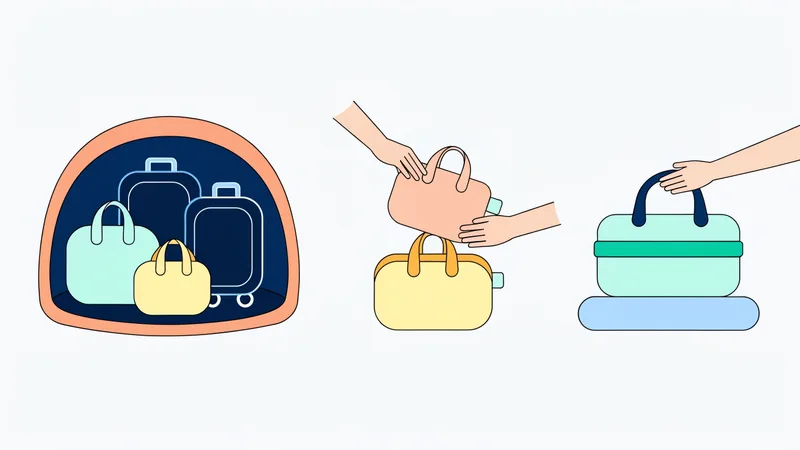
Buying containers before measuring the load. Arrange your gear in the intended vehicle first. Decide what can stay home before adding another bin.
Keep these safety points as general guidance. Discuss individual medical needs and suitable activities with your clinician before traveling.
FAQ
What should I pack for my first car camping trip?
Start with shelter, bedding, clothes, food, water, cooking equipment, and hygiene supplies from the NPS checklist. Add the safety equipment suited to your activities. Organize the shared items by task, assign someone to each kit, and practice setting up the equipment before leaving home.
Should I use duffels or plastic bins for camping?
Try duffels for personal belongings and bins for shared equipment. This is an organizational choice, so use what works with your gear and vehicle. Lay everything out before selecting containers. Keep any items subject to campground food-storage requirements in removable groups, regardless of which container you choose.
Can I leave my cooler in the car overnight?
Follow your campground's rules. For example, Yosemite prohibits storing food in cars after dark and requires campground food lockers. Do not assume a closed trunk satisfies your destination's requirements. Read the local instructions and plan where the cooler and related items will go before arrival.
How do I avoid forgetting small camping items?
Use a camping packing list grouped by container, with a named owner for every shared kit. Walk through setting up shelter, preparing dinner, cleaning, and getting ready for bed. Add the small components each task needs. Photograph your final layout and keep your own inventory for the next trip.
Sources
- nps.gov/subjects/camping/what-to-bring.htm
- nps.gov/articles/camp-safety-before-the-trip.htm
- nps.gov/subjects/camping/cooking-in-camp.htm
- fda.gov/food/buy-store-serve-safe-food/handling-food-safely-while-eating-outdoors
- nps.gov/yose/planyourvisit/bears.htm
- cpsc.gov/s3fs-public/SafetyAlert_5008_CampingEquipmentPortableHeater.pdf