How to pack a carry-on for a week
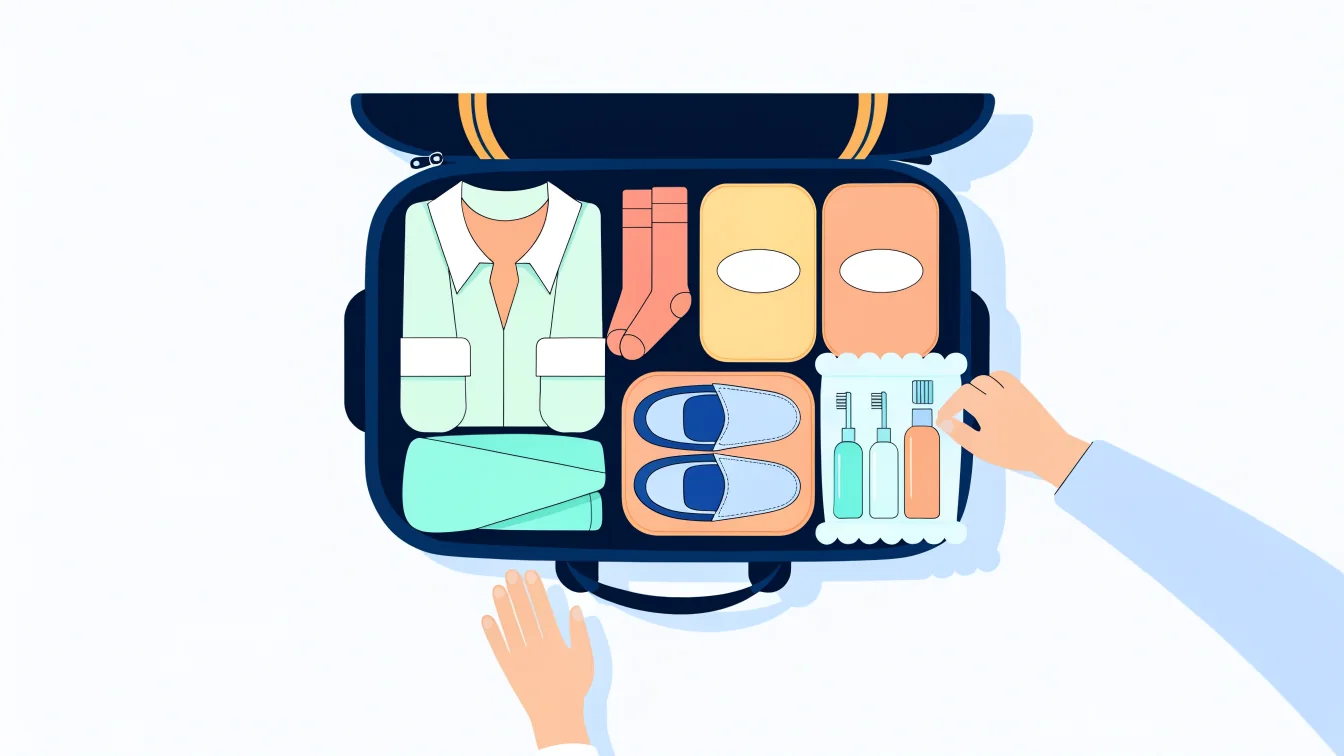
How to pack a carry-on for a week comes down to a short list: two bottoms, four tops, at most two pairs of shoes and one midweek wash. Build one compact seven-day wardrobe, keep toiletries compliant with screening rules, and leave space for items you will use in transit.
What you need
- The empty carry-on
- A toiletries pouch and a quart-size clear zip-top bag for liquids
- One or two small packing cubes
- A laundry bag
- A shoe pouch
- Travel documents, chargers and medication
- One outfit for a weather change (check the forecast first)
A sample seven-day clothing list
| Item | Sample quantity | Packing note |
|---|---|---|
| Tops | 4 | Choose pieces compatible with every bottom |
| Bottoms | 2 | Wear the bulkiest pair in transit |
| Underwear | 7 | Pack more only if your routine requires it |
| Socks | 5–7 pairs | Adjust for sandals or laundry access |
| Sleepwear | 1 set | Choose a compact fabric |
| Light layer | 1 | Wear or place at the top |
| Workout or swim outfit | 0–1 | Only for a planned activity |
| Shoes | 1 spare pair | Wear the bulkier pair |
| Laundry bag | 1 | Separate worn from clean clothing |
This is a starting template. Warm weather and an informal dress code need less volume than cold weather or events requiring formal clothing. If you have laundry access, replace some extra pieces with a plan to wash them midweek.
One extra top often helps more than a third bulky pair of pants. Multiple outfits can come from repeating the same bottom with different tops. Think in combinations instead of seven completely separate looks.
How to pack a carry-on for a week in eight steps
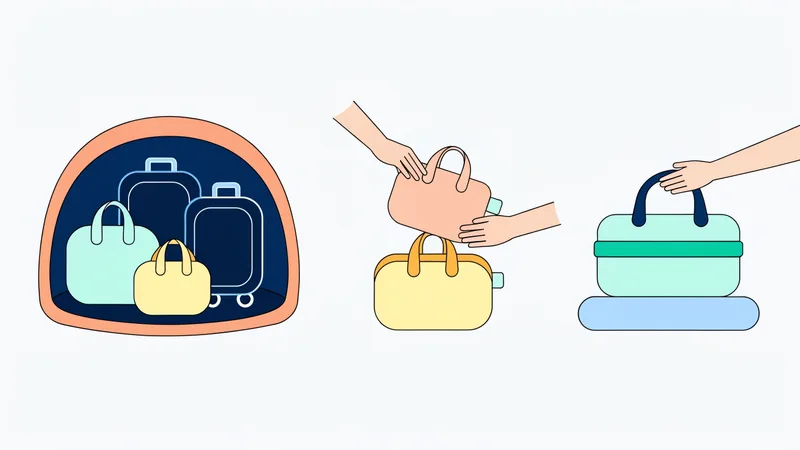
- Confirm the permitted size. Read your operating airline's current rules, including any connecting carrier, then measure the packed bag with wheels and handles included. A "carry-on" label on a suitcase is not a guarantee.
- Build outfits before packing. Lay out two bottoms and several compatible tops. Remove pieces that do not work with at least two outfits, unless needed for a specific event.
- Wear bulky items. Put your largest shoes and outer layer on for travel day when practical.
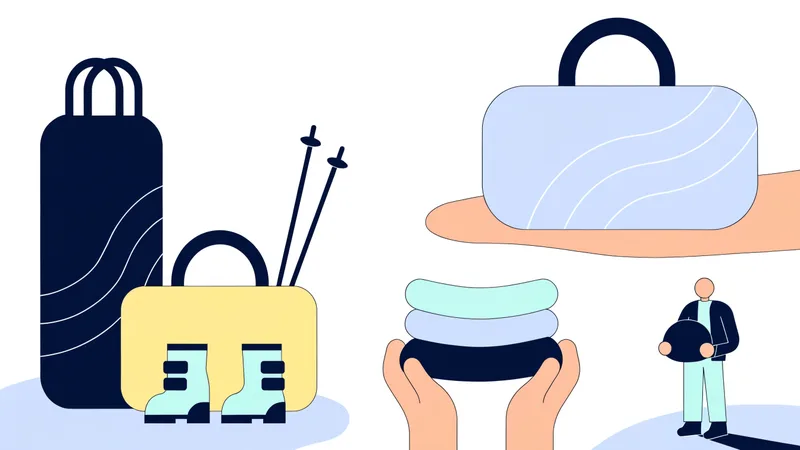
- Pack shoes first. Use a shoe pouch or clean protective wrap to prevent soles touching clothes. Position them against a stable edge of the bag.
- Add folded or rolled clothing. Use the method that produces the neatest stack for that fabric. Put wrinkle-sensitive items in loose, flat folds and fill small spaces with socks.
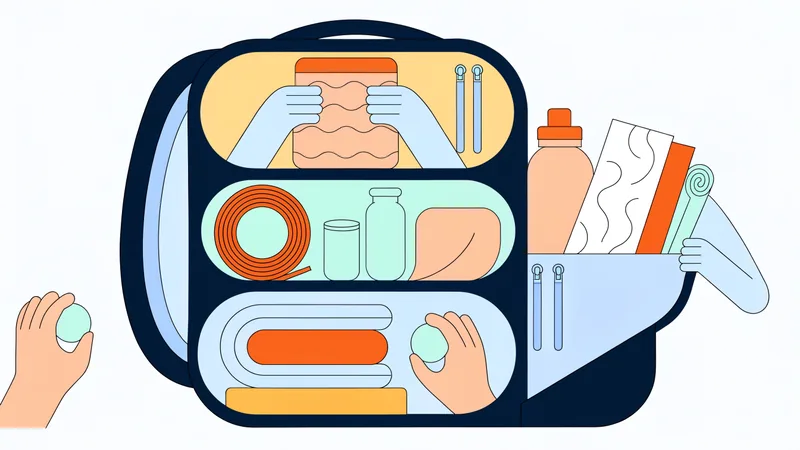
- Keep dense items balanced. Avoid one heavy corner. For backpacks, REI's loading guide puts denser, heavier items in the pack's middle, or core, zone.
- Place toiletries and electronics where accessible. TSA notes that separating the liquids bag from your carry-on helps screening, so keep it easy to reach. Keep medication and ID in a pocket you can reach without unpacking.
- Close and test-lift. Zip the case without forcing it. Carry or roll it through the house. Remove nonessential items if the bag feels unwieldy.
Packing layout for different carry-on styles
| Bag type | Base or rear zone | Middle zone | Quick-access zone |
|---|---|---|---|
| Hard-shell spinner | Shoes, structured items | Clothing cubes, flat garments | Toiletries near opening or exterior personal item |
| Soft-sided suitcase | Heavier shoes near wheel end | Clothing stacks | Exterior pocket for permitted essentials |
| Travel backpack | Soft buffer and heavy items close to back | Clothing cubes | Top or outer pocket for jacket and documents |
| Duffel | Protected shoes along bottom | Larger folded clothing | Small zipped pouch on top |
Where a hard-shell case splits into two compartments, keep toiletries in a location that does not require unpacking everything. The ideal layout depends on the hinges, pockets, and how the bag opens at a screening station.
Toiletries and liquids: pack for the actual rules
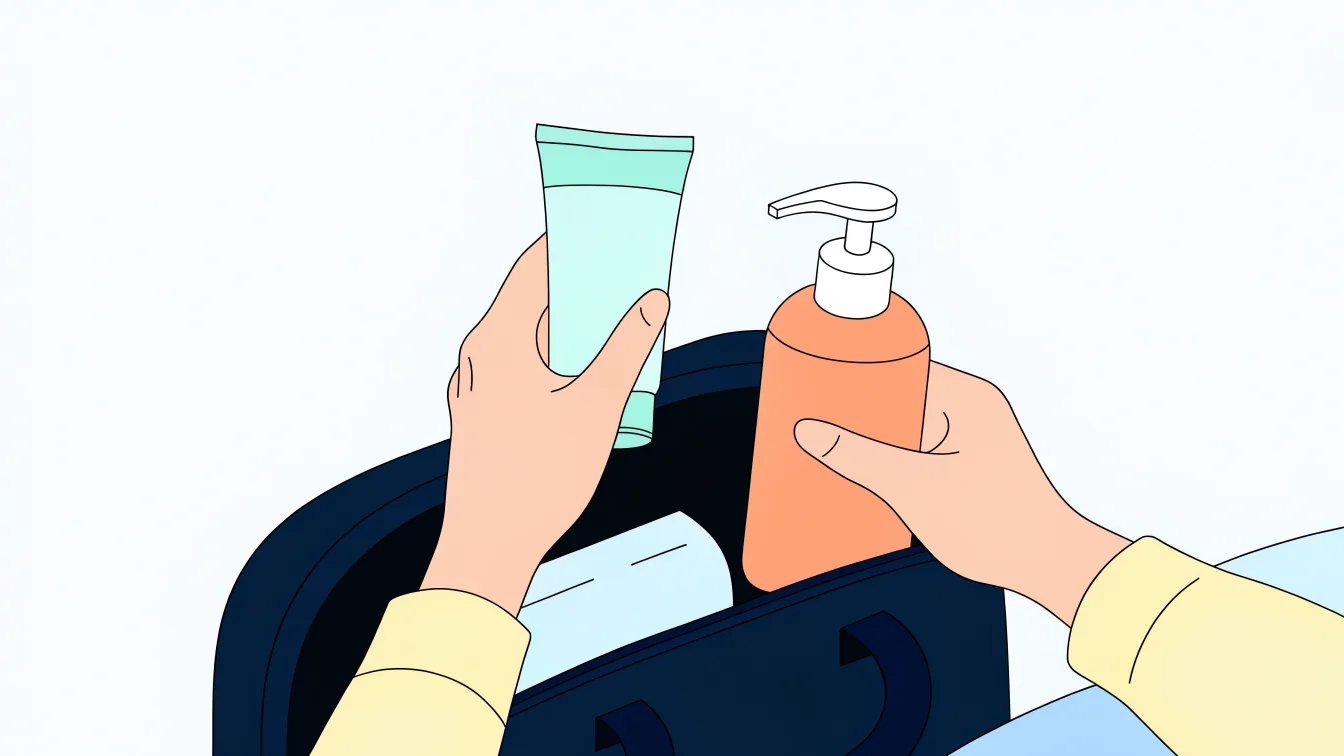
TSA's travel tips summarize the usual 3-1-1 rule for carry-on liquids, gels, and aerosols: containers of 3.4 ounces or less, all fitting in one clear quart-size zip-top bag, with one such bag per passenger. Exceptions apply to medically necessary liquids and formula, breast milk and baby food; check current TSA guidance for your situation (checked November 7, 2026).
A large half-empty bottle is not automatically acceptable. The rule applies to container capacity. Put refillable containers in a leak-resistant secondary pouch, and check lids before leaving home.
Flying home from outside the United States? Check that airport's own liquids rule, which can differ.
Clothes: rolling, folding, or compression?
Rolling can organize soft shirts and casual clothes efficiently. Folding is sensible for structured shirts, jackets, and items that wrinkle sharply. Neither technique guarantees a specific amount of saved space.
Compression cubes can reduce the volume of flexible clothing. They are less useful for bulky shoes, rigid toiletries, or garments that crease easily. Compression also makes it possible to exceed airline weight limits without realizing it.
Use one packing cube per clothing group, not one cube for every day. A single underwear-and-socks pouch and one main clothing cube are usually easier to manage than an elaborate color-coded system.
Keep worn clothes in the laundry bag and wet swimwear separate until it dries.
What not to do
Do not pack a week's worth of brand-new clothes without trying them on together. Do not rely on expansion zippers to rescue an overstuffed case. Expanded dimensions may exceed the operator's permitted size.
Do not put a full-size liquid container into the standard carry-on liquids bag and assume it passes because little remains inside. Do not bury identification or medication underneath your shoes.
Keep electronics together near the top so they come out quickly at screening. Rules for electronic items and batteries can differ, so consult official guidance for the device and airline.
A final two-minute check
Ask four questions before you leave:
- Can I wear each major piece more than once?
- Can I get the liquids bag out without unpacking?
- Does the bag meet my airline's size and weight limits?
- Can I close it and move it without strain?
If yes, you have worked out how to pack a carry-on for a week. For the bag itself, compare carry-on luggage, packing cubes, and the guide to suitcase size by trip length. See packing guides for other trip styles.
FAQ
Can you really pack seven days into a carry-on?
Often, yes, especially for warm weather or a trip with flexible clothing and laundry access. Your wardrobe's volume depends on fabric, shoes, and dress requirements.
Plan repeatable outfits rather than packing seven unrelated complete ensembles. Check the airline's size and weight rules before leaving.
How many pairs of shoes should I take for a week?
For a simple trip, wear one pair and pack one additional pair. Bring more only when the trip requires specialized footwear, formal attire, or a distinct activity. Shoes are bulky, so make the choice while looking at your full outfit plan.
Should I roll or fold clothes in a carry-on?
Use both. Roll soft everyday clothes if it makes them easier to organize; fold tailored garments along their natural seams.
Test a short stack in your actual case. A method that looks compact on a table may not suit the suitcase's shape.
Can my toiletries stay in a separate pouch?
The standard TSA 3-1-1 carry-on liquids rule requires qualifying containers to fit in one quart-size clear zip-top bag. You can store nonliquid toiletries separately. Keep the liquids bag accessible and review any applicable exceptions before travel.
Do packing cubes save luggage weight?
No. Packing cubes mainly separate and organize belongings. Compression can make clothing occupy less room but does not remove mass. Check the entire packed bag's weight rather than relying on how easily the zipper closes.