What you can and cannot pack in a carry-on
Rules change. Confirm with the operator before you travel.
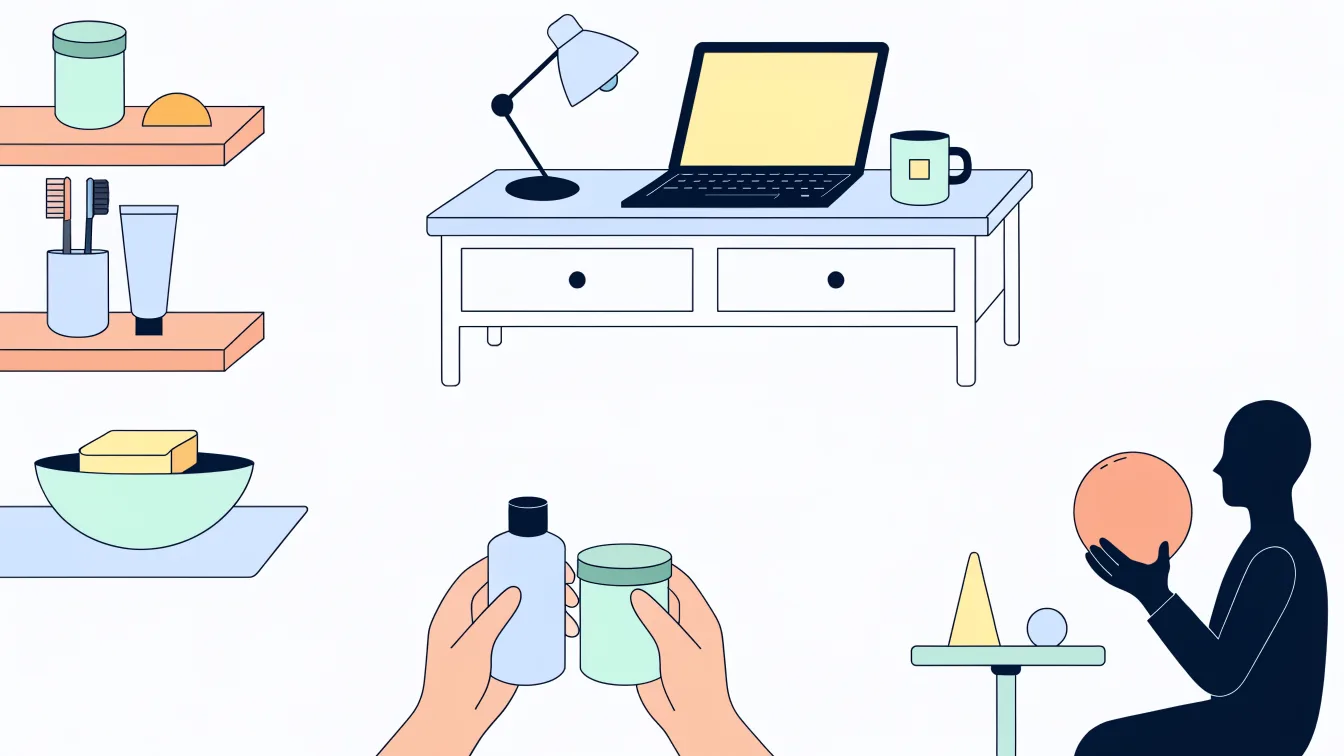
What can you bring in a carry on: solid food and laptops are permitted, while liquids and power banks need special handling. Its item directory explains item restrictions. Airlines also set baggage limits.
TSA answers: what can you bring in a carry on?
The following US checkpoint rules were checked in November 2026. Each row links to TSA's own guidance; permissions still involve screening.
| Item category | Carry-on position | Packing action |
|---|---|---|
| Solid snacks, such as bread | Permitted | Keep accessible if officers request separate screening; TSA directory |
| Shampoo, toothpaste, peanut butter | Containers of 3.4 ounces (100 milliliters) or less | Include within the ordinary liquids allowance; TSA directory |
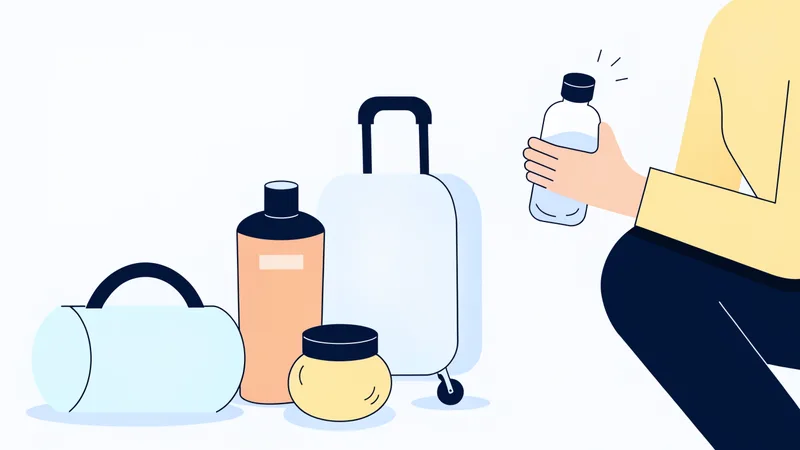
| Empty water bottle | Permitted | Empty it before joining screening; TSA directory |
| Laptop | Permitted | Prepare for screening instructions; TSA directory |
| Disposable razor | Permitted | Keep the blade assembly protected; TSA directory |
| Safety razor with removable blade | Holder permitted without blade | Remove the blade before the checkpoint; TSA directory |
| Scissors | Less than 4 inches from the pivot | Measure the blade from its pivot, not the handle; TSA directory |
| Ordinary sharp knives | Prohibited | Exceptions include plastic cutlery and butter knives with rounded blades, blunt edges, and no serrations or teeth. Butter knives must not exceed common table-knife length; TSA directory and TSA knife rule |
| Fireworks | Prohibited in cabin and checked bags | Leave them out of all luggage; TSA directory |
Use this table as a sorting tool. A positive entry describes the item, rather than promising that an entire packed bag will pass.
Separate liquids, food, and electronics before packing
Start with an empty bag, including its smaller pockets. The FAA recommends this approach so previous contents do not accidentally travel with you. Its carry-on guidance also advises confirming airline limits before packing.
Create separate groups for ordinary toiletries, food, and electronics. That gives you a clear place to make each packing decision.
For toiletries, read the container capacity. TSA's limit concerns containers, so a little shampoo inside a larger bottle does not solve the problem. Use the liquids guide for exemptions and a more detailed packing method.
For food, distinguish solid snacks from spreads. TSA allows solid food but applies liquid limits to peanut butter. Its directory also warns that food may need separate screening.
For electronics, place the charging bank somewhere you can reach before surrendering the suitcase. The FAA requires spare lithium batteries to stay in the cabin during gate-checking. Read its electronic-device guidance.
Keep charging cables with the device they serve. Treat that as an organization choice, rather than another airport requirement. The goal is to avoid unpacking everything to find one item.
Exceptions for medication and infant feeding
Medically necessary liquids follow a separate screening process. TSA permits reasonable quantities exceeding the ordinary container limit, but you must declare them before screening. Present associated supplies separately, following its medical guidance.
Do not pour medication into a smaller bottle merely to match ordinary toiletries. Follow the medicine's storage instructions, and consult your pharmacist about suitable travel packaging.
Formula, breast milk, toddler drinks, and baby or toddler food can exceed 3.4 ounces (100 milliliters). These items do not need to fit inside the quart bag. TSA explains the exemption in its children's travel guidance.
Keep this feeding kit together, then tell the officer what it contains. TSA requires separate screening and may use additional procedures. Cooling accessories are included in its guidance, including partially frozen or slushy packs.
For family travel, decide who will present the feeding kit before reaching the checkpoint. Put it where that person can retrieve it without opening every compartment.
These are general screening guidelines. They do not establish safe medication temperatures or infant-food storage times; use professional advice and product instructions for those decisions.
What happens if you get it wrong
TSA states that the final checkpoint decision rests with its officer. A directory entry cannot guarantee clearance when an item raises a security concern.
If an item is stopped, establish which restriction applies before choosing what to do. A liquid problem, an airline baggage problem, and a dangerous-goods problem need different responses.
Do not assume moving something into checked luggage makes it acceptable. TSA lists fireworks as prohibited in both locations. It lists power banks as carry-on only. See the item directory.
Similarly, passing security does not settle your airline's baggage rules. The FAA notes that carriers can impose stricter limits on the number and size of cabin items. Its baggage guidance recommends confirming these before packing.
For example, leave yourself a practical way to remove cabin-only contents if the suitcase must go into the hold. A small pouch is useful here.
Keep unfamiliar tools, chemical products, and hobby equipment on your research list until you have identified the exact item. Avoid deciding from a broad category name alone.
Before you go: a bag-by-bag checklist
Use the airline baggage rules hub to separate operator allowances from security restrictions. Review smart luggage and battery rules if your case has a charging feature.
The checklist below combines packing suggestions with the official limits already linked above. The arrangement is optional; the applicable limits are not.
| Bag or compartment | What to organize | Final action |
|---|---|---|
| Main cabin bag | Clothing and ordinary belongings | Empty all old pockets first |
| Accessible liquids pouch | Ordinary liquid toiletries and permitted spreads | Match container capacities to TSA's allowance |
| Personal bag | Power banks and essential electronics | Keep removable batteries accessible for gate-checking |
| Medical pouch | Medication and associated supplies | Prepare to declare necessary liquids separately |
| Feeding kit | Infant or toddler nourishment and cooling accessories | Prepare for separate screening |
Measure and weigh the packed bag against the operating carrier's limits. Use the luggage weight guide to build that step into your routine.
Save the relevant official pages for your departure and return. Rules change, and another country's checkpoint may use different limits.
Finally, leave the liquids pouch and battery pouch accessible after packing. A perfect arrangement under several layers is less useful when an officer needs to inspect it.
FAQ
Can I bring food in my carry-on?
Yes, TSA permits solid food, including bread. Spreads such as peanut butter follow the liquid-container restriction instead. The TSA directory also notes that officers may request separate food screening. Choose accessible packaging, and research destination food-import requirements separately before an international trip.
Can I take a razor on a plane?
TSA permits disposable razors. A safety razor with a removable blade must have that blade removed before the checkpoint. These entries appear separately in its item directory. Identify the razor type first; the word “razor” alone does not tell you which rule applies.
Does a personal item have different security rules?
Putting something into a handbag or backpack does not change its item restriction. TSA's liquids allowance is one quart bag per passenger. If your question is “what can you bring in a carry on,” use the same item-by-item approach for both cabin bags.
What should I remove if my carry-on is gate-checked?
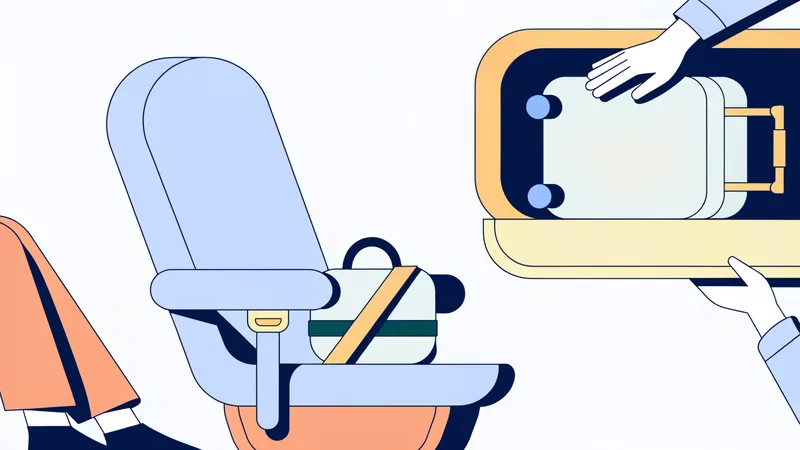
The FAA advises removing spare batteries and lithium-powered devices, including power banks, phones, and laptops, to keep them in the cabin. See its gate-check guidance. Prepare an accessible personal bag before boarding so the change does not require a complete repack at the gate.
Sources
- downloads.regulations.gov/TSA_FRDOC_0001-0610/content.pdf
- tsa.gov/travel/security-screening/whatcanibring/all
- tsa.gov/travel/security-screening/whatcanibring/all-list
- tsa.gov/travel/security-screening/liquids-aerosols-gels-rule
- tsa.gov/travel/frequently-asked-questions/liquids-aerosols-and-gels-rule
- tsa.gov/travel/tsa-cares/disabilities-and-medical-conditions
- tsa.gov/travel/tsa-cares/traveling-children
- faa.gov/hazmat/packsafe/portable-electronic-devices-with-batteries
- faa.gov/travelers/prepare_fly/baggage