How to clean a backpack
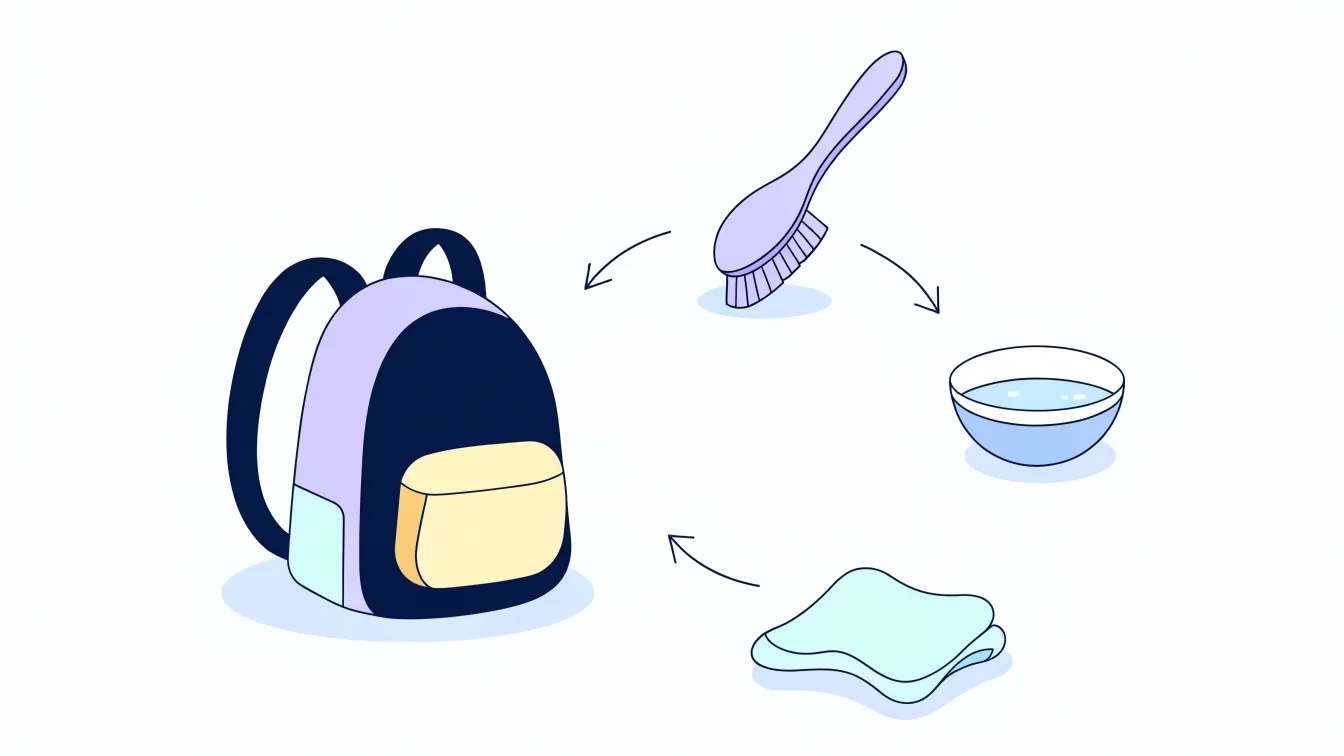
To clean a backpack, empty it, brush out loose dirt, spot-clean with mild soap and lukewarm water, rinse the soap out and air-dry it fully. The care label decides how to clean a backpack, so check it before using water. For many technical packs, hand washing beats the machine.
What you need
- A clean soft cloth or sponge.
- A soft brush or old toothbrush for seams.
- Lukewarm water, if permitted by the label.
- Mild soap or a cleaner approved for the backpack material.
- A towel and a well-ventilated drying location.
Skip bleach, strong stain removers and the washing machine. Different backpacks have coated panels, stiffeners, adhesives, frame components and delicate foam. The care label or the maker's care page comes first and overrides every step below.
How to clean a backpack step by step
- Empty every pocket. Remove loose papers, crumbs, pens and anything hidden in a small compartment.
- Check the instructions. Read the sewn-in label or maker's care page. Some packs permit hand immersion; others call for surface cleaning only.
- Remove detachable pieces. If the manufacturer allows it, take out frame sheets, straps or a rain cover that needs separate care.
- Brush out dry debris. Open every zipper, tip the backpack upside down and brush loose dirt from the lining, seams and zipper channels.
- Test a hidden patch. Apply a small amount of your proposed cleaner to an inconspicuous area. Stop if color transfers or the finish changes.
- Spot-clean first. Use a damp cloth and a little mild soap on soiled areas. Work gently, without grinding dirt into the fabric.
- Hand wash only if the label allows it. Fill a tub or large sink with about 6 inches of lukewarm water and a little mild soap. Clean the pack gently with a sponge or soft brush. Do not wring padding or coated fabric.
- Remove soap residue. Wipe or rinse until the surface is clear. Residue attracts dirt.
- Dry in moving air. Open compartments and position the bag so water can escape. Keep it away from direct heat and tumble dryers.
- Check for trapped dampness. Feel inside padded straps, bases and pockets before replacing contents and storing the pack.
REI's pack care guide describes light cleaning and deeper hand washing, subject to maker instructions. Deuter explicitly cautions against machine washing its packs.
Cleaning methods by material
| Material or feature | Safer starting approach | Main caution |
|---|---|---|
| Standard nylon or polyester | Damp cloth and mild cleaner | Coatings may not tolerate harsh detergents |
| Coated or laminated fabric | Follow maker's surface-clean instructions | Abrasion and heat can damage layers |
| Canvas | Spot-clean first | Color transfer and shrinkage are possible |
| Leather accents | Follow leather-specific instructions | Do not soak or treat as ordinary fabric |
| Mesh pockets | Gentle wipe or soft brushing | Aggressive scrubbing can snag mesh |
| Foam-padded straps | Light cleaning and careful drying | Water can stay trapped deep inside |
| Rain cover | Separate gentle surface cleaning | Follow coating and drying instructions |
A material label is not permission to immerse the assembled bag. A nylon shell might surround cardboard stiffeners or a leather logo patch. The complete construction sets the cleaning limit.
What about school backpacks?

For a school pack, how to clean a backpack safely comes down to two things: a removable rigid insert and any printed decoration. Printed coatings, reflective patches and plastic windows may react poorly to strong cleaners.
If the maker specifically permits machine washing, follow the listed temperature, cycle and preparation instructions. Otherwise, spot-cleaning is the conservative choice.
Lunch leaks deserve prompt attention. Empty the affected pocket, wipe out residue and allow it to dry fully. If a smell persists, do not disguise it with heavy fragrance; inspect seams and hidden folds for trapped moisture.
For heavily soiled backpacks, a professional cleaner familiar with technical bags may be safer than repeated home treatments. Ask about the materials and coatings before handing over the item.
How to clean zippers and buckles
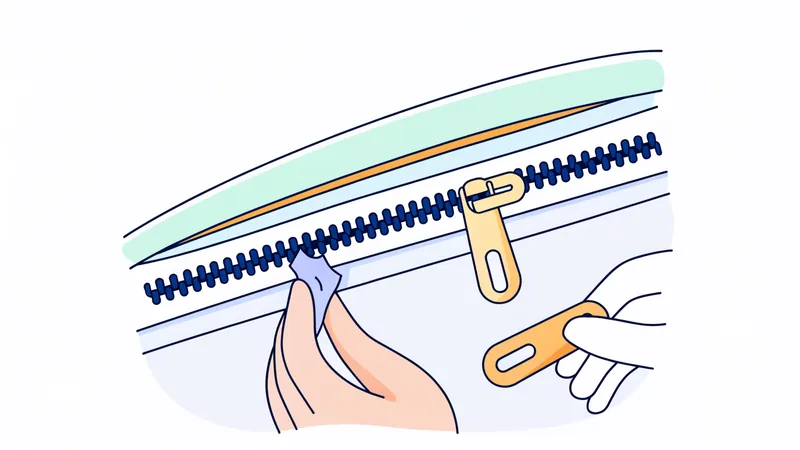
Fine sand can lodge along the zipper teeth or coil. First brush away loose grit without forcing the slider through it.
Then wipe the track gently and let it dry. REI notes that zipper channels collect debris and that coated zippers need careful handling.
Do not flood zipper tracks with oil; it stains fabric and attracts dust. If a zipper still drags after cleaning, use a small amount of a lubricant made for zippers.
Buckles generally need a soft wipe to remove mud or sand. Confirm that release tabs move freely after cleaning and drying.
What not to do
Do not put a technical backpack in a dryer to speed things up. Do not iron coated panels.
Avoid boiling water and aggressive brushing. Do not assume that a waterproof bag can tolerate a washing machine simply because it resists rain.
Never store the backpack damp in a closet or tightly packed plastic container. Allow airflow until the lining and thicker padding are fully dry.
When professional help makes sense
If a coating is peeling, the lining is separating or a zipper is failing, ordinary washing may make it worse. The same goes for a bag with a lot of leather trim.
A bag repairer or specialty cleaner can assess whether safe cleaning is possible. If the product remains under warranty, contact the maker before attempting a repair or solvent treatment.
For related instructions, see bag care, how to clean a leather bag and how to fix a bag zipper.
FAQ
Can you put a backpack in the washing machine?
Only when the exact backpack's care instructions explicitly allow it. Many technical packs should not be machine-washed. Deuter's guidance warns that washing machines can damage polyurethane coatings.
What soap is safe for a backpack?
A mild, low-additive soap is a starting point for packs that permit it. REI recommends mild soap or a technical-pack cleaner. Always test a hidden area first.
How do I dry a backpack after washing?
Open all compartments and let the bag air-dry in a ventilated place away from strong heat. Check padded areas and bottom corners before storage. Keep it out of the tumble dryer.
How often should you wash a backpack?
There is no universal calendar. Wipe spills promptly and spot-clean when needed. Reserve deeper cleaning for substantial grime or persistent odor, following the maker's care instructions.
Can I soak a backpack overnight?
Avoid it unless the manufacturer specifically allows soaking. Prolonged immersion can affect coatings, stiffeners, padding and trims.