How to clean a suitcase inside and out

Knowing how to clean a suitcase starts with its care instructions: remove loose dirt, spot-clean approved surfaces, and dry completely. Material-specific care Check the label or maker's care page first. A method approved for one exterior may be unsuitable for another.
Before deciding how to clean a suitcase
Find the model's care instructions and identify the exterior, lining, and any trim. Keep that information beside you while choosing the cleaning supplies.
What you need
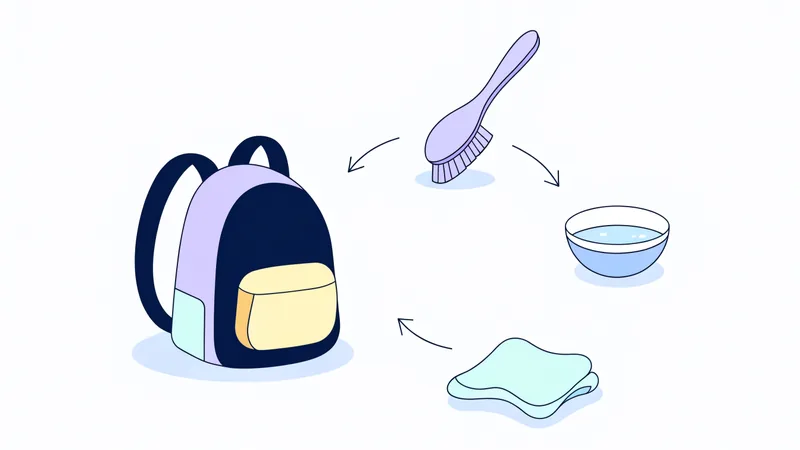
- Soft, clean cloths for separate interior and exterior work.
- A soft brush suitable for the approved method.
- A vacuum nozzle for ordinary dry crumbs and dust.
- Clean water and the cleaner permitted by the maker.
- A clear place where the open suitcase can dry.
| Area or material | Starting approach | Important distinction |
|---|---|---|
| Plastic hard shell | Approved mild-soap wipe where permitted | Follow the finish-specific care instructions |
| Coated woven exterior | The model's stated spot-cleaning method | Do not transfer a soap recipe from another bag |
| Fixed fabric lining | Remove dry debris; spot-clean as directed | Avoid excessive moisture |
| Removable lining | Follow its separate care instructions | Removability does not establish machine washability |
| Leather trim | Use leather-specific care guidance | Keep the shell cleaner away until compatibility is established |
These distinctions follow exterior instructions, interior guidance, and material-specific maintenance guidance.
For other bag types, begin with the bag care guide.
Clean the lining and pockets first
Start with an inspection. If you suspect mold, leave this routine-cleaning workflow and follow the EPA's mold guidance.
For ordinary dry dirt, use the following sequence based on the maker's interior-cleaning guidance.
- Empty the main compartment.
- Empty every small pocket.
- Remove packing cubes and other loose organizers.
- Tip out loose crumbs and debris.
- Vacuum accessible seams, corners, and pockets gently.
- Test the approved cleaner on an inconspicuous area.
- Spot-clean the affected area according to the care instructions.
Treat removable accessories separately. Their own washing instructions govern whether to hand wash, machine wash, or spot-clean them.
For a removable lining, read its label before washing. The maintenance guide explicitly directs users to the lining's cleaning label.
Avoid soaking the fixed interior. Another maker identifies excessive water on fabric interiors as a cleaning mistake.
If a stain remains, stop before escalating to a stronger product. Use the stain-removal guide to separate the stain type from the material involved.
Clean the exterior, wheels, and handles
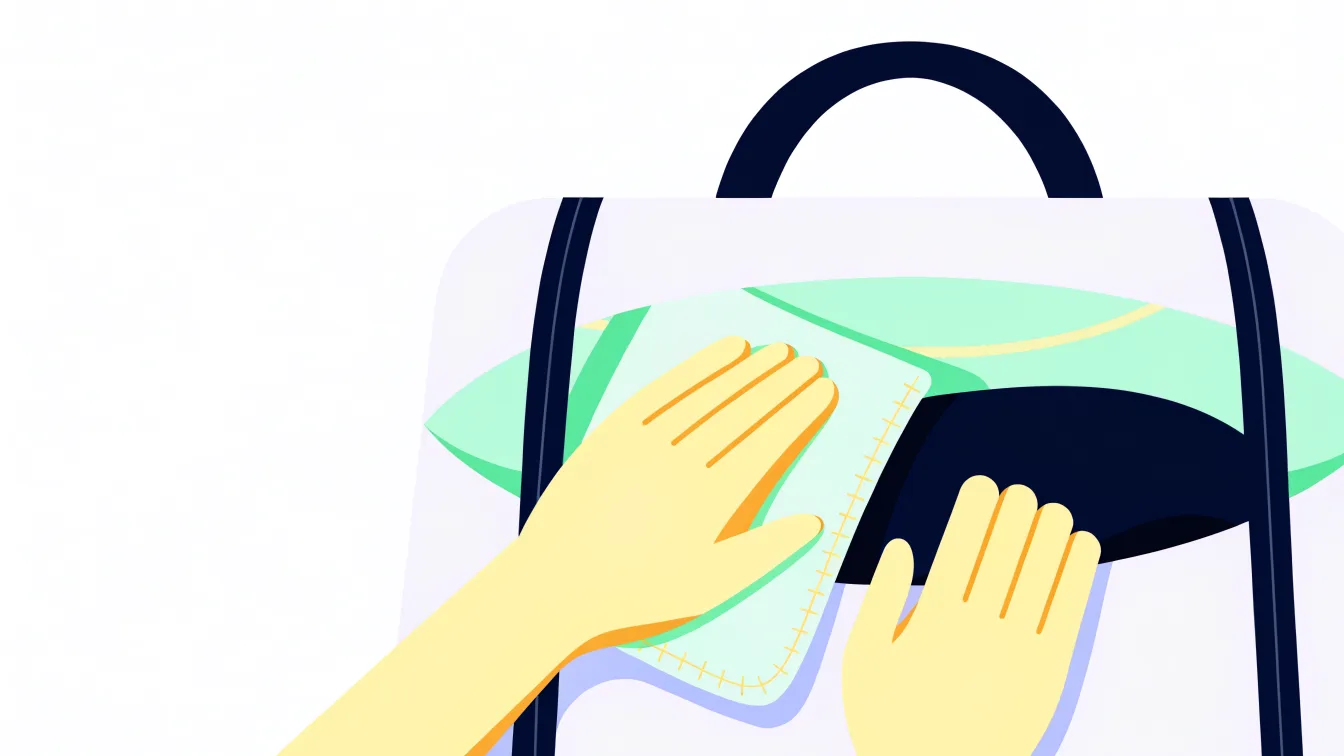
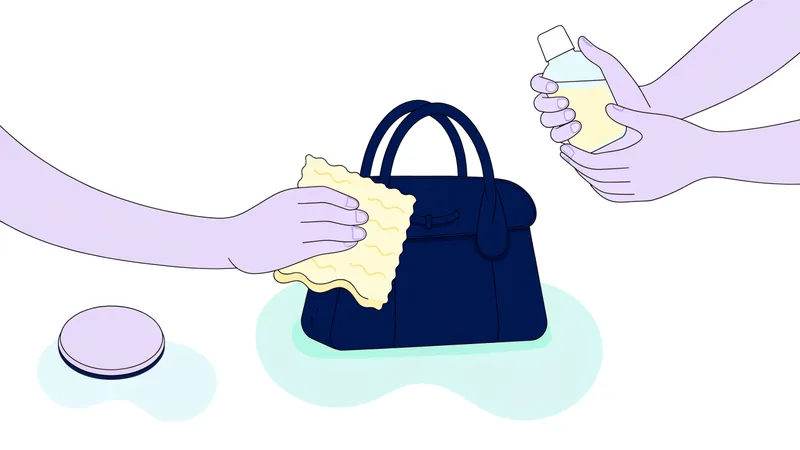
Work on the exterior with a separate cloth. Select the method for that surface rather than continuing with whichever cleaner you used inside.
For compatible hard shells, a maker's care page permits warm water and mild dish soap, followed by rinsing. Another hard-shell method applies gentle soap and water with a soft cloth.
Use the following order where your model's instructions permit it:
- Remove loose exterior dirt.
- Test the approved cleaner on a discreet area.
- Wipe the surface gently.
- Remove cleaner residue as the instructions direct.
- Brush dry debris from accessible wheel areas.
- Wipe handles using their approved method.
The wheel-maintenance guide begins with dry brushing and permits vacuuming remaining fine particles. It also cautions against water entering the handle's push-button mechanism.
For a coated fabric exterior, follow its own directions. One maker specifically warns that soap and water can harm its protective coating.
Finish cleaning before evaluating whether a wheel still needs mechanical service.
Deal with odors by cleaning and drying
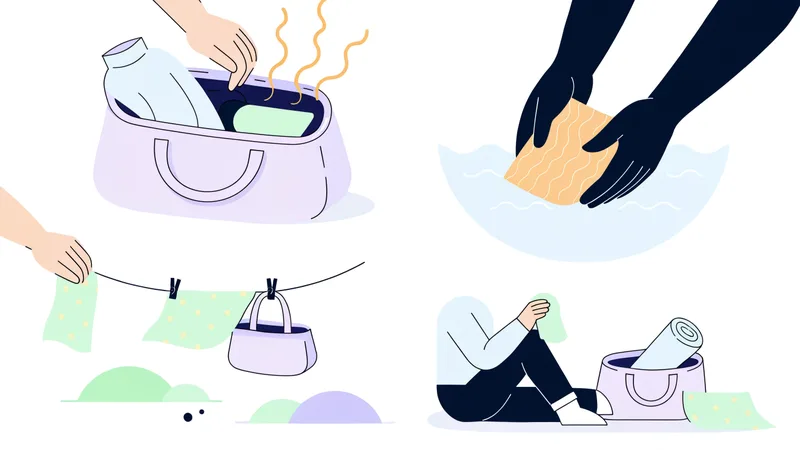
Empty the suitcase completely when investigating an odor. Remove laundry, packing accessories, and any item left in a small pocket.
The interior-care guidance identifies damp or dirty clothing as a possible source of unwanted smells. Clean any visible residue using the appropriate method.
Then leave the suitcase open to dry. Follow the maker's instruction to dry fully before closing or storage.
Plan your cleaning session around that drying stage. Keep the case accessible so you can inspect the lining, pockets, and areas where moisture remains.
Avoid choosing a universal drying time. Use the material's condition and the maker's directions rather than an assumed overnight deadline.
For the next trip, separate soiled items from the clean interior. A maker's care guidance suggests containing wet or dirty clothing separately.
Persistent odor or suspected mold needs a different assessment. The EPA notes that mold can be difficult to remove completely from porous materials.
Use the mold guide before attempting further treatment.
What not to do, and when to use a professional
Do not transfer a cleaning recipe between different finishes. The contrasting hard-shell and coated-fabric instructions show why the exact product matters.
Avoid aggressive scrubbing, excessive water, and storing a damp case. These appear among a maker's listed cleaning mistakes.
Do not treat a removable lining as automatic permission to machine wash it. Follow the lining's label and washing instructions.
For uncertain materials, damaged finishes, or a stain that resists the permitted method, contact the maker or a specialist. Describe the material and cleaner already used.
For suspected mold, the EPA recommends specialist advice when cleaning is uncertain or the item is valuable. This is general guidance, not a suitcase-specific restoration guarantee.
Cleaning and repairing are separate decisions. If the case has torn lining, a broken wheel, or damaged hardware, use the professional repair guide.
Keep your model's instructions on how to clean a suitcase handy for the next trip.
FAQ
Can I wash my entire suitcase?
Use the model's care instructions rather than assuming the whole assembly is washable. A maintenance guide distinguishes the exterior, mechanisms, and removable lining. Clean each according to its directions. If no washing method is stated, contact the maker before immersing the case or putting any component in a machine.
Can I use dish soap on soft-sided luggage?
Only where the maker permits it for that exterior. One care page allows mild dish soap on its soft-sided luggage, while another warns against soap on its coated fabric. Match the instructions to your actual model and test the approved method discreetly before treating a visible area.
How do I clean dirt from suitcase wheels?
Begin with the wheel maker's or luggage maker's instructions. A published maintenance guide starts by dry brushing debris and vacuuming fine particles. Keep cleaning distinct from lubrication or dismantling. If the wheel remains stiff or damaged after the permitted cleaning, ask about service for that particular assembly.
Why does my suitcase still smell after wiping it?
Recheck the contents, pockets, and lining, then allow complete drying. A maker's interior guide links unwanted odors with damp or dirty contents. Persistent odor or suspected mold warrants a different assessment. Consult the maker or a specialist rather than repeatedly applying stronger cleaners to an uncertain material.
Sources
- shop.samsonite.com/product-care-cleaning.html
- travelpro.com/blogs/the-travelpro-blog/easy-steps-to-cleaning-the-exterior-of-your-luggage
- travelpro.com/blogs/the-travelpro-blog/how-to-clean-the-interior-of-your-suitcase
- victorinox.com/en/How-to-Clean-Luggage/cms/how-to-clean-luggage
- delseyhelppro.zendesk.com/hc/en-gb/article_attachments/31688419552658
- epa.gov/mold/what-are-basic-mold-cleanup-steps