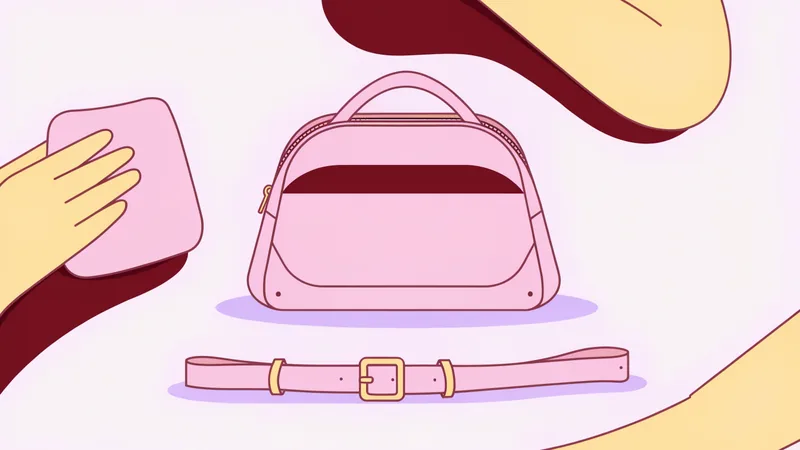
Baguette bags
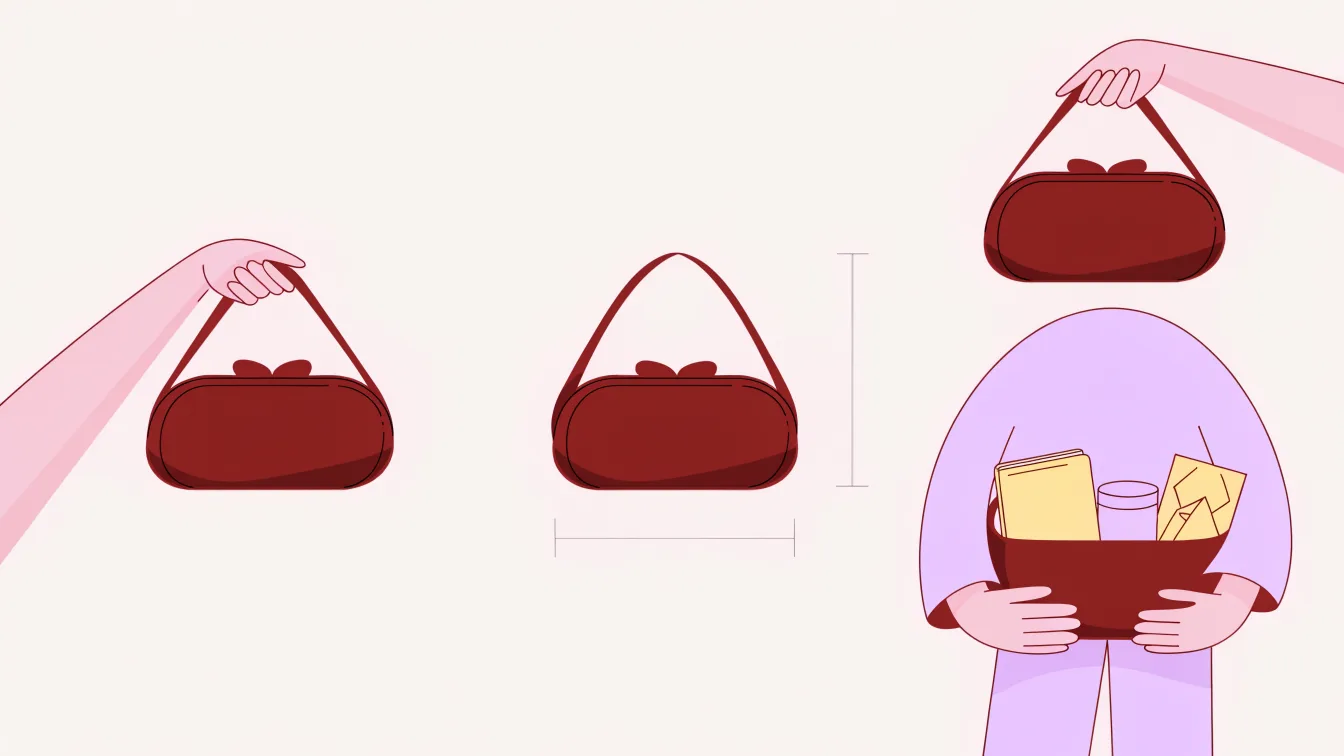
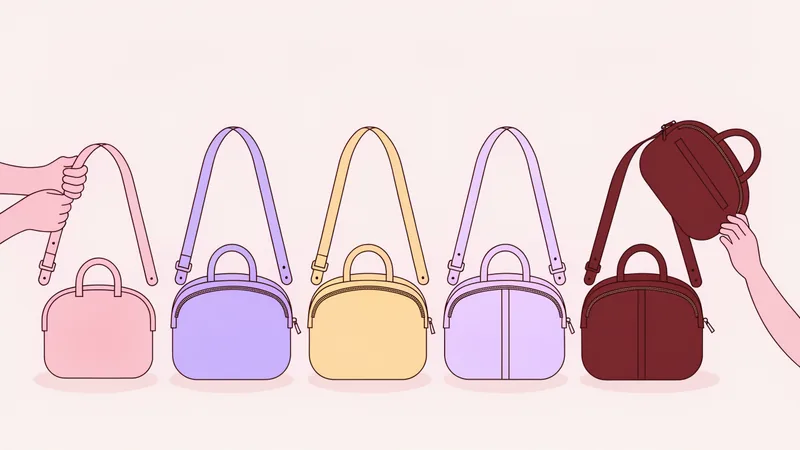
A baguette bag is an elongated handbag associated with carrying close under the arm, like the bread-inspired design described by its originating fashion house. Choose by body depth and handle clearance as well as width. Some versions also provide a longer strap for another carry position.
What makes a baguette bag different from other shoulder shapes?
Focus on the horizontal body and its relationship to the shoulder. Width is visually prominent, but useful depth and the space beneath the handle deserve equal attention.
Fendi describes its named design as an underarm form inspired by carrying French baguette bread. The house dates that design to 1997. Design history.
The idea also appears in other interpretations. A maker describes one elongated shoulder design as baguette-inspired, while publishing its own dimensions and strap arrangement. Design description.
Keep the design reference separate from the specifications of each product. There is no need to assume identical proportions, closures or carrying positions across those examples.
| Feature | What to examine | Choosing question |
|---|---|---|
| Horizontal body | Width relative to height | Does the layout suit your belongings? |
| Side profile | Actual depth | Can rigid cases fit with other essentials? |
| Short handle | Clearance above the body | Can you wear it over your usual clothing? |
| Longer strap, if supplied | Its adjustment and attachments | Do you want a second carry position? |
| Opening | Flap or other fastening arrangement | Can you reach inside at the intended height? |
Compare the broader range of shapes in the parent handbags guide before deciding that this low profile suits your routine.
Separate size, structure and carrying options
Treat these as three decisions. First choose the space needed for your belongings. Then compare the body construction and the ways you can carry it.
The groups below describe published variations. They are useful comparison categories, rather than fixed industry size classes.
| Variation | Published example | What to establish |
|---|---|---|
| Mini body | Compact model with detachable handle and chain shoulder strap; features | Whether essentials fit together in the smaller body |
| Medium flap body | Design with removable handle and separate shoulder strap; features | Which carry arrangement you intend to use |
| Slim elongated interpretation | A shallow body with detachable, adjustable strap arrangement; features | Whether depth or handle clearance limits your packing |
A longer strap is an extra carrying option, not extra interior space. Keep those benefits separate when comparing versions.
For a phone-and-wallet day, start with those two actual objects. For evenings, add the rigid case or other item you cannot leave behind before choosing a smaller body.
If you routinely carry bulky essentials, compare a deeper alternative. The goal is a workable daily layout, rather than making your belongings match a silhouette you liked in a photograph.
Compare published dimensions in a consistent order
Use width x height x depth throughout your notes. Confirm whether the listing gives exterior measurements, interior measurements or dimensions taken at a particular point.
These examples show variation within a related silhouette. Inch figures below are approximate conversions of the maker's centimeter measurements.
| Published example | Width x height x depth | Original measurements |
|---|---|---|
| Mini flap body | 7.87 x 5.12 x 1.97 inches | 20 x 13 x 5 centimeters; source |
| Medium flap body | 10.63 x 5.91 x 2.36 inches | 27 x 15 x 6 centimeters; source |
| Slim elongated body | 10.63 x 5.12 x 1.57 inches | 27 x 13 x 4 centimeters; source |
The two wider examples have the same published width but different heights and depths. That is a reason to compare the complete shape rather than length alone.
Draw the base rectangle at full size as an initial planning exercise. Then assess the usable interior and opening before making any fit promise.
Use the handbag size guide to organize comparisons across labels. A mini or medium name is less useful than the actual dimensions for your packing list.
Work out what fits before choosing the silhouette
Begin with the least flexible item you need every day. A glasses case, full wallet or phone case provides a more useful starting point than a general essentials list.
As a hypothetical comparison, a rigid case 2 inches deep exceeds a bag's published 1.57-inch exterior depth. Reject a straight depth-aligned fit on those measurements.
Other orientations need their own assessment. Exterior dimensions alone do not establish the available cavity or whether the object can pass through the opening.
One mini model's maker lists a 6.7-inch smartphone, small wallet or card holder, keys and lipstick among intended contents. Maker's fit description.
Use that as product-specific guidance. Match the actual phone, its case and the combination of belongings you intend to carry.
| Item | Measure or examine | Practical fitting exercise |
|---|---|---|
| Phone | Full case height, width and thickness | Insert and remove it through the opening |
| Wallet | Filled thickness | Position it alongside the phone |
| Glasses case | Rigid dimensions | Try the complete case rather than bare glasses |
| Keys | Space taken by the full key ring | Assign an accessible pocket or pouch |
| Extras | Space remaining after essentials | Close the bag normally with everything inside |
If you must remove several belongings to retrieve your phone, revise the layout. Decide whether a different wallet or a deeper bag better serves your routine.
Fit the short handle over your usual clothing

Assess the space between the bag body and the top of the handle. Try the bag where you want it to sit, using your normal outerwear.
Handle drop, shoulder-strap drop and total strap length are separate entries. Preserve the maker's labels instead of comparing unlike numbers.
For example, one elongated design lists an approximately 11.42-inch handle drop, converted from 29 centimeters. Its separate strap-drop range is about 11.42–22.44 inches. Maker's carrying measurements.
Those measurements describe that particular arrangement. Use a fitting exercise to decide whether the bag sits where you prefer.
| Carrying situation | What to try | Decision point |
|---|---|---|
| Light clothing | Wear the short handle at your preferred height | Does the body sit naturally? |
| Coat or jacket | Repeat with your usual outerwear | Is the available clearance sufficient? |
| Seated access | Open and close the bag while seated | Do you prefer removing it first? |
| Longer-strap option | Use only the intended attachment points | Does the alternative position suit your day? |
For personal fit, there is no required underarm height or clothing formula. Compare crossbody and shoulder carrying if you want both options in one bag.
Examine the flap, pocket and attachment hardware
Look beneath decorative hardware to establish the actual closure. A large ornament and the mechanism that fastens the flap can be separate details.
One medium leather example lists a front flap, magnetic clasp and internal zippered pocket. It also supplies a detachable handle and shoulder strap. Maker's construction details.
That interior zipper describes a pocket, rather than a zippered main opening. Keep those distinctions in your comparison notes.
| Detail | Question to resolve | Action before deciding |
|---|---|---|
| Main fastening | What actually secures the body? | Open and close it with contents inside |
| Flap movement | Where does it fold back? | Rehearse reaching into the compartment |
| Pocket fastening | Which belongings fit the separate pocket? | Measure the objects you intend to place there |
| Removable handle | How does it attach? | Follow the maker's intended configuration |
| Additional strap | Is adjustment available? | Record the usable settings for your preferred carry |
Do not infer waterproofing or theft resistance from a clasp or flap. Seek a specific published claim if either property matters to your use.
For a broader comparison of fastening types, see bag closures explained. Choose based on operation and access rather than decoration alone.
Read material details and follow the matching care instructions
Compare the shell and lining separately. One medium example lists a calfskin exterior and lambskin interior. Another lists lambskin outside and a mixed-fiber lining. First composition; second composition.
Those differences show why a silhouette cannot supply a universal care routine. Find the instructions for the exact material, finish and complete product before treatment.
For its leather products, Charles & Keith recommends gentle cleaning with a soft dry cloth or suitable brush. Its guidance calls for absorbing excess moisture and air drying without high heat. Maker's leather-care guidance.
The same guide advises storing leather items separately in a dust bag or box, away from sunlight and moisture. Storage guidance.
Apply those instructions to products they cover. For another maker's model, obtain that maker's guidance before using a cleaner or conditioner.
For styling, choose a finish that works with your own clothes and preferences. A short shoulder silhouette does not require a specific decade-inspired outfit.
Choose a baguette bag with enough usable depth and comfortable handle clearance. Then maintain the actual construction rather than treating every version as the same product.
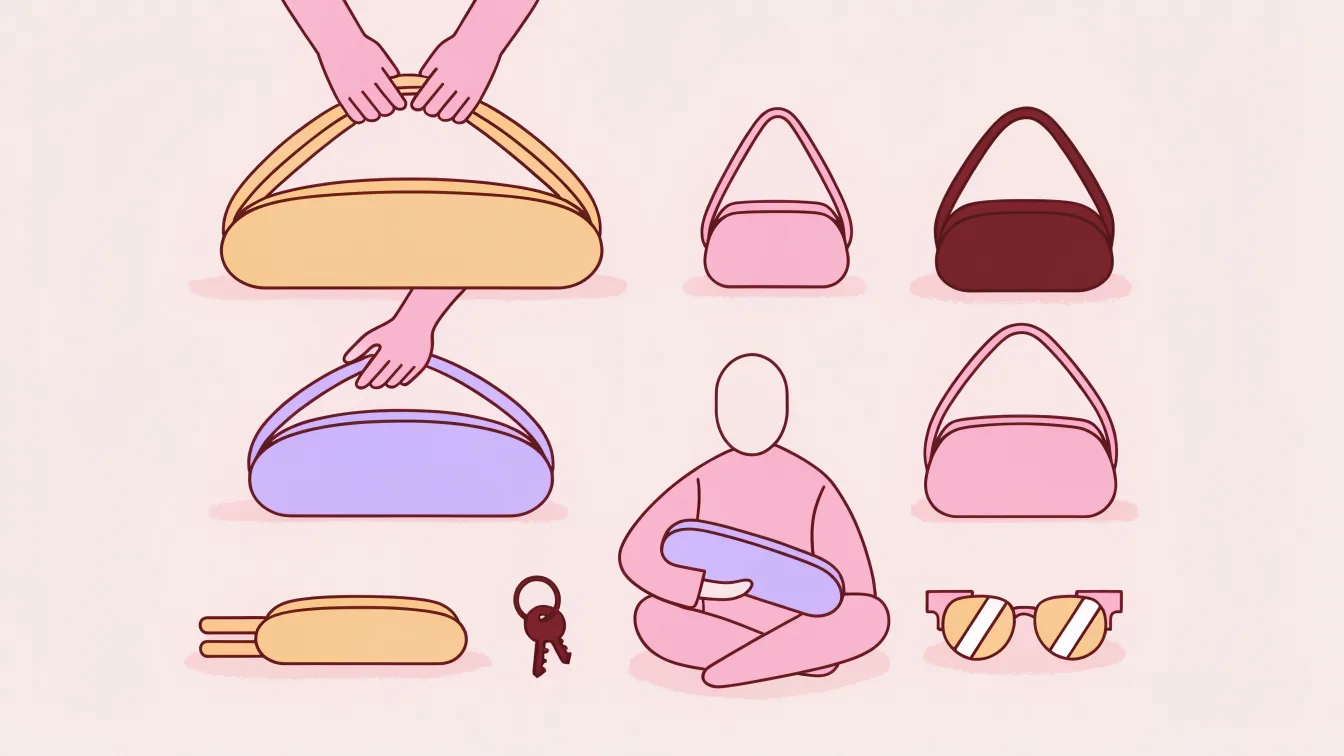
FAQ
Why is the style named after bread?
Fendi describes its named design as inspired by French baguette bread carried under the arm. That explanation relates to the carrying position and silhouette. Use the design reference to understand the shape, then compare current dimensions, handle clearance and construction for the product you are considering. House's design description.
Can this style be worn crossbody?
Some versions supply a separate longer strap, so examine the exact model's carrying options. One medium example includes a detachable handle and shoulder strap and explicitly describes crossbody wear. Check the supplied arrangement and measurements before assuming another version offers the same option. Maker's carrying description.
Will my phone and glasses fit together?
Measure your phone in its normal case and your complete glasses case. Compare the usable compartment and opening, then try them together with the rest of your essentials. Width alone is insufficient for a shallow body. Rehearse removing each object and closing the bag before deciding that the combination works.
Is a longer bag always more spacious?
Compare all three dimensions and the interior layout. Two published examples share an exterior width of approximately 10.63 inches (27 centimeters) but list different heights and depths. Use their specifications as a reminder to assess the complete shape. The actual opening and your belongings still need a fitting exercise. Medium example; slimmer example.
Related guides
- Saddle bags: comparing a curved-flap crossbody with a longer shoulder silhouette.