Bag safety on public transport and at night
Good bag safety on public transport starts with closed compartments, belongings within sight and a carrying position that leaves you able to move safely. Prepare before boarding, keep valuables put away, and plan the final walk after dark. Your safety comes before recovering property.
Start with positioning and closed compartments
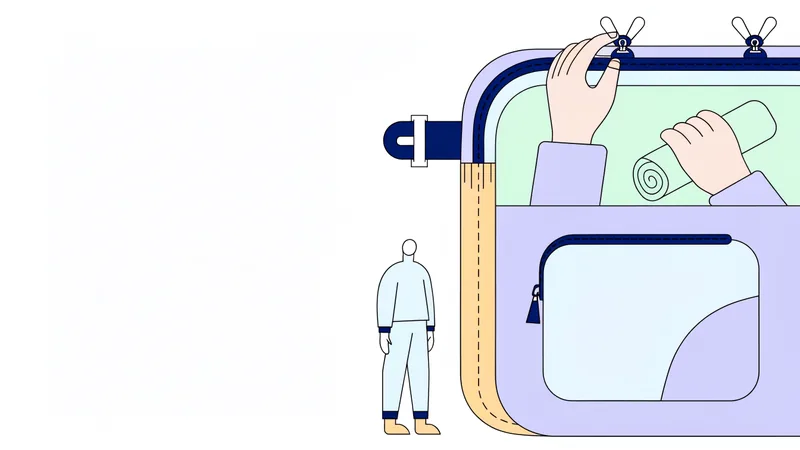
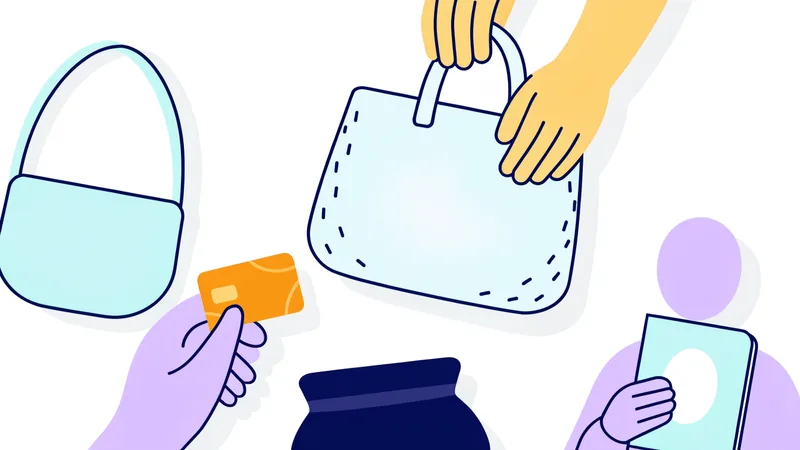
Before leaving home, assign a place for your phone, payment method and ticket. Choose compartments you can close without holding the entire bag open. Put the items back after each use instead of leaving them on a seat.
Follow BTP's bag guidance: close every zipper and use an inner zipped or buttoned pocket where possible. For a bag you must set down, it suggests placing it between your legs where you can feel it.
Adapt that advice to your mobility, the vehicle layout and staff instructions. Keep the bag close without obstructing your feet or the path others need. Avoid arrangements that require you to release several tangled straps before standing.
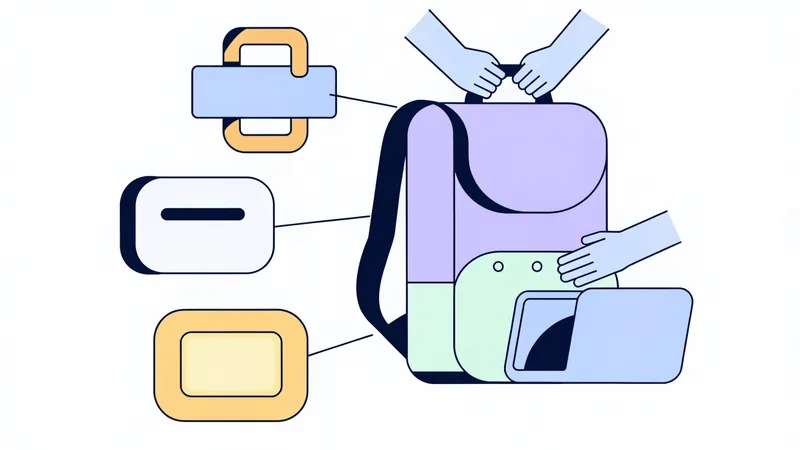
For a small shoulder bag, choose a position where you can see its opening. For a backpack in a crowded vehicle, consider holding it in front when practical. Keep a hand available for support.
Our bag security guide covers the wider precautions. Here, the useful question is immediate: can you account for your belongings while boarding, standing and leaving?
Use this checklist for bag safety on public transport
Treat each change of location as a short reset. The table is a practical planning checklist, rather than a ranking of vehicle safety or bag designs.
| Situation | Prepare before moving | Position during the journey | Before leaving |
|---|---|---|---|
| Busy ticket gate | Select the ticket or payment item | Keep other compartments closed | Return the item to its place |
| Standing in a crowded vehicle | Close pockets and gather loose straps | Keep the bag close and leave a hand for support | Confirm you have every item |
| Seated with a small bag | Decide where it will remain visible | Keep it with you without occupying another seat | Look around your seat |
| Train with a luggage rack | Separate personal essentials | Use suitable storage and monitor the bag | Identify your own bag before lifting it |
| Nighttime transfer | Identify the next stop and walking route | Stay near available people or staff | Put your phone away after checking directions |
For New York subway travel, MTA says not to block doors, stairs or passageways; checked November 2026. Follow the instructions of the system you are using.
Do not improvise a storage position that prevents someone using an accessible space. Read the relevant train luggage rules before bringing larger luggage.
Follow a deliberate boarding and exit routine
Use a simple sequence instead of trying to organize everything while crossing the doorway. These steps turn the advice above into a repeatable routine.
- Prepare before the queue moves. Identify your route and get the necessary ticket ready. Close the wallet compartment before approaching the gate.
- Finish one task before starting another. Put the payment item away before lifting luggage. Step aside somewhere suitable if you need more time.
- Board with belongings gathered. Keep straps and loose items under control. On New York's subway, MTA instructs riders to let others exit first; checked November 2026.
- Settle before opening the bag. Choose your seat or standing position, then locate your belongings. Avoid spreading items across neighboring surfaces.
- Prepare for your stop. Gather the same items you boarded with. Leave enough time to identify your luggage without rushing across the vehicle.
If traveling with someone, agree who is carrying each bag before boarding. Repeat that allocation after a transfer rather than assuming the other person collected everything.
For crowd-related carrying habits, see how to avoid pickpockets. Concentrate on your belongings and movement, rather than judging strangers by appearance.
Plan the nighttime transfer and final walk
Include the journey beyond the station when planning an evening trip. Identify the exit, meeting place and route to your destination before you arrive. Have an alternative if the original connection is unavailable.
British Transport Police advises avoiding poorly lit station areas and staying near other people or within sight of cameras. Its advice also points passengers toward rail staff and station help points when assistance is needed.
On London's double-decker night buses, Metropolitan Police advises sitting downstairs or near the driver, where visible. It also advises avoiding empty train carriages. These are local examples; follow your operator's guidance and choose a position that feels appropriate.
Before walking, check directions from a suitable stopping place. Put the phone away afterward and close the compartment again. Choose the busy, well-lit route recommended by the same police guidance rather than an unfamiliar shortcut.
If someone is meeting you, name the exit precisely. Keep the arrangement easy to explain without displaying your entire itinerary or unpacking belongings on the sidewalk.
Common mistakes to avoid
Leaving the bag open after paying defeats the purpose of carefully organizing it beforehand. Make closing the compartment part of finishing the transaction, even when the next task seems urgent.
Another mistake is treating a rack as the end of your responsibility for luggage. BTP recommends keeping luggage with you where possible and checking stored bags at stops. Choose a seat with a useful view when the layout allows.
Avoid leaving a phone on a table while you search another pocket. The same campaign describes theft from seats and tables while owners are distracted. Put the phone in its assigned compartment before handling another item.
Do not make your bag setup so elaborate that ordinary movements become difficult. Reconsider loose accessories, several separate pouches or straps you must untangle during each transfer.
Finally, avoid blaming yourself or another traveler after theft. These routines are precautions, not guarantees against someone else's actions. Use bag safety on public transport as a practical habit, without expecting constant vigilance to eliminate every risk.
Get help without putting yourself in danger
If a bag is missing, first stop somewhere suitable and establish what happened. Check your immediate belongings, then contact staff through the operator's reporting channel. Give the route, direction, approximate time and a clear description of the bag.
For New York subway passengers, MTA advises contacting a station agent after leaving something behind. Its guide also directs passengers to employees, police or Help Points when witnessing a crime.
If an item falls onto subway tracks, leave it there and notify an employee. The same MTA guidance expressly warns against entering the tracks. No phone, wallet or suitcase is worth that attempt.
Do not chase someone or arrange a confrontation over a location shown in an app. Ask staff or police how to provide relevant information. Keep yourself and any companions together while seeking help.
Separate the urgent safety issue from the later paperwork. Once somewhere secure, write down what you remember and follow the appropriate loss or theft process. Use the local emergency channel if anyone is in immediate danger.
FAQ
Where should I put my bag on a crowded train?
Keep it close, closed and visible while leaving room to move and hold on. Choose a position suited to the vehicle and your mobility. BTP's safety guide suggests keeping a bag between your legs when you must put it down. Avoid obstructing doors or another passenger's route.
Is a luggage rack safe to use?
Use the operator's designated storage and keep personal essentials with you. Choose a view of the rack when practical, and identify your bag before collecting it. BTP recommends checking stored luggage at stops. That advice supports continued attention; it does not guarantee that a particular rack is secure.
Should I sit alone in an empty carriage at night?
Consider a carriage with other passengers or access to staff, following local guidance. London's Metropolitan Police advises avoiding empty carriages. Keep your bag with you and choose a position where you feel comfortable. If you need assistance, use the operator's staff or help facilities rather than staying isolated to protect luggage.
What should I do if I realize I left my bag behind?
Contact the operator promptly with the route, time, vehicle information and bag description you have. For New York subway travel, MTA directs riders toward a station agent or its lost-property process. Distinguish an item left behind from suspected theft when explaining what happened, and follow staff instructions about the next step.
Sources
- btp.police.uk/SysSiteAssets/media/downloads/btp/campaigns/btp-be-aware-saftey-guide.pdf
- mta.info/guides/riding-the-subway
- btp.police.uk/police-forces/british-transport-police/areas/campaigns/be-aware
- btp.police.uk/cp/crime-prevention/btp/railway-crime/travel-safely-rail
- met.police.uk/cp/crime-prevention/personal-safety-how-to-stay-safe/travel-safe