RFID-blocking bags: do you need one?

The purpose of RFID blocking is to limit radio communication with a compatible card while it sits inside a shielded enclosure. NIST explanation Treat it as an optional privacy feature, rather than your main defense against payment fraud: contactless payments have separate security mechanisms.
How RFID blocking changes a pocket
RFID means radio frequency identification. NIST's 2007 technical guidance describes systems involving tags and readers, with electromagnetic shielding among the available security controls.
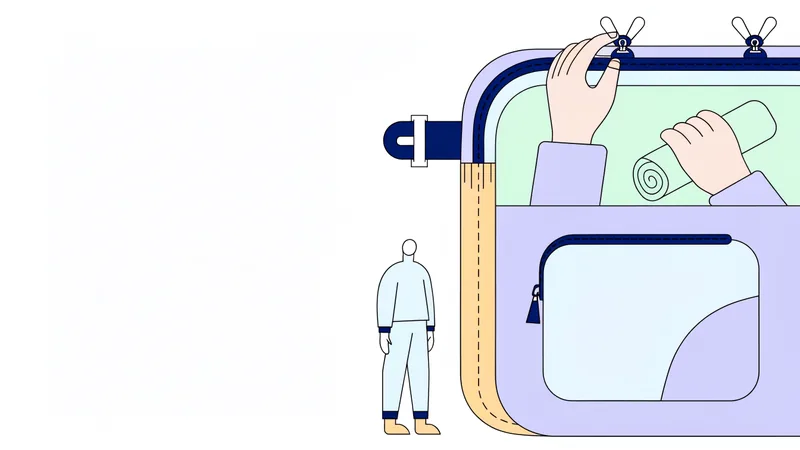
For a bag, identify the protected enclosure rather than assuming the entire interior is shielded. A maker's FAQ places the relevant cards inside the designated product, compartment, or pocket.
Use this table to separate the features you are comparing. The final column suggests a practical question for your own setup.
| Feature or action | Its intended role | Question to resolve |
|---|---|---|
| Shielded enclosure | Limit compatible radio communication | Which pocket and frequencies does the claim cover? |
| Payment security code | Protect an individual contactless transaction | What does the payment network explain about its system? |
| Zipped storage | Close the physical opening | Where do you want to carry the card? |
| Account review | Identify transactions needing attention | How will you contact your issuer promptly? |
The technical distinction follows NIST and EMVCo. For disputed charges, follow the CFPB's reporting guidance.
See the bag security guide for the broader carrying arrangement.
What contactless skimming does and does not establish
Separate unauthorized radio reading from successfully making a fraudulent purchase. They are different questions when evaluating a claim about payment-card risk.
NIST discusses unauthorized reading and eavesdropping among RFID security concerns. Its guidance explains technical risks and controls; it is not a current consumer fraud-incidence survey.
For payment transactions, EMVCo describes a one-time security code generated for each transaction. That protection belongs to the payment system rather than the bag.
Visa explains that transmitted information includes an account number, expiration date, and transaction-specific code. It describes fraudulent use of skimmed information as difficult because of its security processes.
That is a payment network's explanation, not a promise that every payment system is immune to every attack.
As a practical decision, avoid treating a demonstration of card reading as proof of a completed fraudulent purchase. Look for evidence matching the claim.
Also distinguish technical demonstrations from population statistics. A claim about how often travelers lose money needs incidence data, rather than a video showing a reader.
Frequency and enclosure details matter

Do not assume every contactless credential works the same way. A manufacturer's access-card notice distinguishes 13.56 MHz products from older 125 kHz credentials.
That notice specifically says its standard wallets do not block the lower-frequency cards. It describes different products for that purpose.
Use this as a compatibility lesson, not a reason to prefer that manufacturer. Identify your card type and compare it with the particular pocket's specification.
For a work badge, obtain the relevant information from your employer or access-system administrator. Avoid inferring its frequency from its shape.
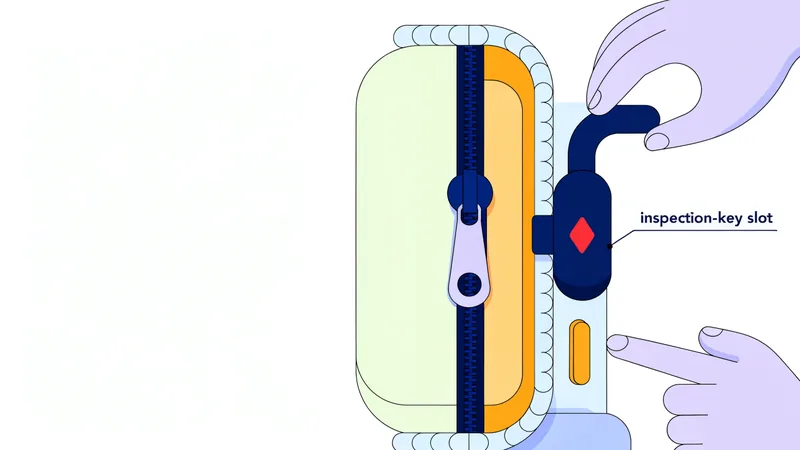
Next, establish the required enclosure arrangement. Read where the card belongs, how far it must enter, and whether the pocket must be closed.
One bag maker limits its stated use to standard low- and high-frequency applications. That scope should not become a blanket claim covering every radio-enabled object.
If a demonstration uses a building badge, compare its frequency with the product's intended range. A mismatch cannot answer whether the product blocks the card you actually carry.
What it means when you shop
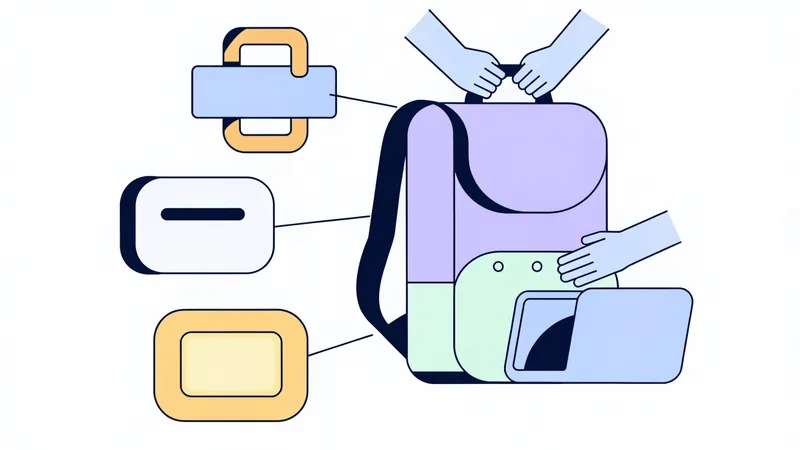
Evaluate RFID blocking after deciding which bag layout you need. Start with the size, closure, access, and designated place for important documents.
Then identify the specific item you want shielded. Record its intended pocket and the maker's stated compatibility, including any frequency information.
Compare the complete routine. Decide where the card will go before use, how you will remove it, and where you will return it afterward.
Visa advises presenting the individual card you intend to use rather than tapping your whole wallet. Make that step part of your routine when paying with multiple cards nearby.
For a product comparison, distinguish a functional claim from evidence supporting that claim. Seek a report that identifies the tested product and conditions.
Do not interpret "tested" as a universal guarantee. Match the report to the enclosure, card technology, and configuration described by the maker.
Use the organization layout guide to choose the card's location. The closure guide explains the physical opening separately from electronic shielding.
Useful habits and common misconceptions
Shielding replaces account monitoring. Keep the two tasks separate. The Secret Service's February 2024 alert advises monitoring affected accounts and contacting the issuer after a skimming incident.
That alert concerns point-of-sale skimming, including stolen magnetic-stripe data. It recommends considering contactless or chip transactions instead of magnetic-stripe use.
A blocked badge proves protection for every card. Match the credential to the specification. The manufacturer's frequency notice demonstrates why one card cannot represent every system.
A special pocket changes dispute procedures. Follow your issuer's instructions promptly. The CFPB advises calling about a disputed credit-card charge immediately.
Its guidance also explains the written notice needed to preserve billing-error rights. Consult that guidance and your agreement for the process applying to your account.
This is general information, not legal or financial advice. A shielded pocket can be one chosen feature; keep payment reporting and physical document storage in your plan.

FAQ
Do I need a special bag because my card supports tapping?
Do not make tapping capability your only reason for replacing a bag. EMVCo describes transaction-specific security, and Visa describes contactless skimming fraud as limited. Consider shielding if you want control over compatible card communication, while choosing the overall bag around your carrying and access needs.
Will a shielded payment-card pocket block my office badge?
Confirm compatibility with both the pocket maker and your access-system administrator. One manufacturer explicitly excludes 125 kHz credentials from its standard wallets. Your badge may use a different technology from a payment card. Avoid using an unrelated badge as the sole demonstration of a pocket's performance.
Can I tap my card while it stays inside the protected pocket?
Plan to remove it for use. The maker's FAQ describes blocking transmission while compatible cards are inside the protected compartment. Follow the particular product's instructions for storage and closure. At checkout, present the intended card individually, then return it to the designated pocket after completing the transaction.
What should I do about an unfamiliar card charge?
Contact your card issuer promptly, regardless of the bag you use. The CFPB explains immediate reporting and the written billing-error notice process for credit cards. Keep records of your communications, follow your issuer's instructions, and consult the account agreement rather than assuming shielding changes your obligations.
Sources
- nvlpubs.nist.gov/nistpubs/legacy/sp/nistspecialpublication800-98.pdf
- emvco.com/emv-technologies/emv-contactless-chip
- usa.visa.com/pay-with-visa/contactless-payments/contactless-payments.html
- travelonbags.com/faq.html
- idstronghold.com/pages/why-testing-our-secure-wallets-with-your-access-card-is-not-a-go…
- secretservice.gov/sites/default/files/reports/2024-05/usss-cyber-security-alert-evolvin…
- consumerfinance.gov/ask-cfpb/how-do-i-dispute-a-charge-on-my-credit-card-bill-en-61