How to condition and protect leather bags

To decide how to condition a leather bag, identify its finish, confirm an approved conditioner, and test for appearance changes before treating it. Apply only as directed. Suede, nubuck, patent, and decorative finishes need their own care rather than a general leather-cream routine.
Identify the finish before selecting a conditioner
Read the care card and exact bag description first. Record the material used for the body, handles, trim, and lining. A leather bag can require several separate routines.
Do not infer the finish from color or softness alone. Ask the maker to identify an unknown leather, particularly on an older bag without its original care information.
| Leather or finish | Care decision | Before applying conditioner |
|---|---|---|
| Finished or pigmented leather | Which products suit its surface finish? | Obtain model-specific approval |
| Aniline or lightly finished leather | Does it need specialist care? | Confirm compatibility and appearance risks |
| Suede or nubuck | What napped-leather method is specified? | Keep the smooth-leather routine separate |
| Patent, metallic, or printed leather | What finish-specific care is allowed? | Do not substitute a general cream |
Burberry publishes separate instructions by finish. Use those distinctions to frame questions about your own bag, rather than treating another brand's advice as universal.
For the material background, see leather tanning explained. Tanning information alone does not identify every coating or decorative finish added afterward. Start with the bag's actual care instructions.
What you need and which product type to consider
Choose the product category from the bag maker's directions. A cleaner, conditioner, wax, and color-restoration product are different requests. Do not choose among them solely because their packaging mentions leather.
Coach describes cleaner and moisturizer use for many of its core leathers. Longchamp's routine instead refers to a colorless wax or cream. These are examples of different published systems, not competing recommendations for an unidentified bag.
What you need
Keep the maker's instructions on how to condition a leather bag beside the approved product.
- The bag's care card or maker's written guidance.
- The specifically approved cleaner, if needed.
- The approved conditioning product.
- Clean application and finishing cloths.
- A clear surface and ordinary lighting.
- A photograph of the untreated leather.
Empty the bag and set detachable accessories aside. Identify the panels you will treat and the trim you will leave under its separate instructions.
Keep the product label open while preparing. Confirm the application amount, starting condition, drying period, and finishing steps before you begin. If those instructions conflict with the bag's guidance, resolve the conflict with the maker first.
Choose how to condition a leather bag carefully

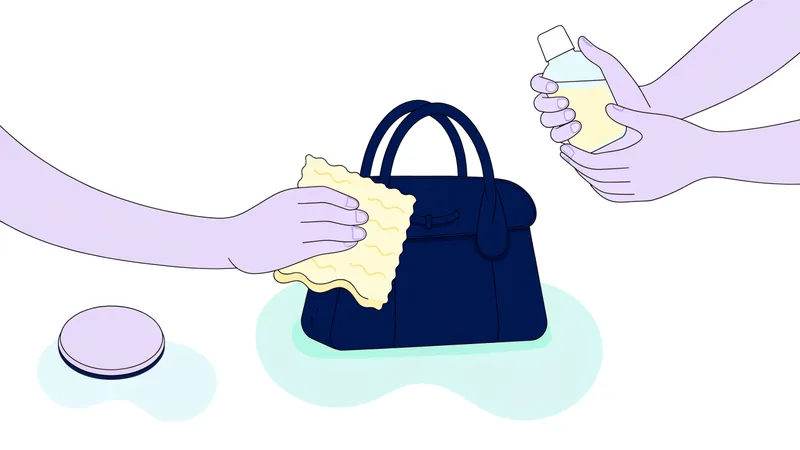
Use this sequence only after confirming compatibility with the exact leather finish. Begin with the cleaning and drying method specified for your bag, not an improvised household recipe.
- Remove the contents.
- Complete the approved cleaning routine.
- Prepare the starting condition required by the conditioner.
- Test the product in the approved discreet area.
- Evaluate the test after the specified interval.
- Apply the stated amount to the intended panels.
- Complete the directed drying and finishing steps.
Leather Honey's application guide describes putting conditioner on a lint-free cloth, then applying a thin, even coat. Its directions also include removing excess after the stated drying period.
Use the method for the product actually approved for your bag. Do not combine one manufacturer's application steps with another product's timing or quantity.
Work from a simple panel checklist so you can track treated areas without adding repeated coats by mistake. Keep unapproved trim and lining out of the routine.
For a stain rather than routine care, consult bag stain removal first. Conditioning should not become an experiment to conceal an unidentified mark or damaged finish.
Test for darkening and set a sensible schedule
Take the possibility of a color change seriously before treating pale or sentimental leather. Leather Honey advises a discreet test because conditioning can darken some types and shades.
Photograph the test beside an untreated area under the same lighting. Follow the product's full evaluation period before deciding whether the result is acceptable. Do not approve a whole-panel application while still uncertain about the test.
Avoid setting one conditioning interval for every bag. Leather Honey's guidance relates reapplication to condition and exposure. That does not create a universal monthly or seasonal requirement for other products.
Keep a short care record with the date, product, treated panels, and result. Use it when asking the maker whether another application is appropriate.
For napped finishes, follow suede and nubuck care instead of copying a smooth-leather schedule. Recheck instructions if a specialist has restored or recolored the bag, since you should maintain the finish now present.
Choose the next care step from those instructions and the bag's condition. Do not add product simply because a calendar reminder has arrived.
What not to do, and when to use a professional
Do not assume more conditioner produces a better result. Follow the specified quantity and assess one completed treatment before considering anything further.
Do not assume every wax is unsuitable or every cream is compatible. Longchamp includes wax or cream in its own leather-care routine, while other systems have different restrictions. Follow the system approved for the bag.
Keep routine protection practical. Burberry advises storing its pieces away from direct light in a cool, dry place and avoiding unnecessary strain or overfilling. Use the instructions for your particular model when arranging storage.
Request a professional bag assessment if the finish is unknown, the test changes the appearance, or the bag needs restoration rather than maintenance. Include photographs and previous treatment details.
Ask whether the proposed work involves cleaning, conditioning, recoloring, or finish repair. Agree on acceptable appearance changes before authorizing it.
The bag-care hub connects the separate routines. Keep the maker's advice and any restoration aftercare together so the next treatment follows the bag's current materials and finish.

FAQ
How often should you condition a leather bag?
Follow the bag maker and approved product rather than a universal monthly schedule. Leather Honey relates reapplication to the leather's condition and exposure in its own system. Keep a treatment record and ask the maker when unsure. Regular inspection does not mean that every inspection should lead to another coat. Source.
Will conditioner darken a leather handbag?
It can change the appearance of some leather. Leather Honey specifically warns that conditioning can darken certain types and shades. Test discreetly and evaluate after the directed interval before treating a visible panel. If preserving the original shade is essential, obtain the maker's advice before proceeding with an uncertain result. Source.
Can you use the same conditioner on suede?
Do not extend a smooth-leather routine to suede without specific approval. Coach separates suede from its core leather care and advises keeping its suede away from water. Check your own bag's instructions and use its napped-leather method. A label saying leather conditioner is not enough to identify compatibility. Source.
Does conditioning replace cleaning or restoration?
Treat them as separate jobs. Identify the problem before choosing a product: ordinary surface dirt, routine maintenance, staining, or finish damage. Follow the approved cleaning sequence before conditioning where required. If the bag needs color or finish work, request an assessment rather than adding repeated maintenance coats to change its appearance.