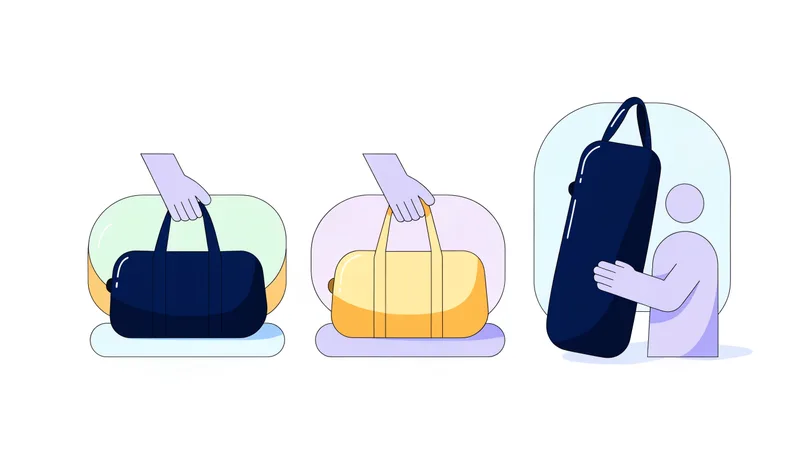
Gym bag size guide
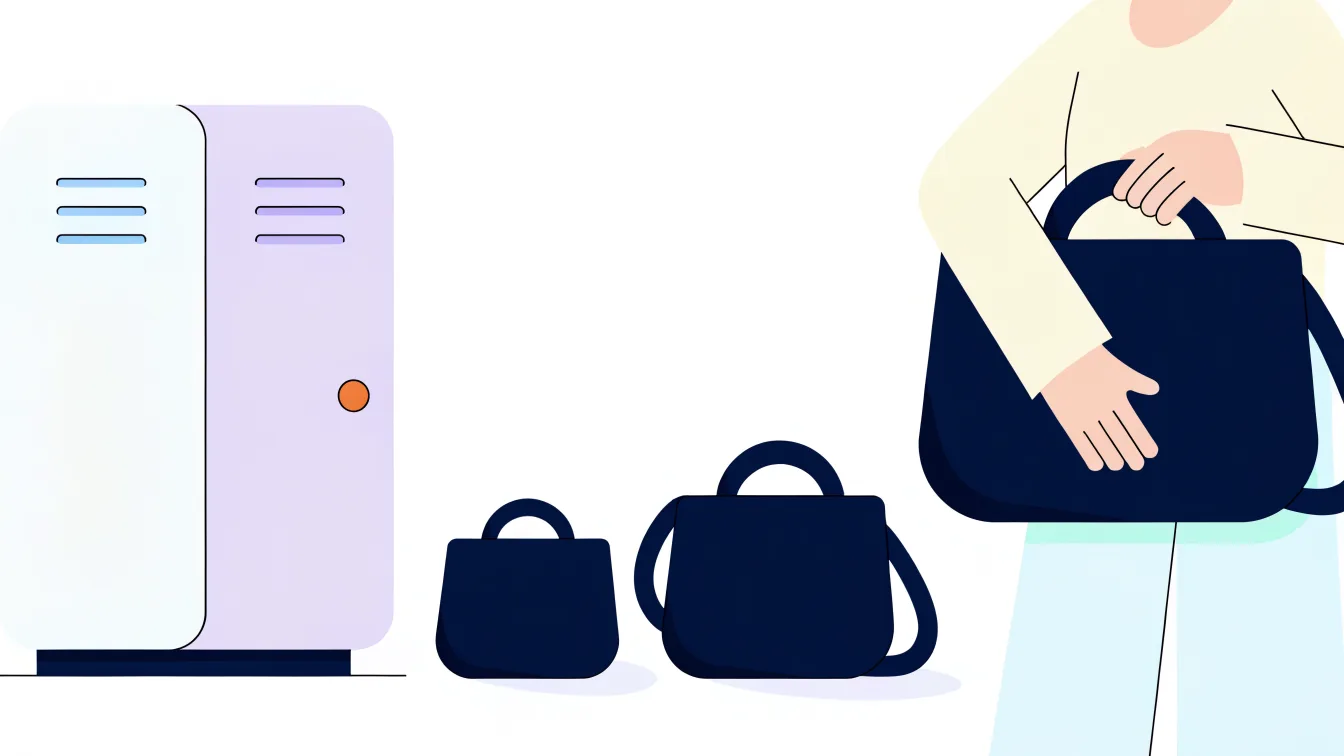
Choose your gym bag size by laying out your complete workout kit, then checking bag dimensions against your locker. Use liters to shortlist candidates. Measure shoes, towels and any rigid equipment before deciding how much space you need.
Match gym bag size to the kit you actually carry
Build your packing list around an ordinary gym visit. Include the items you bring home, too: your work clothes, the towel and any separate shoe pouch.
Use the examples below as measurement references. The proposed loads are packing trials to perform yourself, rather than guaranteed contents for every bag.
| Load to trial | Published capacity example | Published dimensions | What to place together |
|---|---|---|---|
| Clothing with little extra equipment | Nike Brasilia 9.5 extra-small: 25 L | Approximately 15 x 10 x 10 inches; converted from centimeters | Workout outfit, compact towel, toiletries; test shoes separately |
| Clothing plus shoes and a fuller towel | Osprey Daylite Duffel: 30 L | 20H x 13W x 9D inches, as listed | Everything above, plus your actual shoes and bottle |
| Work-to-gym load or bulky personal gear | Osprey Daylite Duffel: 45 L | 21H x 14W x 9D inches, as listed | Complete change, shoes, towel and equipment you personally use |
These are individual specifications, not standard dimensions for each liter rating. The bag sizes overview explains how to compare capacity with physical measurements.
If you only carry clothing, start with that load. Add a larger candidate only when a necessary item fails the packing trial.
Measure shoes, towels and equipment before adding liters
Make the awkward items your starting point. Place your shoes together as you intend to pack them, including their pouch. Record the combined length, width and height.
Then fold your usual towel and clothing. Use the same folds you expect to make before leaving home. Include a jacket only if it belongs in your normal routine.
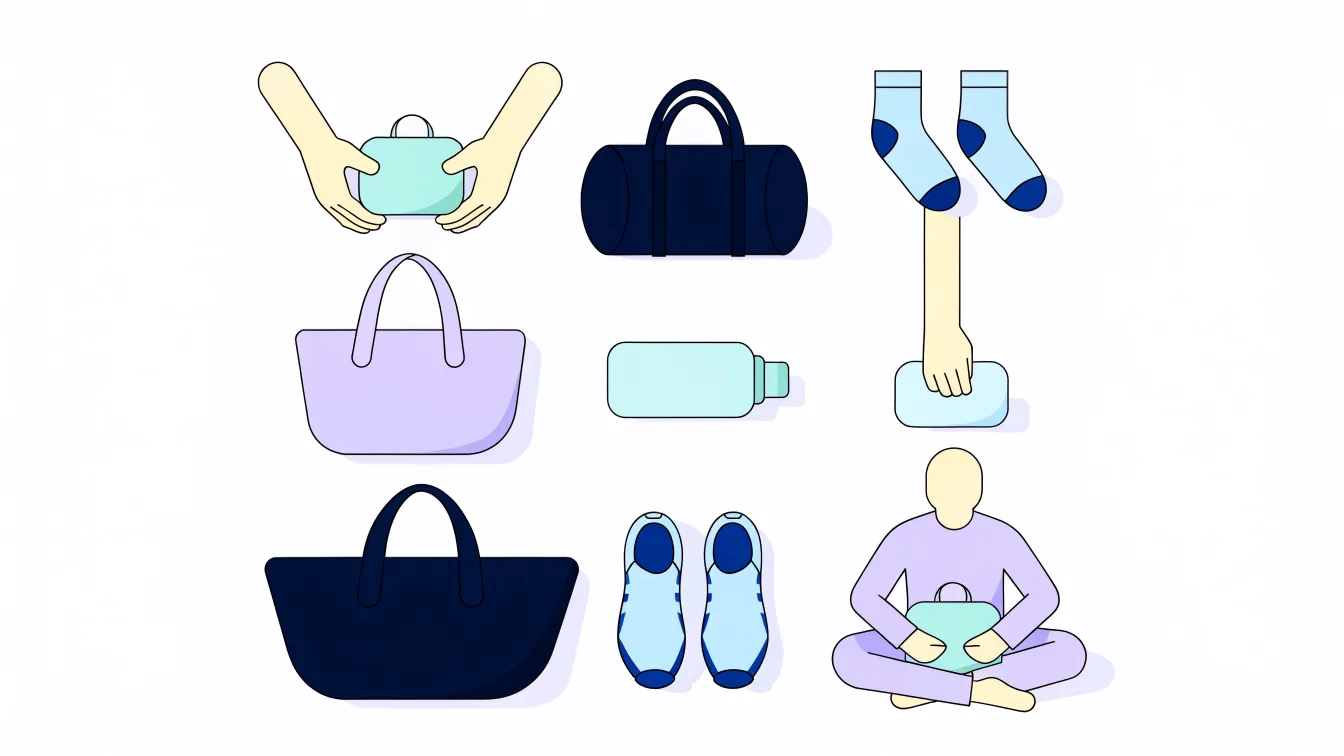
- Arrange the full kit on a table.
- Measure the longest rigid item.
- Group shoes and any equipment that must remain separate.
- Add your filled toiletry pouch and bottle.
- Compare this arrangement with the candidate bag's compartment measurements.
Treat a separate shoe section as part of the packing problem. Place shoes in it during your trial, then arrange everything else around them. Avoid assigning that compartment imaginary extra liters.
The duffel size guide helps if you also want the bag for short trips. Keep that occasional travel load separate from your everyday gym list.
For specialized gear, measure the piece itself. Do not assume a boxing glove, lifting belt or helmet shares the footprint of a clothing bundle. Write those measurements beside your packing list.
Check the locker opening and the space behind it

Measure the locker you actually use, or request its usable internal dimensions from the facility. Record the doorway separately from the cavity behind it.
Start with clear width, clear height and usable depth. Note where a shelf, latch or hinge interrupts the space. Sketch those obstructions rather than treating the locker as an empty box.
Next, decide how the bag will enter. A bag that sits lengthwise on a shelf needs a different orientation from one standing on its end.
Use the candidate's published dimensions as an initial screen. Then measure your fully packed bag, including protruding pockets and anything clipped outside. Our bag measuring instructions provide a consistent way to record those extents.
Try the insertion and removal motion with permission from your facility. Close the locker door normally, leaving its latch unobstructed.
Do not make squeezing the bag your sizing plan. Instead, remove unnecessary contents or compare a different shape. A locker comparison needs your actual dimensions; no particular liter rating establishes compatibility with every facility.
Keep your locker measurements in your phone so you can compare another candidate without repeating the visit.
Common mistakes: counting only the outward journey
Pack a second arrangement for the trip home. Put the clothes you arrived in where they will go after changing. Include the towel rather than mentally leaving it behind.
If you plan to separate used clothing, include that pouch in both arrangements. This is a space-planning step, not a claim about odor or hygiene performance.
Avoid judging capacity with every pocket empty. Fill the pockets you will use before evaluating the main compartment. Then check that you can close the bag without holding its sides together.
Another mistake is choosing a long bag before measuring the locker entrance. Match each bag measurement to the corresponding locker measurement in your intended orientation.
Finally, resist adding equipment merely because a larger bag has room. Make a short list of things you actually use and a separate list for occasional sessions. You can run both packing trials without making the occasional load your everyday default.
The gym duffel versus gym backpack comparison helps when the shape or carrying method is the unresolved decision. Settle the contents first, then compare how you prefer to carry them.
Make the final choice with two packing trials
Use the same kit to compare each candidate. Otherwise, a bag may appear roomier simply because you left out a towel or changed shoes.
Begin with the outward journey. Pack everything, close the main opening and retrieve the item you normally need first. Repeat with the homeward arrangement.
Record three outcomes: everything fits, access works, and the loaded dimensions suit the locker. Keep a candidate only when all three pass your own check.
If the kit fits but access feels awkward, rearrange it before increasing capacity. If the locker fails, compare a different bag shape rather than automatically moving up a size.
Your final gym bag size should serve that repeatable routine. Keep the packing list and measured dimensions together so a future comparison starts with evidence.
For an occasional equipment-heavy visit, run an additional trial with that load. Decide whether you want one bag for both arrangements or prefer to keep your regular setup compact.
The practical stopping point is simple: the necessary contents fit, the bag closes normally, and you can store and retrieve it where you exercise.
FAQ
Is 25 L enough for a gym bag?
Use 25 L as a candidate capacity, then pack your own kit. The published example above gives dimensions to compare with your shoes and towel. It does not establish a universal contents list. Include everything you bring home before deciding that this capacity works.
Do I need more space if I carry separate gym shoes?
Include the actual pair in your trial, inside any pouch you intend to use. Measure that bundle and place the remaining kit around it. Avoid adding a fixed number of liters for shoes: the useful question is whether your specific pair and other necessities fit together.
Can I use the same duffel for the gym and weekends?
Make separate packing lists and test both. Compare the ordinary gym load with your complete weekend arrangement, then check storage for each use. If you fly, consult your operator's current baggage dimensions separately. A gym packing trial does not establish airline acceptance or travel compatibility.
How do I know whether the bag fits my locker?
Compare the fully packed bag with the clear doorway and usable interior. Include pocket bulges and external attachments in your measurements. Try the intended insertion motion and normal door closure where possible. Keep the latch clear, and do not rely on capacity labels to settle the question.