How to clean a lunch bag or cooler bag
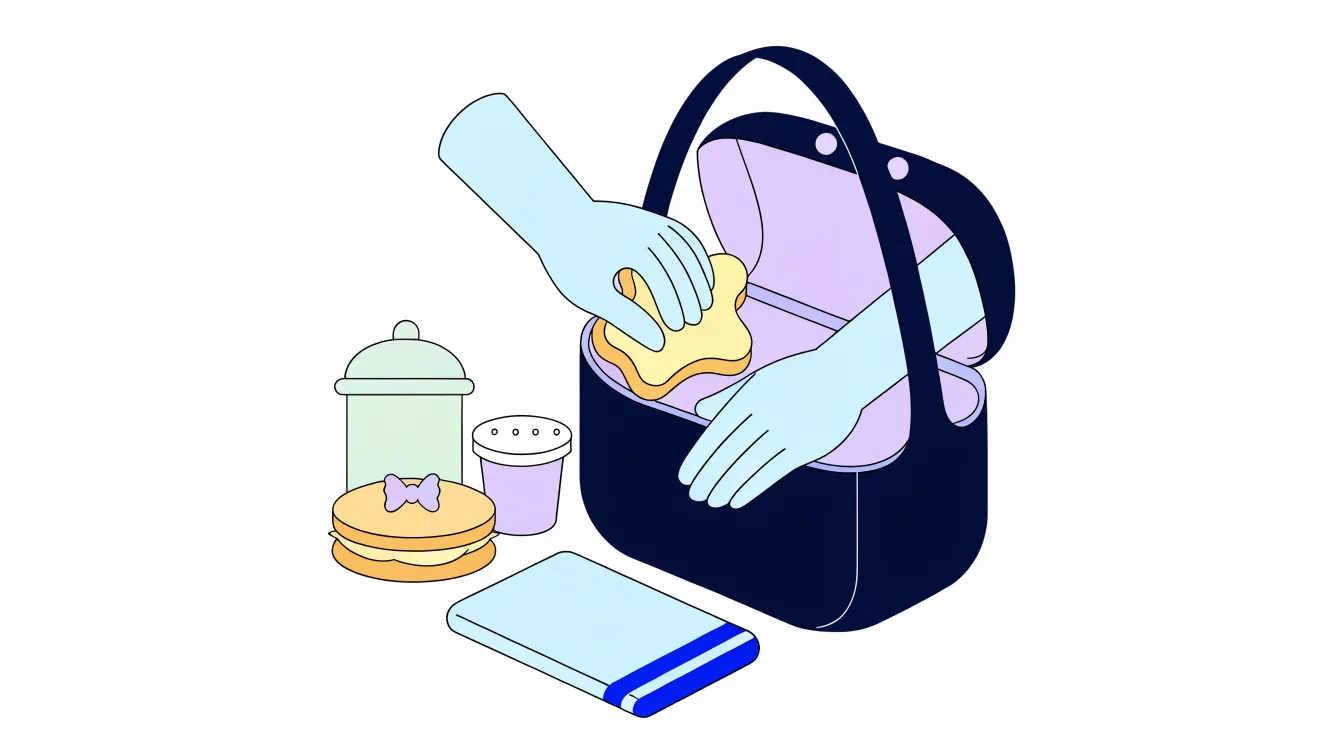
To choose how to clean a lunch bag, follow its care instructions, remove food residue, and dry it completely before storage. Clean the lining and exterior as directed. Keep food containers, cold packs, and the bag on their own care routines.
Start with the lining and the care instructions
Empty the bag onto a clear surface. Set aside containers, utensils, removable liners, cold packs, and any paperwork. Open each pocket before deciding the job is finished.
Keep the model's instructions on how to clean a lunch bag with your list of removable parts. Read separate directions for the lining, shell, and removable parts. A washable container does not make its carrying bag dishwasher-safe.
For example, PackIt prohibits washing machines, dryers, dishwashers, and microwaves for its freezable bags. Its instructions also distinguish between cleaning the interior and the exterior. Those limits belong to that product design.
Inspect the base corners, folds, and closure area in good light. Note where food has spilled and whether any lining is torn. Photograph damage before asking the maker about cleaning or repair.
Keep a short list of the bag's components and approved methods. This is especially useful when several family lunch bags look similar but have different instructions.
Use the wider bag-care guide for the outer carrying bag if your lunch container travels inside a separate tote or backpack. Each item needs its own method.
What you need and methods by material
Prepare a clean workspace before bringing food containers back into use. USDA advises cleaning food-preparation surfaces and utensils between tasks in its school-lunch guidance. Keep dirty bag-cleaning items away from the area where you pack tomorrow's meal.
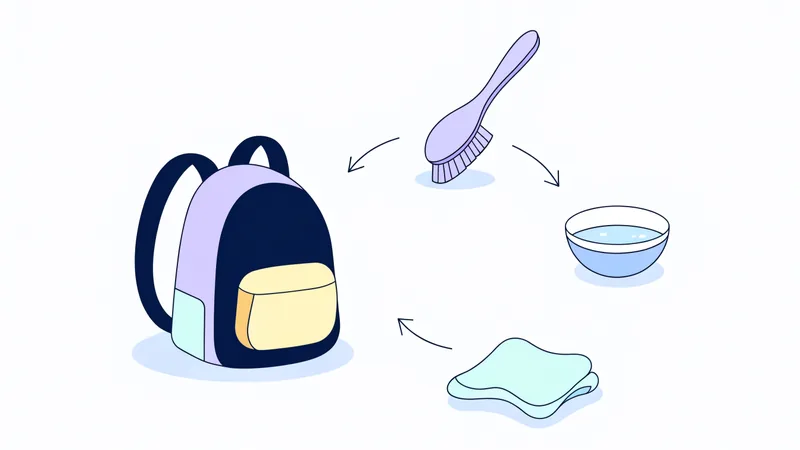
What you need
- The maker's bag and liner instructions.
- The approved soap or detergent.
- Clean water at the specified temperature.
- A soft cloth or gentle sponge.
- A clean drying cloth if permitted.
- Space for the approved drying arrangement.
Use this table to identify the part you are cleaning. It does not replace the instructions for a particular model.
| Material or construction | Care information needed | Appropriate route |
|---|---|---|
| Wipeable insulated lining | Approved cleaner and rinsing directions | Clean accessible surfaces by the permitted method |
| Fabric exterior | Whether spot cleaning or washing is allowed | Treat separately from the lining |
| Freezable bag with built-in cooling | Cleaning and pre-freezing requirements | Follow that design's drying instructions |
| Removable liner or insert | Its own washing instructions | Remove and clean separately when allowed |
The PackIt instructions demonstrate why built-in cooling needs model-specific care. For an ordinary fabric carrying tote, consult tote washing separately.
Choose how to clean a lunch bag safely

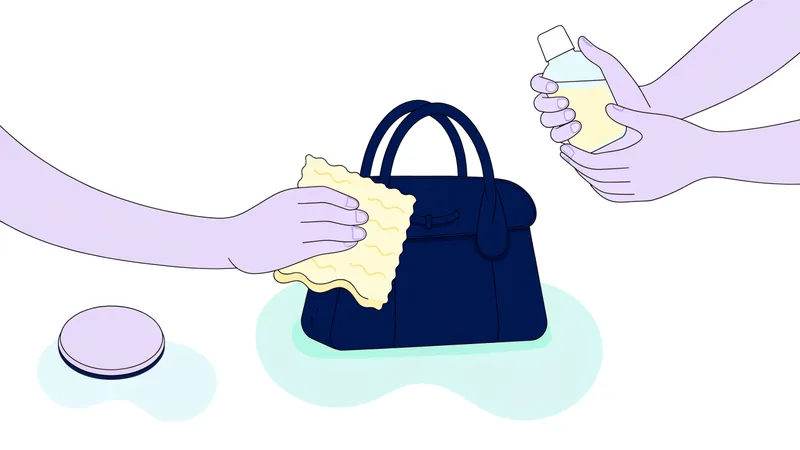
Choose a method your maker approves before starting this sequence. Iowa State Extension supports warm, soapy cleaning of insulated lunch bags, but the complete bag's restrictions still matter.
- Remove leftover food and loose debris.
- Prepare the approved soap-and-water solution.
- Clean the accessible lining with the permitted cloth or sponge.
- Clean the exterior according to its separate instructions.
- Remove cleaning residue using the approved rinsing method.
- Arrange every cleaned component for drying.
Work around the lining in a consistent order: base, corners, sides, then the underside of the lid. This is a practical checklist to prevent missed areas, not a disinfection claim.
Keep attention on seams without forcing them open or dismantling fixed parts. If food has reached an inaccessible space, photograph the location and ask the maker how to proceed.
Rinsing instructions vary with construction. YETI's Hopper manual specifies fresh-water rinsing after soap cleaning. Do not assume that permission extends to immersing another bag.
Record any residue or damaged area that remains after the approved method. Avoid cycling through different household cleaners without compatibility guidance. For a particular spill on fabric, use the bag stain guide before selecting another treatment.
Dry completely, then plan the next lunch
Finish drying before you fold, close, store, or refreeze the bag as its instructions require. PackIt specifically requires complete air drying with the flap open before freezing to prevent frost.
Do not set one drying deadline for every lunch bag and cooler. Follow the design's instructions rather than assuming the outer fabric tells you everything about the interior.
Include the seams, base corners, and separately cleaned parts in your final inspection. Assign a place for drying where the bag will not be confused with one ready for packing.
The American Cleaning Institute recommends storing reusable bags dry in a place with air circulation. It also advises separating bags used for food from those used for other items.
When packing again, address temperature control separately. USDA recommends an insulated bag with a frozen gel pack plus a frozen juice box or water bottle. Cleaning does not replace that cold-packing step.
Iowa State Extension similarly recommends at least two cold sources for perishable lunches. Keep cleaning supplies and tomorrow's food in separate areas while you prepare the bag for reuse.
What not to do, and when to replace or seek help
Do not apply a kitchen-surface chemical recipe automatically to a lunch-bag lining. USDA's guidance about sanitizing kitchen surfaces does not establish compatibility with every insulated bag. Follow the bag maker and cleaner labels together.
Do not treat freezing as a mold-removal method. PackIt itself says it cannot guarantee that freezing kills mold. Visible mold needs a separate decision before the bag returns to food use.
EPA explains that mold can grow within porous materials and may be difficult or impossible to remove completely. Its guidance is general mold guidance, rather than a certification for any lunch-bag cleaning method.
If mold reaches fabric, padding, or an inaccessible layer, ask the maker whether the affected part can be replaced. Consult the bag mold guide before attempting further handling.
Use a specialist when the item is valuable and you are unsure how to clean it, as EPA suggests. For a torn liner or leaking cooling component, contact the maker before reuse.
Keep photographs and describe the spill, damage, and previous cleaning. Ask specifically whether the bag can return to food transport or should be replaced. This is general care and food-safety guidance.
FAQ
Can you put a lunch bag in the washing machine?
Only when its own instructions permit it. Both PackIt's freezable-bag guidance and YETI's Hopper manual prohibit machine washing. Other designs need their own checks. A fabric exterior or removable washable container does not establish permission to machine wash the whole insulated bag. Start with the exact model's care information. Example.
How often should you clean a lunch bag?
Build inspection and cleanup into unpacking rather than waiting for an obvious smell. The American Cleaning Institute recommends cleaning reusable bags after use while following care instructions. Remove food and address spills using the approved method, then finish drying before storage. Include smaller pockets in the routine so leftovers are not overlooked. Source.
Can you freeze a lunch bag while it is still damp?
For PackIt's freezable design, the maker requires complete air drying with the flap open before freezing to prevent frost. Follow your own bag's instructions rather than applying that product's routine to every cooler. Check the interior as well as the exterior before preparing a freezable bag for its next use. Source.
Does a clean lunch bag keep food safe all day?
Cleaning is only one part of food handling. USDA also recommends cold sources inside an insulated bag for perishable lunches. Plan both cleaning and cold packing, and use the relevant food-storage guidance for your meal. Do not use a clean-looking lining as evidence that the food has stayed at a safe temperature. Source.
Sources
- packit.com/pages/cleaning
- yeti.com/hopper-owners-manual.html
- blogs.extension.iastate.edu/wellness/2021/08/17/pack-a-safe-lunch
- content.govdelivery.com/accounts/USFSIS/bulletins/32835d2
- cleaninginstitute.org/cleaning-tips/clothes/fabric-care/cleaning-reusable-bags
- epa.gov/mold/what-are-basic-mold-cleanup-steps