Dyneema, X-Pac and other technical fabrics

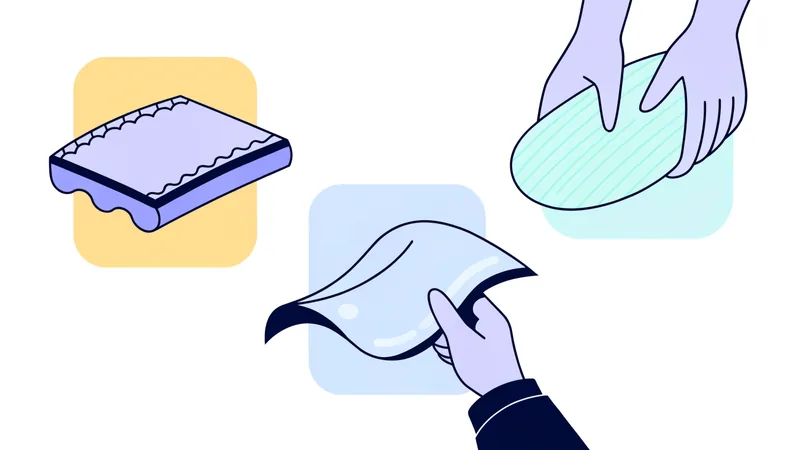
An X-Pac fabric is a technical laminate combining layers for particular performance goals; VX21 includes nylon, polyester reinforcement, film and a backing. Dyneema composites use different constructions. Compare the exact cloth and finished bag, rather than choosing by a familiar material name alone.
What an X-Pac fabric specification actually describes
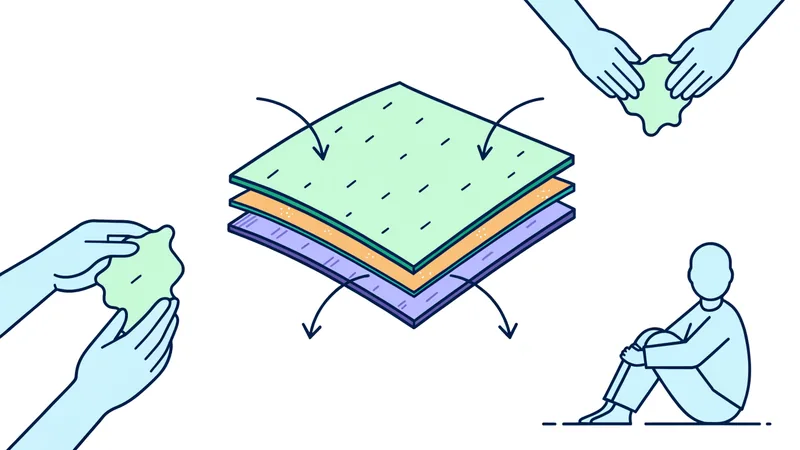
A laminate combines distinct layers. Dimension-Polyant explains that its X4 fabrics laminate film to woven textiles to provide waterproofness and structure.
The exact layer arrangement matters. A visible reinforcement pattern is only one part of that description, so read the full construction rather than identifying a cloth from its appearance.
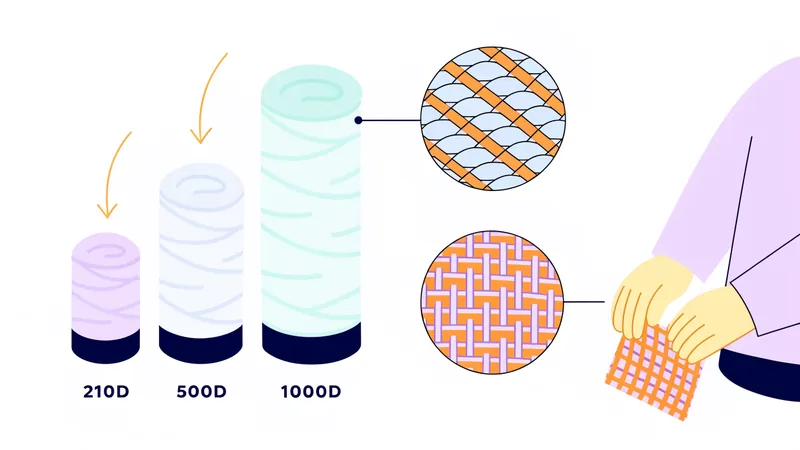
For VX21, the maker lists a nylon face, polyester film, diagonal X-PLY reinforcement and polyester taffeta backing. X21 uses a nylon face and X-PLY with a shiny film backing.
Those constructions give you concrete questions to ask. Which material code appears in the bag? Does it cover every panel or only the main body? What is used on the bottom and inside pockets?
Avoid turning a family name into a specification for an entire bag. Even closely related codes can identify different layer arrangements.
Use the bag materials guide to separate the main terms: fiber, woven fabric, coating and laminate. That distinction helps when comparing a technical laminate with an ordinary coated woven cloth.
Dyneema is a fiber name as well as part of composite names
The maker identifies Dyneema as a brand of ultra-high-molecular-weight polyethylene, or UHMWPE. The fiber and a finished fabric containing it are different things.
Its composites guide distinguishes several constructions, including film-based composites and hybrids. Read the specific construction before assuming two items carrying the same fiber name have identical outer surfaces.
For example, the CT3.5K.18 sheet describes fibers oriented at 0° and 90° between polyester films. Its listed applications include lightweight packs and backpacking stuff sacks.
A woven grid can incorporate a specialized reinforcing fiber without being that same film sandwich. Challenge's UltraGrid description combines a nylon base with a UHMWPE reinforcement grid and PU backing.
These examples explain construction choices; they are not recommendations for particular bags. Ask what is exposed on the outside, what provides the water barrier, and how the maker joins the panels.
For the woven reinforcement concept, read ripstop fabric explained. Keep that explanation separate from the properties of any particular film or coating.
Compare fabric weights without confusing them with bag weights

Area weight describes a piece of material, not the assembled bag. The published examples below illustrate differences between exact cloth specifications.
| Material example | Published construction detail | Area weight | US list-price tier |
|---|---|---|---|
| VX21 | 210D nylon face, reinforcement, film and taffeta | 6.2 oz/yd² | Not shown |
| X21 | 210D nylon face, reinforcement and film backing | 5.2 oz/yd² | Not shown |
| Dyneema CT3.5K.18 | Dyneema fibers between polyester films | 1.3 oz/yd² | Not shown |
These materials are not interchangeable merely because their area weights can be compared. Keep the construction and intended application beside each number.
Here is a hypothetical arithmetic example: two square yards of a 6.2 oz/yd² cloth weigh 12.4 ounces. That figure excludes straps, closures, padding and other components.
Use the finished empty weight to compare complete bags. For a laptop carrier, inspect the padding separately; for a travel pack, compare the harness and organization too.
A fabric weight can explain part of a design decision without telling you how the complete bag will carry or protect its contents.
Waterproof material does not settle the finished-bag question
Both VX21 and X21 have published waterproof material specifications. Treat those statements as properties of the listed fabrics.
For the assembled product, inspect the maker's explanation of seams, openings and closure. ORTLIEB distinguishes its raw material from the finished product's IP rating. It says the final result involves material, welding and closure together.
That gives you a useful way to compare bags without inventing a waterproofness verdict. If the listing describes only its panel material, request the finished product's intended exposure and limitations.
Consider your own scenario before comparing claims. A short walk in rain, a wet boat deck and immersion are different questions. Do not extend a statement about one situation to all three.
Also inspect the instructions for repair and care. Identify the laminate before choosing a patch, adhesive or cleaning method. Follow the bag maker's instructions for the complete item.
Our waterproof versus water-resistant guide covers the vocabulary. Keep the water-protection decision separate from whether you prefer a light, structured or flexible bag.
What it means when you shop: choose evidence for your use
Use X-Pac fabric as a starting category, then compare the exact code, panel locations, finished weight and care requirements. Add test results only when their methods and conditions are clear.
Do not assume every technical name means a laminate. CORDURA Classic is a nylon 6,6 fabric family offered with different finishing, coating and lamination options. The name needs a construction description alongside it.
For a commuter bag, prioritize the complete arrangement you need: compartments, access, padding and weather protection. For a lightweight organizer, start with dimensions and the material's intended application.
Three myths are worth setting aside. A shared face denier does not establish identical finished cloth. A strong reinforcing fiber does not describe every other layer. Waterproof cloth does not supply a complete bag rating.
Price needs the same discipline. The maker pages in the comparison table do not provide US list prices, so no price tier is assigned. Do not infer a bag's tier from its fabric name.
For another construction approach, compare TPU and PVC-coated bags. Choose a complete specification that matches your task rather than a label you recognize.
FAQ
Are X-Pac and Dyneema the same material?
No. X-Pac's X4 explanation describes laminated film and woven fabrics, while Dyneema's guide identifies its reinforcing fiber and several composite constructions. Compare exact material codes and layer descriptions. Neither family name establishes every property of the bag made from it.
Is VX21 heavier than X21?
The published cloth weights are 6.2 oz/yd² for VX21 and 5.2 oz/yd² for X21. That comparison concerns equal areas of those materials. It does not establish which complete bag weighs more, because panel quantities, padding, straps and hardware also belong in the finished-weight comparison.
Does a Dyneema bag have to be a film-based composite?
Do not assume the construction from the fiber name alone. The maker's guide distinguishes multiple Dyneema composite families. Request the actual material code and outer-layer description. Then compare the complete product's intended use, care requirements and construction rather than treating the name as a single specification.
Does waterproof fabric make a waterproof backpack?
A fabric statement alone does not answer that question. The finished-product distinction includes the material, joins and closure. Ask the bag maker what exposure the assembled backpack is designed to withstand. Read its instructions and limitations before relying on it to keep sensitive belongings dry.