Bag linings: why the inside matters

Bag lining material forms the inside surface or inner textile assembly; material suppliers also distinguish reinforcements that shape pockets and dividers. Compare the exposed fabric, its color and its care instructions, then inspect how it joins the rest of the bag.
Read bag lining material as a layered description
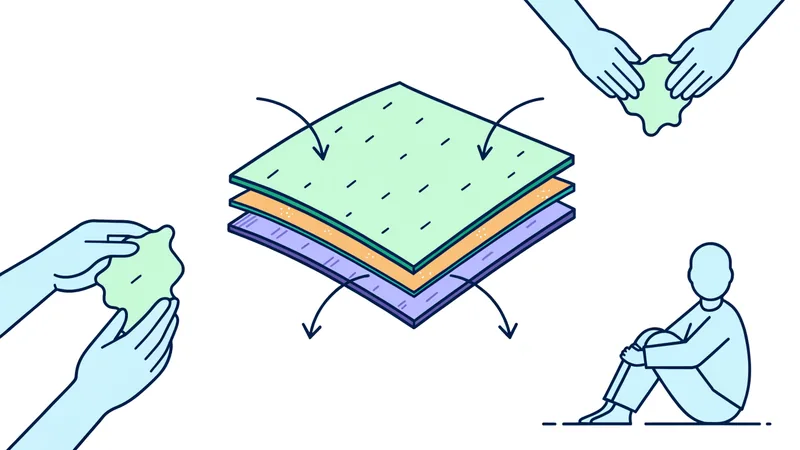
Start by separating three questions: what touches your belongings, what supports that surface, and what holds the assembly together. A short material label may answer only the first.
Freudenberg describes nonwoven and weft materials used to reinforce leather-goods dividers, pocket flaps and front pockets. A reinforcement description is therefore not automatically the composition of every visible interior panel.
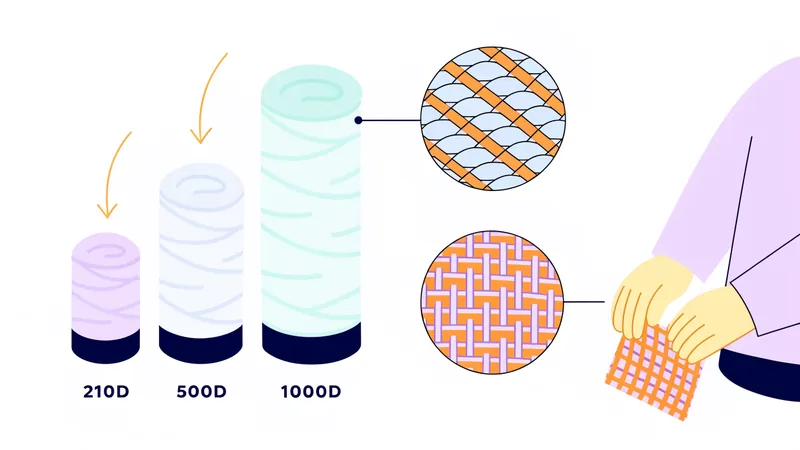
Specific fabric examples help decode the terminology. TOM BIHN's Halcyon lining combines nylon with a reinforcing grid. Bellroy separately identifies polyester in its lining description. Neither example establishes a universal winner.
| Listing term | Information it supplies | What to inspect next |
|---|---|---|
| Nylon or polyester | Fiber identity | Weave, finish and care instructions |
| Reinforced lining | Additional construction detail | Where reinforcement is actually present |
| Coated lining | A surface-treatment claim | Cleaning limits and condition |
| Internal reinforcement | A shaping component | Whether it is separate from the exposed textile |
Use the bag materials guide to place these terms beside the shell specification. When comparing listings, keep exterior, lining and reinforcement in separate entries. Do not transfer a shell's description to an unnamed interior.
Choose interior color for finding your own belongings
Interior color deserves attention before you count pockets. TOM BIHN's materials guidance favors light or bright linings for seeing bag contents. Use that as a starting point, then consider the objects you actually carry.
Make a short list: keys, wallet, charging cable, glasses case and any small pouch. Look at the inside photographs with those colors in mind. Judge the contrast rather than choosing a lining solely because it matches the exterior.
For a dark interior, consider assigning small essentials to a contrasting pouch. For a bright interior, review the cleaning instructions before making easy cleaning part of your decision. Color and washability belong in separate columns.
Also inspect the opening. Ask for a photograph showing the bottom and side pockets, rather than relying only on a close-up swatch. Compare the bag with its main compartment fully open.
Try a simple visibility exercise with your existing bag: place your usual small items where you normally keep them. Note which ones you search for repeatedly. Use those observations to define what you want from the next interior.
The bag organization guide helps turn that preference into a pocket layout. Choose a layout around your belongings rather than adding pockets to the wish list without a purpose.
Wipe-clean describes care, not a complete water barrier

Read the care label before choosing a cleaner or deciding to soak the interior. Treat wipe-clean as an instruction requiring detail: permitted solution, application method and drying procedure.
Maker instructions can distinguish different assemblies. Osprey describes mild soapy water, rinsing and ventilated drying, while excluding its wheeled chassis from immersion. It also advises against machine washing packs. Those instructions illustrate why the complete product matters.
For shopping, imagine your most likely spill and read the care directions from start to finish. Can you reach the compartment? Is the liner removable? Do the directions address the material around it? Record the answers instead of assuming a smooth-looking surface is washable.
ACT notes that unsuitable or excessive cleaning products can produce cracking or flaking in polyurethane-coated upholstery. That material warning supports caution; it does not supply a cleaning recipe for an unrelated bag.
Do not turn a lining description into a whole-bag waterproof claim. For that decision, request evidence covering the finished bag and its closures. Use waterproof versus water-resistant to frame the question.
For an existing backpack, follow its label first, then use the backpack cleaning guide for the practical sequence.
Where linings fail: separate cloth, seams and coatings
Inspect the interior as several connected parts. Look at pocket mouths, the bottom, corners and the area beside the zipper. Describe what you see before deciding what needs repair.
Coats emphasizes matching a seam's physical properties to the material being sewn. A gap beside stitching and a broken stitch are different observations. Photograph both sides when accessible, without pulling the damaged area wider.
Also distinguish damaged cloth from a failing surface layer. ACT explains that hydrolysis can cause polyurethane films to crack, flake or delaminate. Its guidance concerns coated upholstery; it does not establish the cause of every bag-lining problem.
For a repair inquiry, provide clear photographs and the bag's care label. Include the affected location, whether the underlying cloth remains intact, and any cleaning products previously applied. This gives the repairer a more useful starting point than calling every defect a torn lining.
Before agreeing to work, ask which components will be replaced and how the pocket layout will be restored. Do not assume a surface repair includes a new lining assembly.
The professional bag repair guide helps organize that discussion. Keep any proposed treatment tied to the actual construction and its present condition.
What it means when you shop: inspect the whole interior
Compare bag lining material alongside usable access, pocket construction and maintenance. A precise fiber name is helpful, but it should not end the inspection.
Create a repeatable review using the same belongings list for every candidate. Request inside photographs, identify the stated lining fiber, read the care directions, and inspect the visible seams. Record missing information as a question for the seller.
For a secondhand bag, request close-ups of damaged areas and the bottom of each accessible pocket. Ask whether any lining or coating has already been repaired. Evaluate the photographed condition rather than assuming the original specification describes its current state.
Two common shortcuts deserve rejecting. A dark interior is a color choice, not a care instruction. A soft-looking interior is a surface description, not documented impact protection.
Freudenberg's material range includes separate shaping reinforcements for leather goods. That is another reason to ask which layer a description concerns, especially when a listing uses lining and support interchangeably.
Finish your comparison by choosing the trade-offs you can live with. Prioritize access, clear material information and a maintenance method you can follow. Do not let a decorative lining name replace answers to those practical questions.

FAQ
Is nylon lining better than polyester lining?
A fiber name alone is not enough to rank complete linings. Bellroy identifies polyester among its lining materials. Compare the actual construction, care instructions and condition. Request the missing details before treating the material name as proof of longer service or easier cleaning.
Does a light lining mean the bag is easier to use?
Choose interior color as a visibility preference, then assess the opening and pocket placement against your own belongings. Look for photographs showing the bottom and side compartments. Decide which contrast you prefer, and read the care instructions separately rather than using color as your guide to maintenance.
Can I wash the lining without washing the whole bag?
Follow the model's care instructions and establish whether the lining is designed to detach. Osprey's guidance distinguishes immersion limits for wheeled travel packs from general pack cleaning. Do not pull out or soak an attached interior simply because a different bag has a removable liner.
Does peeling inside a bag mean the lining fabric has torn?
Peeling and a cloth tear need different descriptions. ACT explains that polyurethane surface films can crack, flake or separate. Inspect without scraping or stretching the area, and send photographs to the maker or repairer. Ask which layer is affected before choosing a treatment or replacement.