Foam and padding in bags

Bag padding foam is a cellular material used to cushion, support or shape parts of a bag. Flexible polyurethane foam cushions through compression and resilience. Compare construction and placement, then judge comfort and device protection as separate questions.
Start with the cell structure of bag padding foam
Open-cell and closed-cell describe the foam's internal structure, rather than the fabric covering it. TOM BIHN explains that open cells interconnect, while closed cells form separate enclosed bubbles.
Keep the polymer name beside that description. The Polyurethane Foam Association distinguishes flexible, rigid and spray polyurethane foams, including different cell structures and compression behavior. A reference to polyurethane alone leaves important details unanswered.
| Published description | What it identifies | What to request next |
|---|---|---|
| Flexible open-cell polyurethane | Polymer and cellular form | Firmness, thickness and intended function |
| Closed-cell polyethylene | Polymer and cellular form | Grade, density and coverage |
| EVA-containing foam | A named polymer component | Exact formulation or supplier grade |
| Padded panel | A construction feature | Whether foam is present and where |
This is a reading guide, rather than a ranking. Zotefoams offers closed-cell materials in different densities and grades, so even a fairly precise family name is not a complete specification.
Use the bag materials guide to keep foam separate from the shell and lining. Then identify the job assigned to each padded part before comparing material labels.
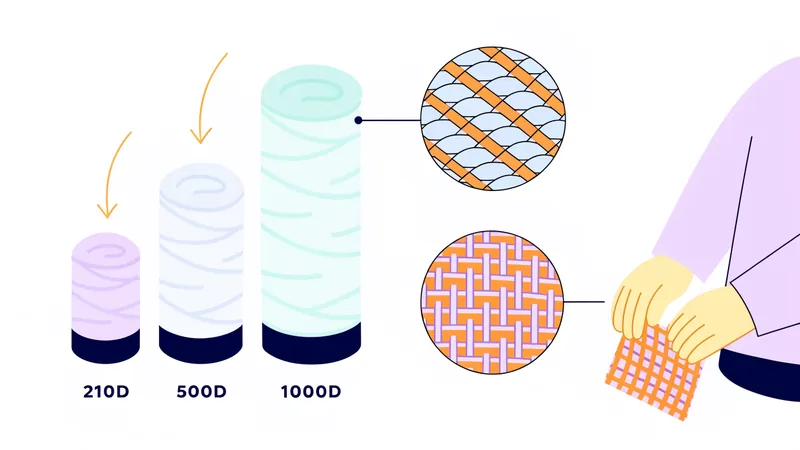
Thickness, density and firmness answer different questions
Thickness is a dimension. Density describes how much material occupies a given volume. The Polyurethane Foam Association expresses foam density in pounds per cubic foot or kilograms per cubic meter.
Firmness concerns the force needed to compress a specimen. The association explains that high-density foam can be soft, while low-density foam can be firm. Do not read high density as a complete description of feel.
Keep these properties separate on your comparison sheet. A thickness figure without location tells you little about coverage. A firmness result without its test method is difficult to compare with another result.
Consider a simplified design example with a fixed outside width. Adding 1/4 inch of padding to each opposing wall reduces the available width by 1/2 inch. That arithmetic illustrates space usage, not impact performance.
Also ask whether a published thickness describes the foam itself or the finished panel. Request the maker's measurement definition before comparing two numbers.
For flexible polyurethane, support factor describes behavior at different levels of compression. That additional measure helps explain why a quick squeeze is not a full technical assessment. Treat your comfort impression as a personal fit check, rather than a substitute for performance evidence.
What EVA means, and what it leaves unanswered
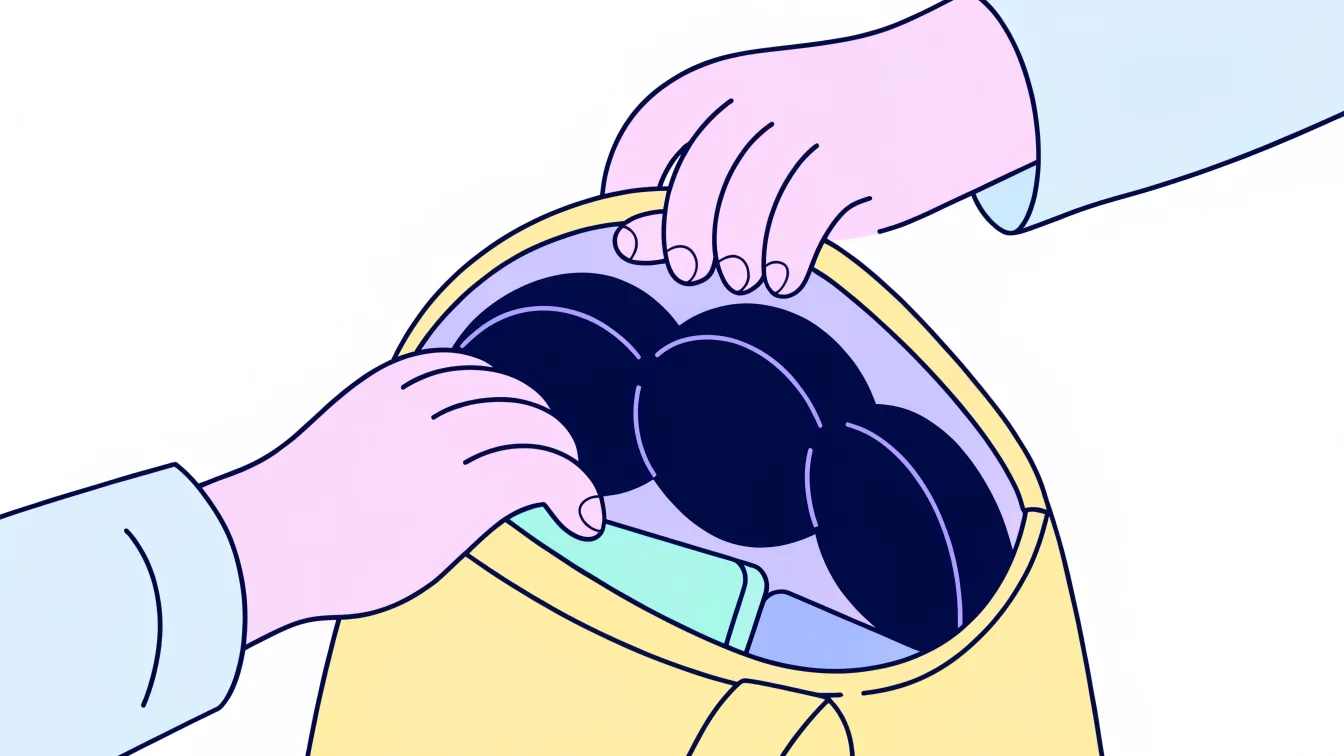
EVA stands for ethylene-vinyl acetate. Bag-material guidance describes adding EVA to cross-linked polyethylene foam to change its feel. The letters identify a material component, rather than a single universal padding recipe.
For a supplier example, Zotefoams identifies Evazote as closed-cell cross-linked ethylene copolymer foam available in multiple densities and grades. Its Evazote information also lists resilience and impact absorption among the material family's characteristics.
Keep those claims tied to the named material. They do not establish a drop height, load rating or service life for an unrelated backpack.
When a listing says molded EVA panel, locate the panel in photographs and request its purpose. Is the stated benefit shaping, wearer cushioning or contents protection? Those are different questions, even when the same material name appears.
Compare a molded panel with another construction only after identifying its position and coverage. Record the published grade or material detail when available. Avoid filling gaps with assumptions based on how sculpted or technical the panel looks.
If your concern is a device compartment, use laptop compartment protection to organize the questions about fit, coverage and documented performance.
Match padding placement to the problem you want solved
Begin with a location map: shoulder straps, handles, back panel, base, sides and device pocket. Mark the areas shown as padded in the product description. Leave the other areas as questions.
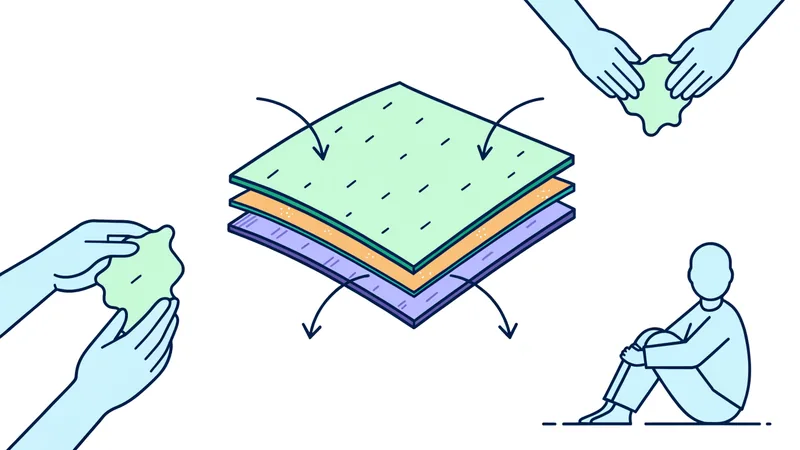
Bag-maker guidance distinguishes cushioning for the wearer, protection for belongings and foam that gives a bag rigidity. Use those three jobs to review the map. Do not award the same benefit to every foam panel.
For carrying comfort, assess the complete fit with your usual load during any permitted fitting. Notice where contact occurs and whether the straps adjust as needed. This is a personal assessment, not a medical claim or load recommendation.
For a laptop, request usable compartment dimensions and inspect the base, sides, corners and closure. Identify where padding ends. Ask for documented protection claims that apply to the finished carrier and the relevant device size.
For shape, decide whether you actually want the bag to hold a particular form. Flexible polyurethane can be cut and shaped from slabstock or made in molds. Manufacturing form alone does not answer whether that shape suits your packing.
Use measuring a laptop for a bag before judging a compartment from its advertised screen-size category.
What it means when you shop: evidence before padding myths
Read bag padding foam as a combination of material, location and intended function. Ask the same questions for each candidate rather than treating extra padding as an automatic upgrade.
For a published protection claim, record the finished product tested, the procedure and the result. Check whether the claim concerns the complete carrier or only a foam specimen. Avoid turning a material characteristic into a promise about your device.
Three common shortcuts deserve closer attention. Density is not another word for firmness, as foam-industry guidance explains. A thick-looking panel also needs a stated location and purpose. Finally, closed-cell construction should not replace evidence about the finished bag's water protection.
Zotefoams publishes multiple closed-cell material families and grades. Ask which one is specified instead of assuming that all closed-cell sheets behave alike.
For a secondhand bag, request close-ups of the padded areas and ask about any replaced inserts. Describe uneven shape or damage without diagnosing an unseen material.
Finish by comparing the complete bag's published dimensions and empty weight. Choose the combination of access, fit and documented protection that addresses your needs, rather than counting padded panels.

FAQ
Is closed-cell foam always better for a bag?
No single cell description answers every design question. Zotefoams lists closed-cell materials across several polymer families, densities and grades. Identify the specific foam and its intended job. Compare the complete assembly for your use rather than selecting a bag by cell structure alone.
Does thicker foam guarantee better laptop protection?
Thickness alone is not a protection result. Flexible foam can be formulated for different cushioning and support characteristics. Request usable compartment dimensions, coverage details and any impact evidence for the finished carrier. Keep the device's fit and the bag's closure in the same assessment.
Is all polyurethane foam the same?
No. The Polyurethane Foam Association distinguishes flexible, rigid and spray foams with different properties and applications. For bag padding, look for the actual flexible material description and its function. Do not transfer characteristics from an unrelated building-insulation product to a device sleeve or shoulder strap.
Can EVA padding alone establish a drop-protection rating?
No material name supplies a finished-product rating. Zotefoams describes impact absorption as a characteristic of its Evazote material family. A useful bag claim should identify the tested carrier and relevant procedure. Request that evidence rather than inferring a safe drop height from the foam label.